Last updated November 17, 2026








Free written scope consultation - allowances, timeline, and change-order rules on paper before a single trade is scheduled
Kitchen Remodeling Warning Signs Every Homeowner Should Know
The most common complaint filed with the Nevada State Contractors Board isn’t shoddy work. It’s contractors who took a deposit and disappeared. The homeowners who filed those complaints had one thing in common: the warning signs were already there at the bid stage, in a price that came in suspiciously low and a contractor who was suspiciously eager to start tomorrow. We’ve watched this play out across Summerlin more times than we’d like. This guide walks through the red flags that matter most, where they hide in a bid, what a license lookup actually reveals, and how to read a warranty, a payment schedule, and a lien waiver before you sign anything.
Quick Answer
The biggest kitchen remodeling warning signs are a bid that’s far below the others, a payment schedule tied to vague “phases” instead of inspectable milestones, no written warranty, and a contractor who resists you pulling their license number. These red flags show up before the contract is signed, which is exactly when you still have leverage. A legitimate contractor gives you a written price, a documented scope, and a guarantee in writing, and won’t flinch when you check the license.
Styles & brands we work with
- Kitchen remodeling
- Bathroom remodeling
- Home additions & ADU
- Roofing
- Windows & doors
- Driveway & pavers
- Fence
Table of Contents
- What a Nevada contractor license lookup actually reveals
- The low-ball bid and the change-order trap
- Why vague payment schedules get homeowners in trouble
- Written warranty versus a verbal promise
- Lien waivers: the language that protects you
- Summerlin-specific red flags
- How to read a scope of work line by line
- Common mistakes to avoid
What a Nevada contractor license lookup actually reveals
Every licensed contractor in Nevada carries a license number you can look up for free on the Nevada State Contractors Board website. Most homeowners never do it. In our experience, that single search would have stopped the majority of the disasters we get called to fix in Summerlin after the fact.
The lookup returns four things that matter, and each one tells you something the contractor’s sales pitch won’t:
- License status and classification. Is the license active, expired, suspended, or revoked? A residential remodeling license covers what you’re hiring for. A license classified for something else doesn’t.
- Bond amount. Nevada requires contractors to carry a surety bond, and the amount is listed. That bond is a small recovery pool if the contractor walks. It is not a guarantee you’ll be made whole, but it tells you whether the contractor is even carrying what the state requires.
- Insurance status. The board record shows whether the contractor’s general liability and workers’ comp are current. A lapsed workers’ comp policy means an injured worker on your kitchen floor becomes a problem with your homeowner’s insurance.
- Complaint history. The board logs complaints and their dispositions, including disciplinary actions. A pattern of unresolved complaints is the clearest possible signal.
Homeowners rarely check because a convincing contractor at the kitchen table feels like enough. It isn’t. Take ten minutes, run the number, and read the record. If a contractor won’t hand over the license number without a fuss, that reaction is itself an answer. Bradford Remodeling operates as a licensed contractor and expects every homeowner to verify it, the same way we expect to be judged on our Bradford Remodeling Co Summerlin home page rather than a brochure.
The low-ball bid and the change-order trap
The low-ball bid is the most effective trap in remodeling because it’s engineered to win the comparison. A bid that comes in 20% to 30% below the other two isn’t a better deal. It’s an incomplete scope of work dressed up as a full one. The contractor knows exactly what’s missing and plans to add it back after demolition, when you’re committed and the kitchen is torn apart.
Here’s how the tactic runs in practice. The bid excludes cabinet removal, drywall repair, electrical rough-in for new lighting, plumbing relocation for a moved sink, or the cost of a permit. None of those exclusions are clearly stated. When demo exposes the missing line items, the contractor issues a change order, and you approve it because the alternative is living in a gutted kitchen. We’ve seen change orders add $8,000 to $14,000 to a Summerlin kitchen remodel that started at a number the homeowner was proud of.
The defense is a written scope of work that answers these questions before you sign:
- Does the price include demolition and haul-away of the old cabinets, counters, and flooring?
- Is the electrical work specified, including new circuits, outlets, and lighting rough-in?
- Is plumbing relocation included, or only fixtures swapped in existing locations?
- Are permits, inspections, and the final inspection included in the price?
- Is there a stated procedure and approval process for change orders, in writing?
- Is the allowance for tile, counters, and fixtures specified in dollars, so you can see when selections exceed it?
A contractor who bids honestly puts all of this in the document and gives you a written price before work starts. That last part is non-negotiable with us, and it’s why our Kitchen Remodeling in Sandy Valley page states the price commitment up front. The same discipline applies to every kitchen remodel we take on, whether it’s a Summerlin galley or a full open-concept rebuild.
Why vague payment schedules get homeowners in trouble
A payment schedule tied to “Phase 1,” “Phase 2,” and “Phase 3” tells you nothing you can verify. Phases are whatever the contractor says they are. What you want is a schedule tied to specific, inspectable milestones, where each payment is released only after you can walk the kitchen and see the work done.
A payment structure that protects the homeowner looks like this:
- A modest deposit to secure materials and schedule the job. In Nevada, be cautious about any deposit approaching half the contract value before a single cabinet is delivered.
- Payment on delivery and rough-in after cabinets arrive and electrical and plumbing rough-in pass inspection.
- Payment on cabinet and counter installation once the major components are physically in your kitchen.
- A final payment held until punch-list items are complete and the final inspection passes.
Watch for three payment red flags: a large deposit demanded in cash before any materials are ordered, pressure to pay ahead of the work (“the crew needs the next draw to show up Monday”), and no holdback at all. A holdback of 5% to 10% until the job is finished gives you the leverage to get punch-list items corrected. A contractor confident in the work doesn’t resist a holdback. One who does is telling you something. Our General Contractor in Sandy Valley page lays out the same payment-structure thinking for anyone comparing bids across the valley.
Written warranty versus a verbal promise
A verbal warranty is worth exactly what’s written down, which is nothing. When a contractor says “if anything goes wrong, just call me,” that sentence has no term, no coverage list, no exclusions, and no way to enforce it. Six months later, when a cabinet door sags off its hinge or a tile comes loose from the backsplash, a verbal promise is a phone call nobody answers.
A written warranty states, on paper, at least these five things:
- The guarantee period, in days or months, with a clear start date tied to substantial completion.
- What’s covered, in specific terms, such as labor and installation defects.
- What’s excluded, which is usually product failure covered separately by the manufacturer’s warranty, plus damage from misuse or water intrusion.
- The response process, including who to call, what number to call, and how soon you can expect a return visit.
- Whether the return visit is free within the guarantee period, and whether the warranty transfers if you sell the house.
The distinction matters because kitchen failures tend to surface months after the crew has moved on: a slow leak under the sink, a dishwasher that won’t sit flush, a seam in the counter that opens in the heat. Our 365-Day Done Right Promise is a full-year written guarantee, and if the work fails inside that window, we come back and correct it at no charge. That’s the standard every homeowner should demand: a written, dated, specific guarantee in hand at job close, not a handshake.
Lien waivers: the language that protects you
Here’s the scenario most homeowners don’t see coming. You pay the general contractor in full. The contractor doesn’t pay the electrical subcontractor. The subcontractor files a mechanic’s lien against your home, and you’re on the hook for work you already paid for. This is legal in Nevada, and it happens more than you’d think, including on higher-end Summerlin remodels where multiple trades are on the job.
Lien protection lives in the contract’s lien waiver clause, and the language matters. Look for a clause that requires the contractor to provide a conditional lien waiver from every subcontractor and supplier after each payment, which becomes unconditional once the payment actually clears. Before the final payment releases, require final unconditional lien waivers from every sub and supplier on the job.
Language that should worry you includes a clause that says the contractor “will make every effort to ensure subcontractors are paid,” “is not responsible for subcontractor claims,” or guarantees lien-free work “pursuant to state law” with no documentation requirement. That’s fluff. The clause should require actual waiver documents, delivered to you, tied to each payment. In our experience, contractors who handle their subcontractor payments correctly don’t hesitate to hand over waivers. Those who push back are often the ones with a cash-flow problem you don’t want to inherit. This is also why the schedule and documentation discipline on any Bathroom Remodeling in Sandy Valley project we handle flows through the same paperwork, regardless of the room.
Summerlin-specific red flags
Summerlin kitchens carry a few local quirks worth flagging in any bid conversation. Homes in the older parts of Summerlin, particularly around The Trails and the original neighborhoods, often have plumbing and electrical that predates current code. A bid that doesn’t open the walls or account for bringing those systems current is a bid that will grow after demo.
Our climate matters too. The desert heat drives significant thermal movement on countertops and cabinetry, and we’ve seen more seam and joint failures here than you’d see in a milder market. A contractor who doesn’t account for expansion joints and proper material acclimation is setting up a callback they won’t honor. Summerlin homes also frequently sit under HOA architectural review. A bid that doesn’t mention HOA approval for exterior-facing changes, like a window or vent change, is missing a step that can stall your project for weeks.
Finally, watch for the door count. A contractor who shows up unannounced, doesn’t identify themselves, and won’t put a price in writing should not get a second visit. Your home is the site, and you deserve to know who’s walking through it before the crew arrives. We run background-checked, uniformed technicians on every job and answer the phone with a live person, not a voicemail queue. That’s not a selling point so much as a baseline every Summerlin homeowner should be able to count on.
How to read a scope of work line by line
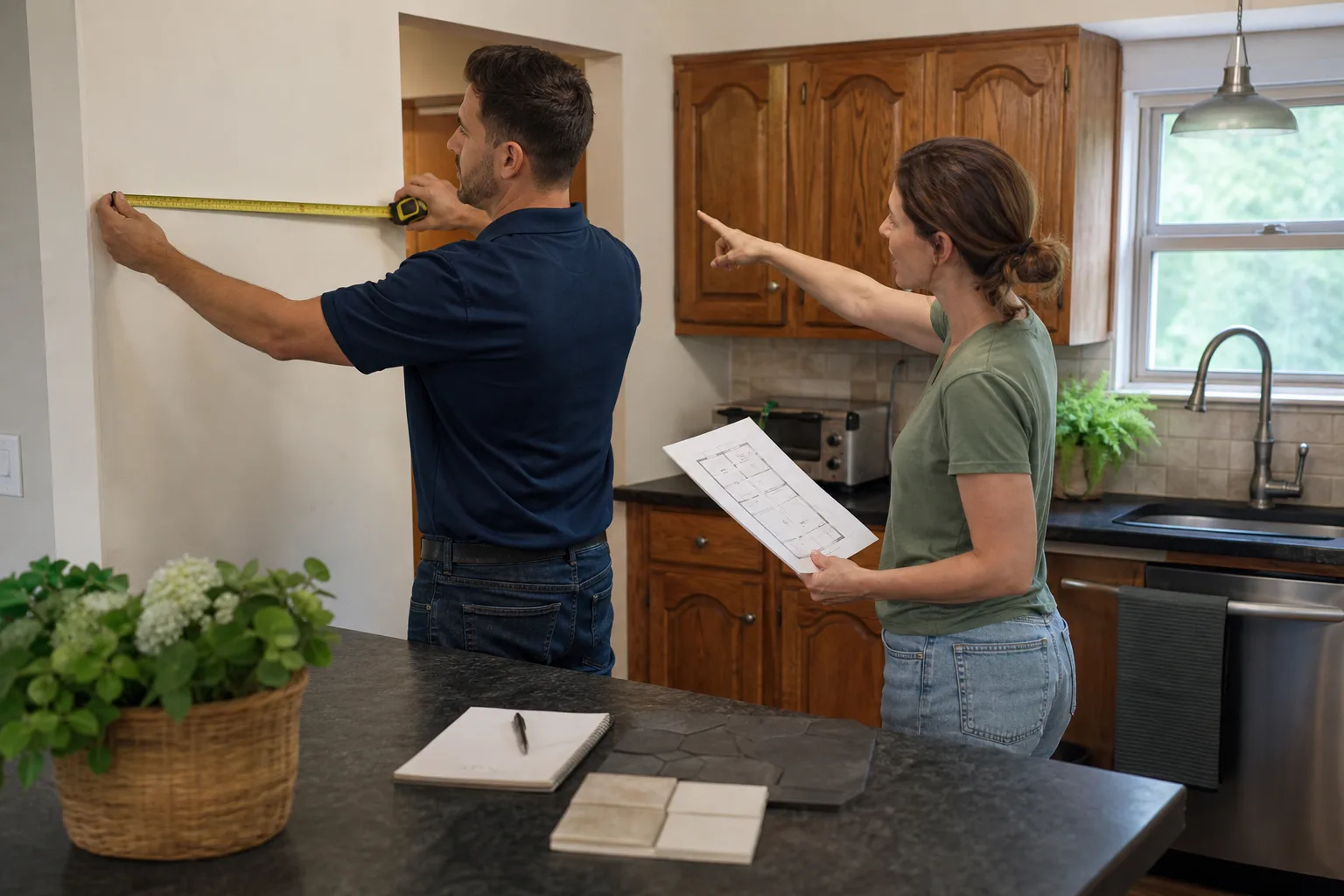
A scope of work is the document that decides whether your remodel runs clean or turns into a change-order fight. It should be written so precisely that two different contractors reading it would build the same kitchen. When you sit down with a bid, walk it line by line and check for these:
- Exact measurements and quantities. “New cabinets” is not a line item. “KraftMaid maple cabinets, 24 linear feet, upper and lower, delivered and installed” is.
- Named products and specs. The brand and model should be written down, not implied. Documented brands with manufacturer specs leave nothing to guesswork.
- Labor broken out. Demolition, framing, drywall, electrical, plumbing, tile, finish carpentry, and painting should each appear.
- Permits and inspections listed. Who pulls them, who pays for them, and which inspections are expected.
- A punch-list procedure. How disputes get resolved and who signs off on completion.
- A start date and a completion timeline, in writing, with a process for handling delays.
If a bid can’t survive this read, the price isn’t the problem. The bid is. A contractor who gives you a written price before work starts and puts the scope in the same document is giving you the one thing that makes everything else enforceable.
Common Mistakes to Avoid
- Choosing the lowest bid without reading the scope. The cheapest price usually hides the most exclusions, and you’ll pay for them after demo. Compare scopes line by line, not totals.
- Skipping the license lookup. A ten-minute check on the Nevada State Contractors Board site would prevent most of the deposit-and-disappear cases we hear about.
- Paying a large cash deposit before materials are ordered. Pay against inspectable milestones, not vague phases, and keep a holdback until the punch list is closed.
- Accepting a verbal warranty. Get the guarantee period, coverage, exclusions, and free return-visit terms in writing, dated at completion.
- Ignoring the lien waiver clause. Without conditional and final lien waivers from subs and suppliers, you can be on the hook twice for the same work.
- Not accounting for Summerlin’s older plumbing and electrical. In established Summerlin neighborhoods, a bid that skips systems updates is a bid that will grow.
- Letting an HOA review stall the job. Confirm who handles HOA approval for any exterior change, and get it in the schedule before work starts.
See the difference
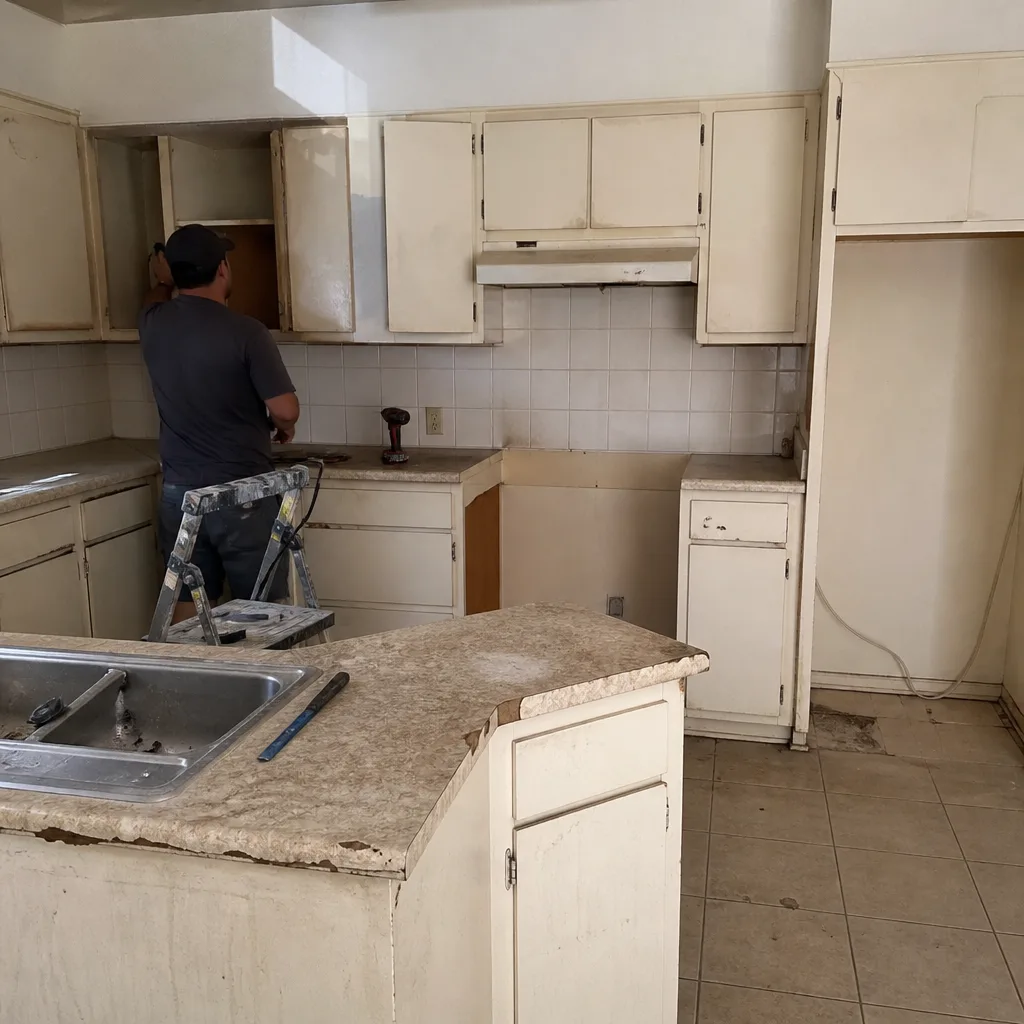 Before
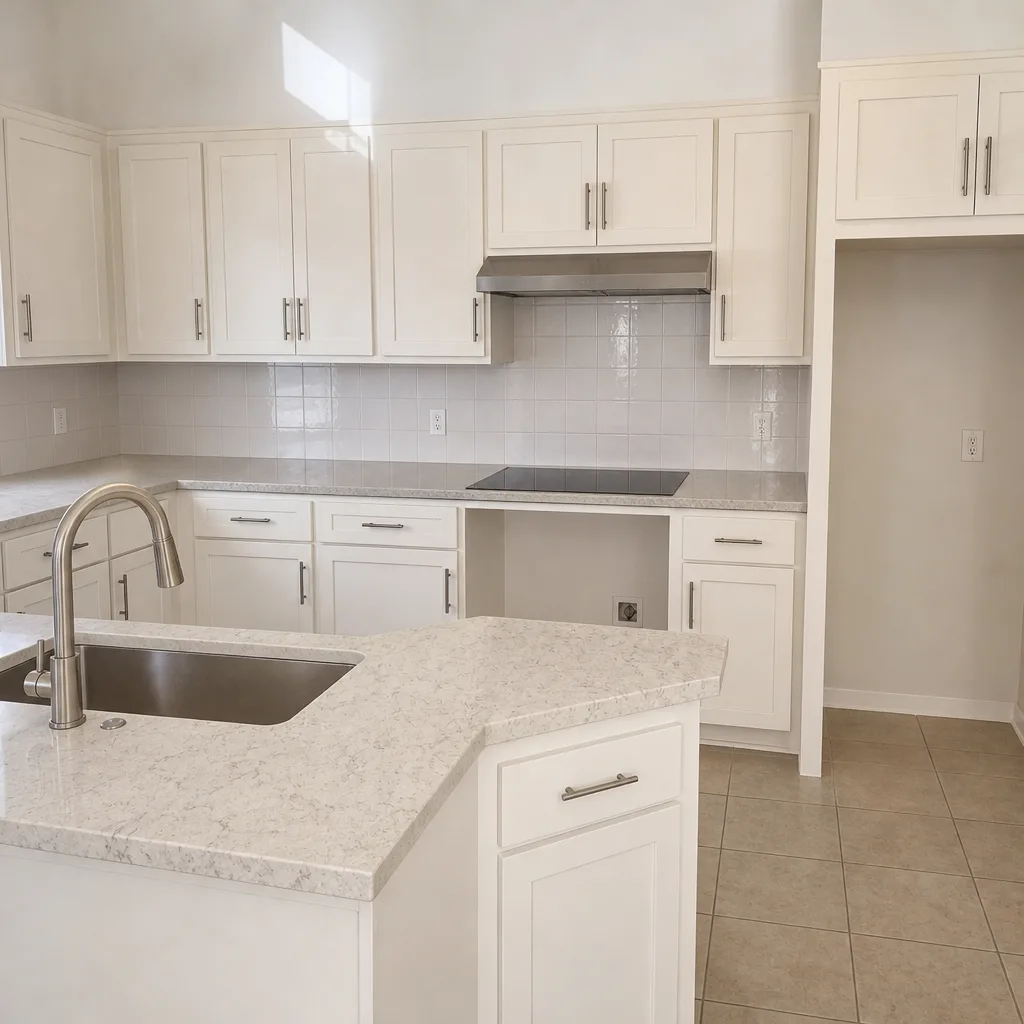 After
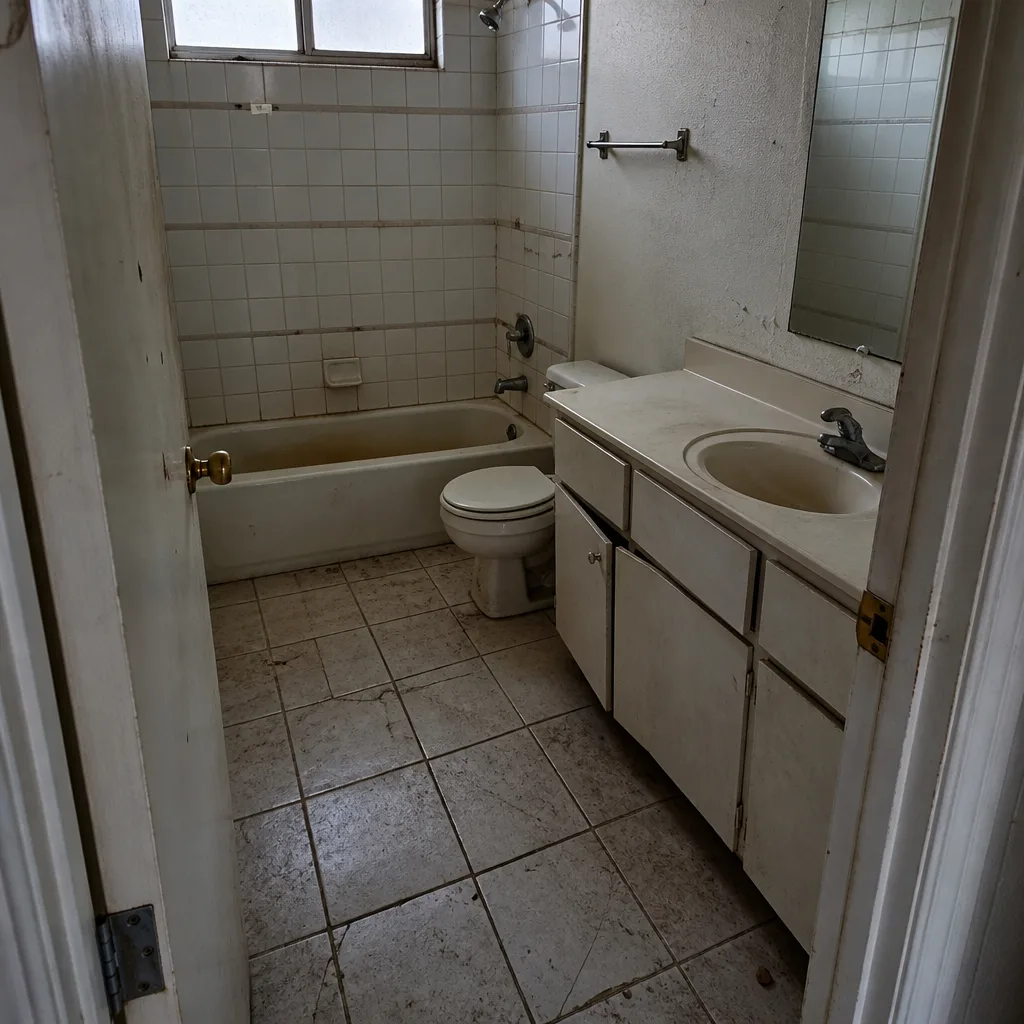 Before
 After
 Before
 After
When to Call a Professional
If you’ve spotted two or more of the warning signs above in a bid you’re considering, stop and get a second opinion before any money changes hands. Call a professional immediately if a contractor asks for a large cash deposit up front, won’t provide a written price, won’t show a license number, or hands you a one-page contract with no scope and no warranty. In our experience, the time to call is before the contract is signed, not after the kitchen is gutted. A professional will give you a written scope of work, a written payment schedule, a written guarantee, and a lien waiver clause that protects you. Bradford Remodeling Co Summerlin offers free estimates in Summerlin, and a live person answers the phone whenever you call. If you’re comparing bids and something doesn’t feel right, that feeling is usually correct.
Frequently Asked Questions

Kitchen remodels in Summerlin typically run from around $30,000 for a cosmetic refresh to $100,000 or more for a full rebuild with layout changes. The biggest cost drivers are whether plumbing and electrical move, cabinet and counter selections, and whether permits and systems updates are included. Call (844) 588-0072 for an exact, written quote based on your kitchen – estimates are free.
It shouldn’t if the bid was complete. A legitimate contractor gives you a written price before work starts, and any change comes through a written change order you approve. If a contractor tells you the price will “probably move a little,” that’s a warning sign. Call (844) 588-0072 to get a fixed written price before you commit.
Yes. Permits and inspections are part of the scope on every job that requires them, and they appear as a line item in the written price. A bid that doesn’t mention permits is a bid that will either stall at inspection or grow after demo. Call (844) 588-0072 to ask what permits your project needs.
A kitchen remodel typically takes six to twelve weeks depending on scope, cabinet lead times, and whether walls are moving. The written contract should state a start date and a completion timeline with a process for delays. Call (844) 588-0072 for a schedule tied to your specific scope.
A written warranty should state the guarantee period, what’s covered (usually labor and installation defects), what’s excluded (typically product failure covered by the manufacturer), the response process, and whether the return visit is free. Our 365-Day Done Right Promise is a full-year written guarantee – if the work fails inside that window, we come back and fix it at no charge. Call (844) 588-0072 to see the guarantee in writing.
Yes, in Nevada a subcontractor who wasn’t paid can file a mechanic’s lien against your property even if you paid the general contractor. That’s why the contract needs a lien waiver clause requiring conditional waivers after each payment and final unconditional waivers before the last payment releases. Call (844) 588-0072 to ask how lien waivers are handled on your project.
The Bottom Line
The warning signs that matter most in a kitchen remodel show up before the contract is signed: a price that’s too low, a payment schedule that can’t be verified, a warranty that only exists verbally, and a contractor who resists a license check. The defense is paperwork. Ask for a written scope of work, a written payment schedule tied to inspectable milestones, a written guarantee with a stated period and a free return-visit term, and a lien waiver clause that requires documentation from every subcontractor. In Summerlin, add a check on older plumbing and electrical and confirm who handles HOA review. A contractor who gives you all of this in writing before work starts is a contractor you can trust. One who doesn’t is telling you something before you’ve spent a dime.
Bradford Remodeling Co Summerlin gives every homeowner a written price before work starts, a written scope, and our 365-Day Done Right Promise on every completed project. If you’re comparing kitchen bids and want a straight number, call (844) 588-0072 for a free estimate.
Written by the team at Bradford Remodeling Co Summerlin.