Last updated November 17, 2026







Free written scope consultation - allowances, timeline, and change-order rules on paper before a single trade is scheduled
General Contractor Warning Signs Every Homeowner Should Know
The most dangerous general contractor isn’t the one who asks for half the money upfront. It’s the one who hands you a one-page bid with no line items. That document feels clean and simple, and that’s the problem. If the work goes sideways, a lump-sum bid gives you almost nothing to point at. No scope, no allowances, no exclusions, no leverage. The real warning signs don’t show up as missing paperwork you can spot from across the table. They live in the language of the first conversation and the structure of the bid document, long before money changes hands. This guide walks through the tells that actually predict trouble, so you can read a contractor the way a good crew chief reads a job site. We work in Summerlin, and we’ve sat across from plenty of homeowners who learned this the hard way.
Quick Answer
The biggest red flags when hiring a general contractor are a vague lump-sum bid with no line items, a payment schedule tied to calendar dates instead of verified milestones, contract language that shifts cost risk onto you (“unforeseen conditions,” open-ended allowances), and a GC who can start tomorrow in a market where good subs are booked weeks out. A contractor who can’t or won’t put scope, allowances, and exclusions in writing is telling you exactly how the job will go.
Styles & brands we work with
- Kitchen remodeling
- Bathroom remodeling
- Home additions & ADU
- Roofing
- Windows & doors
- Driveway & pavers
- Fence
Table of Contents
- What a legitimate bid document actually contains
- Verifying a Nevada contractor license the right way
- Why “we can start Monday” is a warning sign
- Contract language that shifts cost risk to you
- The payment schedule that protects you
- Behavioral tells in the first conversation
- Summerlin-specific signs to watch for
- How to screen a contractor before you sign
What a legitimate bid document actually contains
Here’s the plain-English answer: a real bid breaks the job into divisions of work, labels every allowance, and lists exclusions by name. A lump-sum bid with one bottom-line number does none of that, and the absence is the tell. When you hire a Summerlin general contractor for a whole-home or kitchen project, the bid is your operating document. If it’s one page, you have nothing to hold anyone to.
What a by-the-book bid looks like:
- Scope by division. Line items grouped by trade division (demolition, framing, electrical, plumbing, finishes) the way trade contractors actually schedule them. This shows the GC understands the sequence, not just the total.
- Allowances labeled and explained. If the budget includes an allowance for tile, countertops, or fixtures, it’s a placeholder dollar amount. A serious document tells you the allowance figure and what happens when your selections come in over or under it.
- Exclusions listed explicitly. What the price does not cover – permits, engineering, mold remediation, structural repair found behind a wall – belongs in writing. Exclusions are not a weakness; hiding them is.
- Brands and specifications. When a remodel specifies materials, they should be named with manufacturer specs behind them. We work from a documented roster that includes GAF and James Hardie exterior products, Therma-Tru doors, and Belgard hardscaping, among others, so specifications are traceable rather than left to guesswork.
A bid with these pieces lets a homeowner compare apples to apples. A lump-sum bid hides the difference between a thin job and a thorough one inside a single number. If a Summerlin bid says only “$84,000, complete kitchen,” ask what’s inside it. If the answer gets slippery, you’ve found your first warning sign.
Verifying a Nevada contractor license the right way
“They have a license number” is not verification. Nevada requires contractors to be licensed through the Nevada State Contractors Board, and the board’s public database lets you do more than confirm a number exists. Use it. Here’s the sequence that goes past the surface:
- Search the license number AND the company name separately. Mismatches happen – a number that belongs to a different entity is a sign the business isn’t operating under the license it’s showing you.
- Check the license classification. Nevada licenses are classified by scope. A residential remodeling project needs the right classification to do that work lawfully. A license that covers one trade doesn’t automatically cover a whole-home remodel.
- Confirm the status is current. A license can be active, expired, suspended, or revoked. A number on a business card tells you nothing if the status isn’t current.
- Look for complaints and disciplinary history. The board publishes actions. One old complaint may mean nothing; a pattern of them is the signal.
- Verify the bond and insurance are in force. Licensing and bonding work together. Ask for a certificate of insurance and confirm it’s current – don’t accept a photo of an old certificate.
Doing this takes about ten minutes. It’s the highest-return ten minutes you’ll spend before signing anything in Summerlin. If a contractor resists or rushes you when you mention checking the board, that reaction is the answer. When you’re ready to compare a properly documented proposal, you can see how we run a General Contractor in Sandy Valley project – the same paperwork discipline applies.
Why “we can start Monday” is a warning sign
In the Summerlin and greater Las Vegas market, good subcontractors book weeks out. Electricians, plumbers, tile setters, cabinet installers – the crews that show up, do clean work, and pass inspection are scheduled ahead. A general contractor who says “we can start Monday, no problem” is telling you something about their calendar, and it isn’t good. Either they have no real work lined up, or they’re planning to use subs who aren’t busy for a reason.
Think about what “start” means. A disciplined GC sequence looks like this: permits pulled, materials ordered with lead times confirmed, subs confirmed against real dates, then mobilization. If a company can skip all that and be hammering on Monday, they’re skipping the steps that protect you.
- Healthy calendar: “Our next realistic start for a Summerlin kitchen is four to six weeks out. Here’s what happens between now and then.”
- Warning sign: Vague promises about “getting going right away” with no mention of permits, material lead times, or sub availability.
- Bigger warning sign: Pressure to sign today to “hold a slot.” Real scheduling doesn’t need panic tactics.
Cabinetry and surfaces alone can carry real lead times, which is why a documented brand roster matters for staging. When you specify KraftMaid or Wellborn cabinetry, Cambria or Silestone surfaces, that schedule gets real. In our experience, a GC who respects lead times is a GC who respects your project. A Summerlin homeowner should hear specific dates, not enthusiasm.
Contract language that shifts cost risk to you
The contract is where cost risk gets allocated. Read for these phrases, because each one moves risk from the contractor’s side of the table to yours. They’re not always sinister, but they always deserve a question.
- “Unforeseen conditions.” A boilerplate line that can let the contractor bill for surprises found behind walls. Some surprises are genuinely unforeseeable – but the clause should say what happens next: written change order, documented cost, your approval before work continues. Open-ended is the problem.
- “Owner-supplied materials.” Sounds like you’re saving money. It also means the contractor warrants almost nothing about material quality, warranty coverage, or fit. If you supply tile that arrives cracked or short, the labor to deal with it may land on you. Only supply materials when the contract spells out who handles defects and shortfalls.
- Open-ended allowance language. “Allowance for tile, to be determined” with no figure and no adjustment rule is a blank check. Ask for the allowance number and the exact rule for overages in writing.
- Ambiguous change-order terms. Every change should require your written approval before it’s performed, with a documented price. Verbal “we’ll settle up later” is how surprise invoices get born.
Any single phrase can be fine if it’s paired with a clear process. What you’re screening for is language that gives the contractor discretion over cost without your sign-off. Insist on written change orders with a dollar figure before any extra work begins. That one rule eliminates most of the arguments that sour a remodel.
The payment schedule that protects you
Structure your payment schedule around verified milestones, not calendar dates. That single principle does more to protect a homeowner than any other contract term. A schedule tied to dates pays the contractor whether or not the work is done. A schedule tied to milestones pays when something real is finished and you’ve seen it.
What a homeowner-friendly schedule looks like:
- A modest deposit to secure materials and scheduling. Large upfront percentages – half the job before anything is delivered – leave you exposed if the job stalls.
- Payment on verified milestones: rough-in complete and inspected, drywall finished, cabinets set, surfaces installed. Each payment follows a milestone you can see.
- A meaningful final payment held until close-out: punch list signed off, site clean, and your written guarantee in hand. That’s what “squared away” looks like at the end of a job.
- Written change orders that adjust the schedule only with your signed approval.
Can you insist on this without ending the negotiation? Yes, if you frame it right. Say it plainly: “We pay on verified milestones, not dates, and we hold the final payment until close-out.” A contractor with a disciplined operation will say “that’s exactly how we work” and put it in writing. That’s the response you’re looking for. A contractor who pushes back hard on milestone payments is telling you they need your money to fund their operation – and that’s a risk you don’t want on your Summerlin home. If you’d rather see what written pricing looks like up front first, read through a Kitchen Remodeling in Sandy Valley project page for the pattern.
Behavioral tells in the first conversation
Before the bid, the conversation. The way a contractor handles the first call, the first walkthrough, and the first question tells you how they’ll handle the job. Watch for these:
- Do they answer the phone? A live person answering matters, especially before a job starts when scheduling questions come up. Voicemail-only, or a “we’ll call you back” that never comes, sets the pattern for the whole relationship.
- Do they ask about the house? A serious GC wants to know the age of the home, what’s been done before, and what’s behind the walls. A salesperson leads with a pitch.
- Do they volunteer what the price won’t include? Confident contractors name their exclusions early. It’s a sign the document is solid.
- Do they talk about subcontractors? The honest answer involves background-checked, uniformed technicians and known subs, so you know who’s coming through your door.
- Do they talk about a guarantee? Ask what happens if something fails after the job. A real answer has a duration and specifics. Our 365-Day Done Right Promise puts that in writing: if the work doesn’t hold within a full year, we come back and correct it at no charge.
None of this requires a license number or a database. It requires listening for which questions get answered straight and which get deflected. The Summerlin homeowner who trusts their read from the first conversation is usually right.
Summerlin-specific signs to watch for
Summerlin sits on the western edge of the valley against the Spring Mountains, and that geography matters for remodels. Homes here see intense sun, dry air, and temperature swings that work on exterior materials. A GC who’s never discussed your stucco, your roof, and your sun exposure before quoting interior work is skipping a real planning step. It’s the same story across the valley – our Bradford Remodeling Co Summerlin home page covers how the same considerations apply across different neighborhoods.
What a local-fluent GC asks about in Summerlin:
- Sun exposure and exterior surfaces. Which exterior products the job touches, and how surfaces like James Hardie siding, GAF roofing, and Belgard or Unilock hardscaping are paid for and installed with material specifications attached.
- HOA and architectural review. Many Summerlin communities have architectural review requirements before exterior changes go in. A GC who knows to check with the HOA before ordering materials is a GC who’s done this here.
- Permits and inspections. Permitted work and passed inspections should be part of the conversation, not something you have to raise. Ask directly: “Do you pull the permits?” A clear yes, with the process described, is what you want.
- Cabinetry and surface lead times. Local supply chains and brand availability vary. A GC who names documented brands – KraftMaid, Wellborn, Cambria, Caesarstone – can tell you lead times for the region, not guesses.
Local fluency isn’t a marketing line. It’s whether the contractor knows Summerlin’s geography, HOA practices, and material behavior in desert heat. If they don’t, they’re learning on your project.
How to screen a contractor before you sign
Put the signals into a process. Screening a GC is mostly asking the right questions and holding the line on documents. Run this checklist before any money moves:
- Verify license status, classification, bond, and insurance on the Nevada State Contractors Board database – not just the number.
- Request the bid in writing with divisions, labeled allowances, and named exclusions. If it’s a lump-sum phone quote, ask for the document or walk.
- Ask what the price excludes and get it in writing. A contractor who names exclusions before you ask is a good sign.
- Insist on payments tied to verified milestones with a held final payment and a written punch-list close-out.
- Read the change-order process. Written approval before any extra work, every time.
- Ask what happens if something fails after close. Get the guarantee terms and duration in writing. Ours is a full-year written guarantee – if the work fails inside that window, we return at no charge.
- Ask about scheduling honestly. Real lead times, real sub availability, real material dates. Anyone who promises instant mobilization in a booked-out market is a study in compromise.
When you’re evaluating a Summerlin bathroom or kitchen, this same discipline carries into the trades. If you want to see how a documented scope reads on paper, look at a Bathroom Remodeling in Sandy Valley proposal – same format, same line items, same signed guarantee at close.
Common Mistakes to Avoid
- Accepting a lump-sum bid as the whole agreement. No line items means no leverage if the scope is disputed. Ask for the divisions, allowances, and exclusions – and don’t sign a one-pager.
- Treating “they have a license” as verification. Check the board for status, classification, bond, and insurance. A number that exists isn’t a license that covers your job.
- Signing a date-based payment schedule. Paying on calendar dates instead of milestones funds the contractor’s operation, not your project. Tie every payment to something finished and verified.
- Letting “unforeseen conditions” sit in the contract without a process. Require a written change order with a price before any extra work proceeds.
- Buying into open-ended allowances. Get the allowance figure and the overage rule in writing, or you’re exposed to surprises at the end of a Summerlin kitchen.
- Ignoring the “we can start Monday” flag. In a market where good subs book weeks out, instant availability signals risk, not eagerness.
- Skipping the HOA question. In Summerlin, exterior changes can require architectural review. A GC who doesn’t raise it may not know the local process.
See the difference
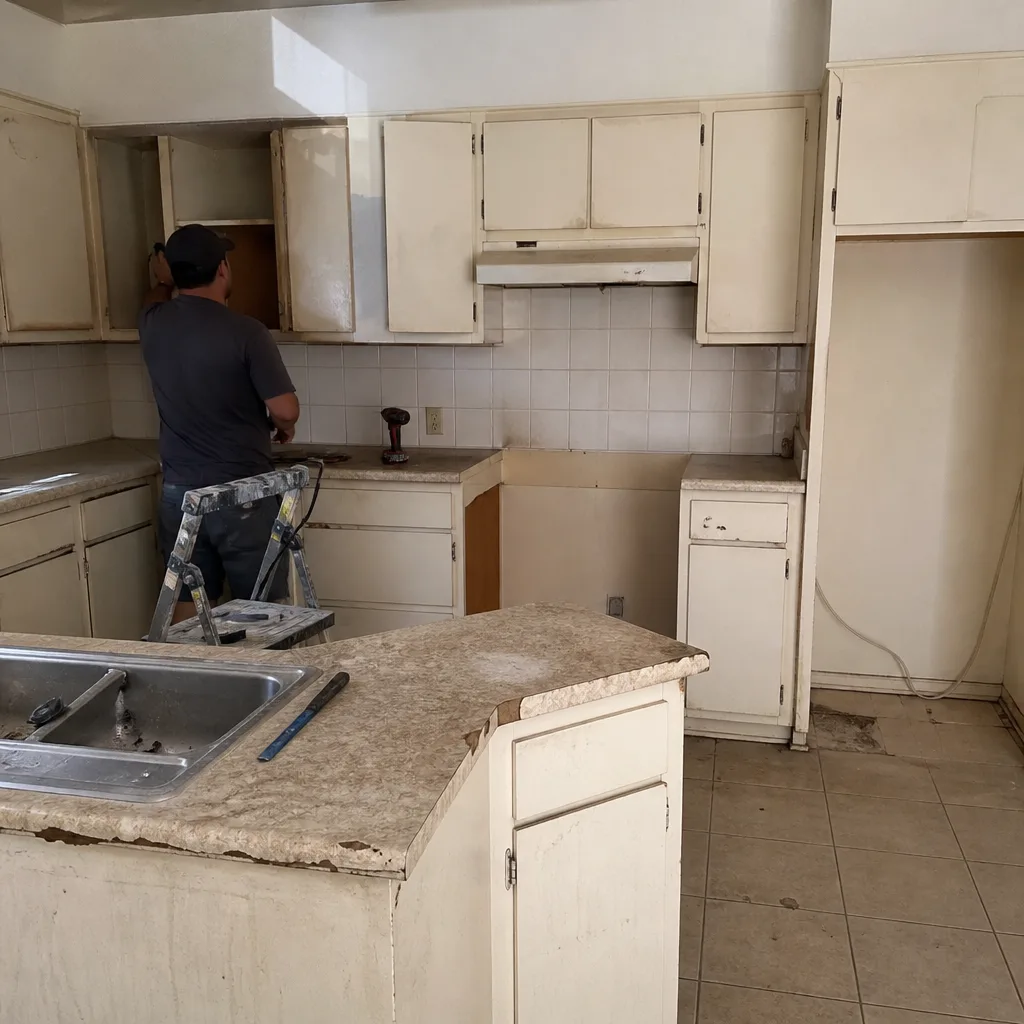 Before
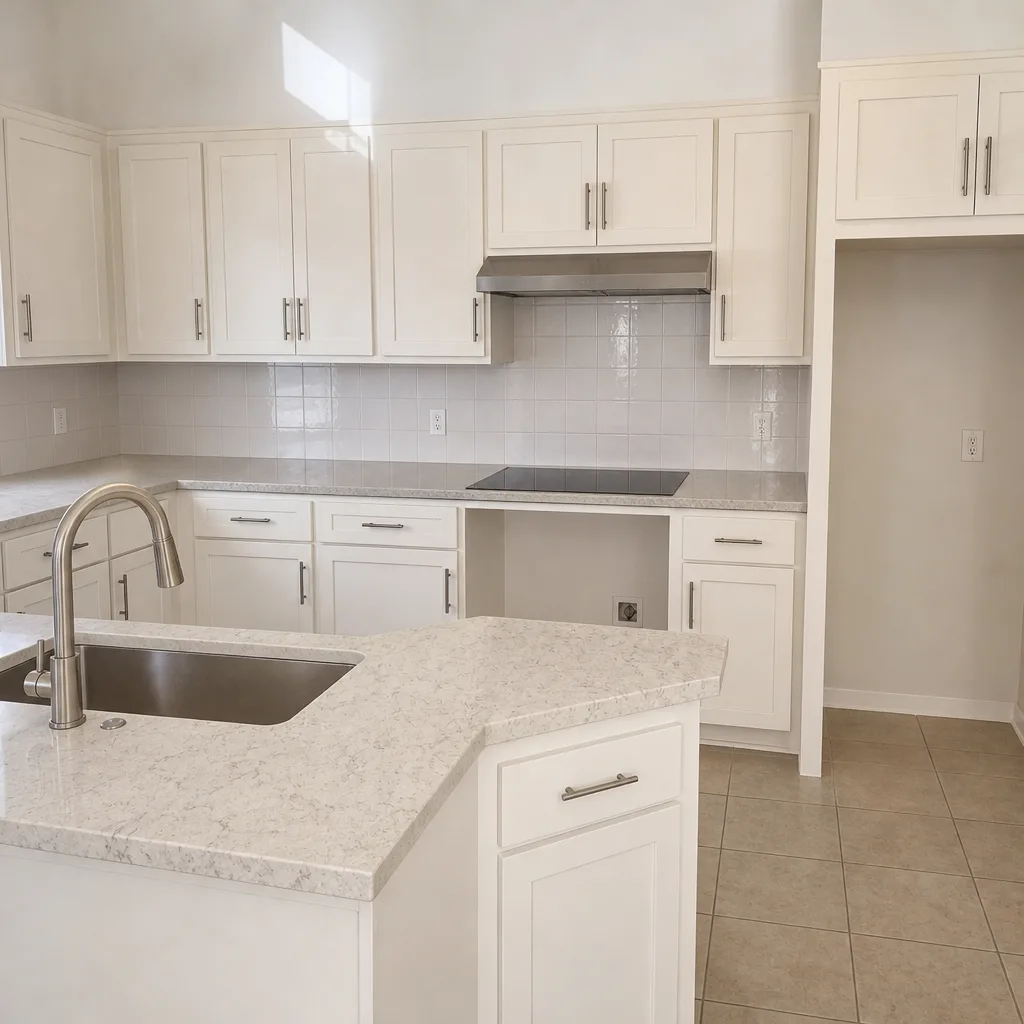 After
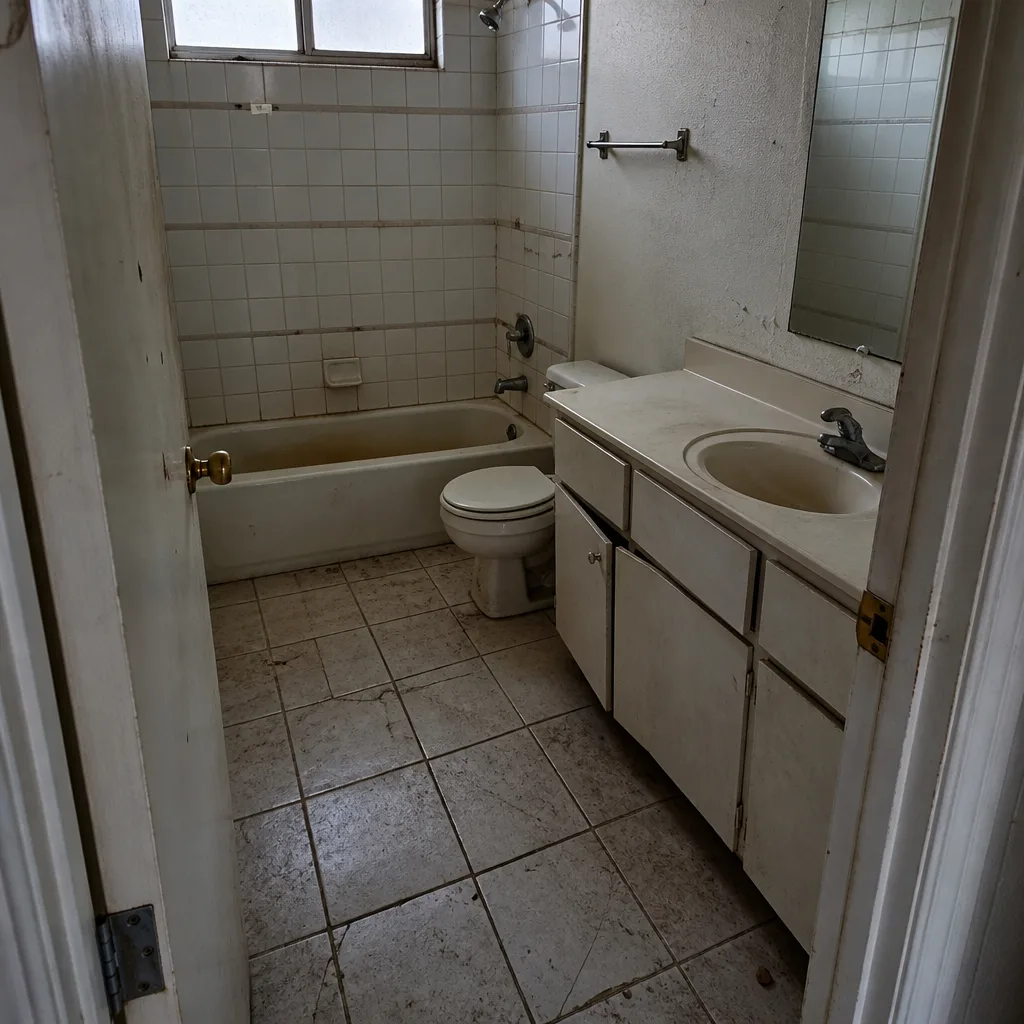 Before
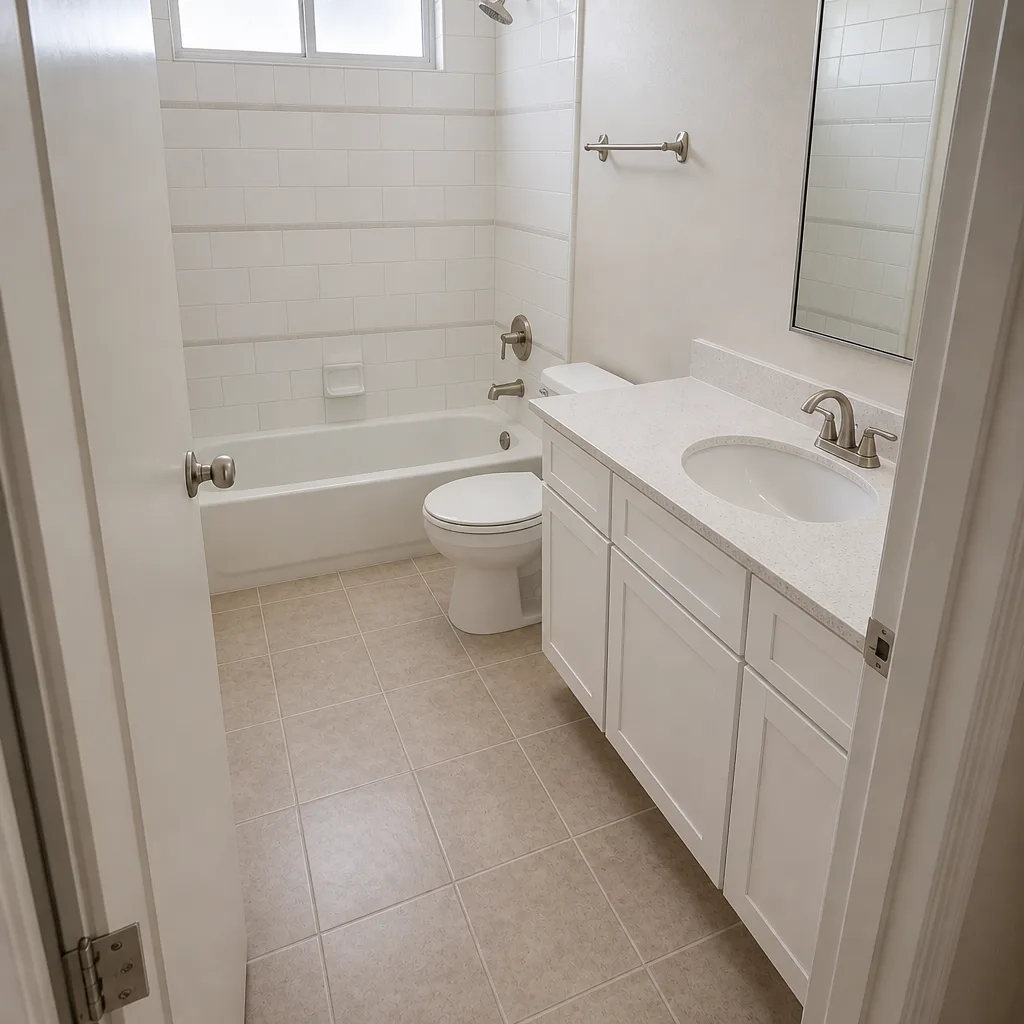 After
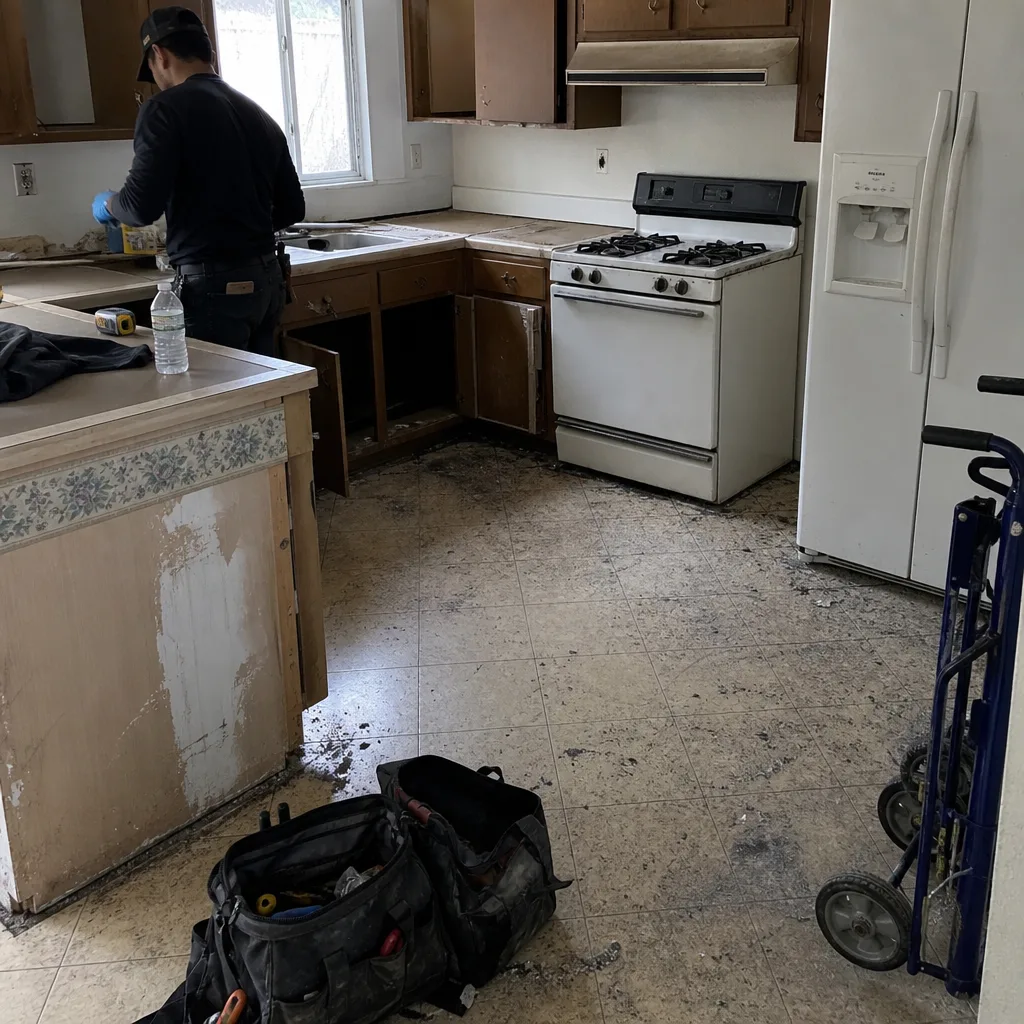 Before
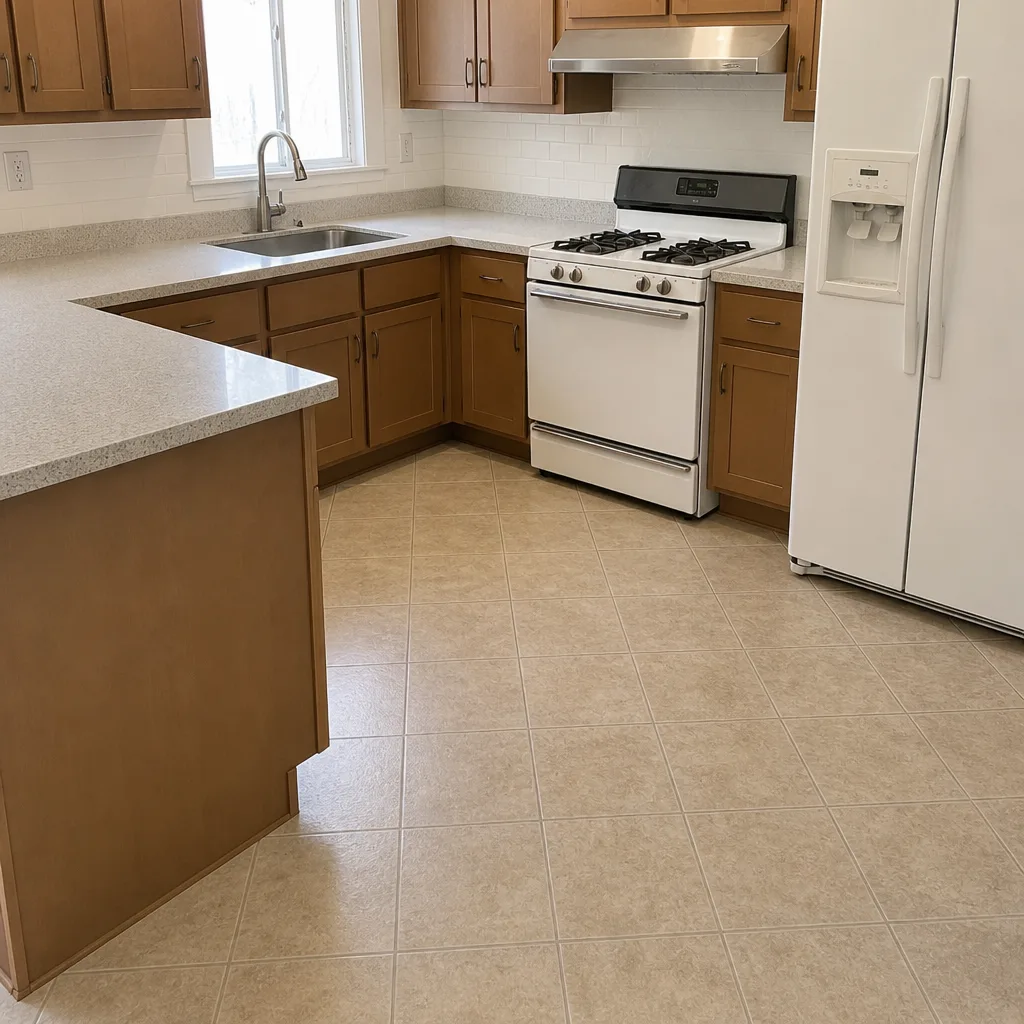 After
When to Call a Professional
Some calls are worth making before you’ve picked up the phone for a bid. If you’re comparing a lump-sum number against a document with line items and can’t tell them apart, walk through it with someone who quotes jobs for a living. If a contract contains “unforeseen conditions” or owner-supplied material language and you’re not sure what you’re giving up, ask before you sign. If the work touches structural framing, electrical panels, gas lines, or the roof – those are the parts where a trained professional does the work and permits and inspections matter most. Don’t take on the danger yourself. Bradford Remodeling Co Summerlin offers free estimates in Summerlin – call (844) 588-0072 and we’ll put a written price in front of you before anything starts.
Frequently Asked Questions

A vague lump-sum bid with no line items is the biggest red flag, because it strips you of legal leverage if the scope is disputed. Ask for divisions of work, labeled allowances, named exclusions, and a written price. If those aren’t on the page, the job’s risk sits on your side of the table. Call (844) 588-0072 for a free written estimate you can compare.
Use the Nevada State Contractors Board database and check the license classification, current status, bond, insurance, and any disciplinary history – not just the number. Search the company name separately from the license number to catch mismatches. This takes about ten minutes and prevents the worst hiring mistakes. Call us for help understanding what your project requires.
No. A modest deposit to secure materials and scheduling is normal; half the job before work is delivered leaves you exposed. Structure payments around verified milestones and hold a meaningful final payment until close-out, with a written guarantee in hand. Call (844) 588-0072 to see a milestone-based proposal.
Usually yes. In the Summerlin market, good subcontractors book weeks out. A GC who can mobilize instantly is likely working with underbooked subs or skipping permit and material lead-time steps that protect you. Ask what happens between today and mobilization, and listen for specifics.
It’s a clause that can let the contractor bill for problems found during demolition, like hidden water damage or outdated wiring. It’s not automatically unfair, but it needs a written process: change order, documented cost, your approval before work continues. Don’t accept open-ended language.
A real guarantee names a duration and tells you exactly what happens if something fails. Ours is the 365-Day Done Right Promise: every completed project carries a full-year written guarantee, and if the work fails inside that window, we return and correct it at no charge. Get the terms in writing before you sign.
The Bottom Line
The warning signs that actually predict a bad remodeling experience aren’t just the obvious missing license or insurance – they’re in the conversation and the bid document. A lump-sum proposal with no line items, a date-based payment schedule, “unforeseen conditions” without a process, and a contractor who can start tomorrow in a booked-out market are all telling you the same thing: the discipline is missing. Screen for written scope, wrote change orders, milestone payments, and a guarantee with a duration. Do that in Summerlin and your project starts squared away – not with a guess. Bradford Remodeling Co Summerlin puts every price and every guarantee in writing before a single tool comes out. Call (844) 588-0072 for a free estimate.
Written by the team at Bradford Remodeling Co Summerlin.