Last updated November 17, 2026








Free written scope consultation - allowances, timeline, and change-order rules on paper before a single trade is scheduled
General Contractor Troubleshooting: Common Problems and How to Fix Them
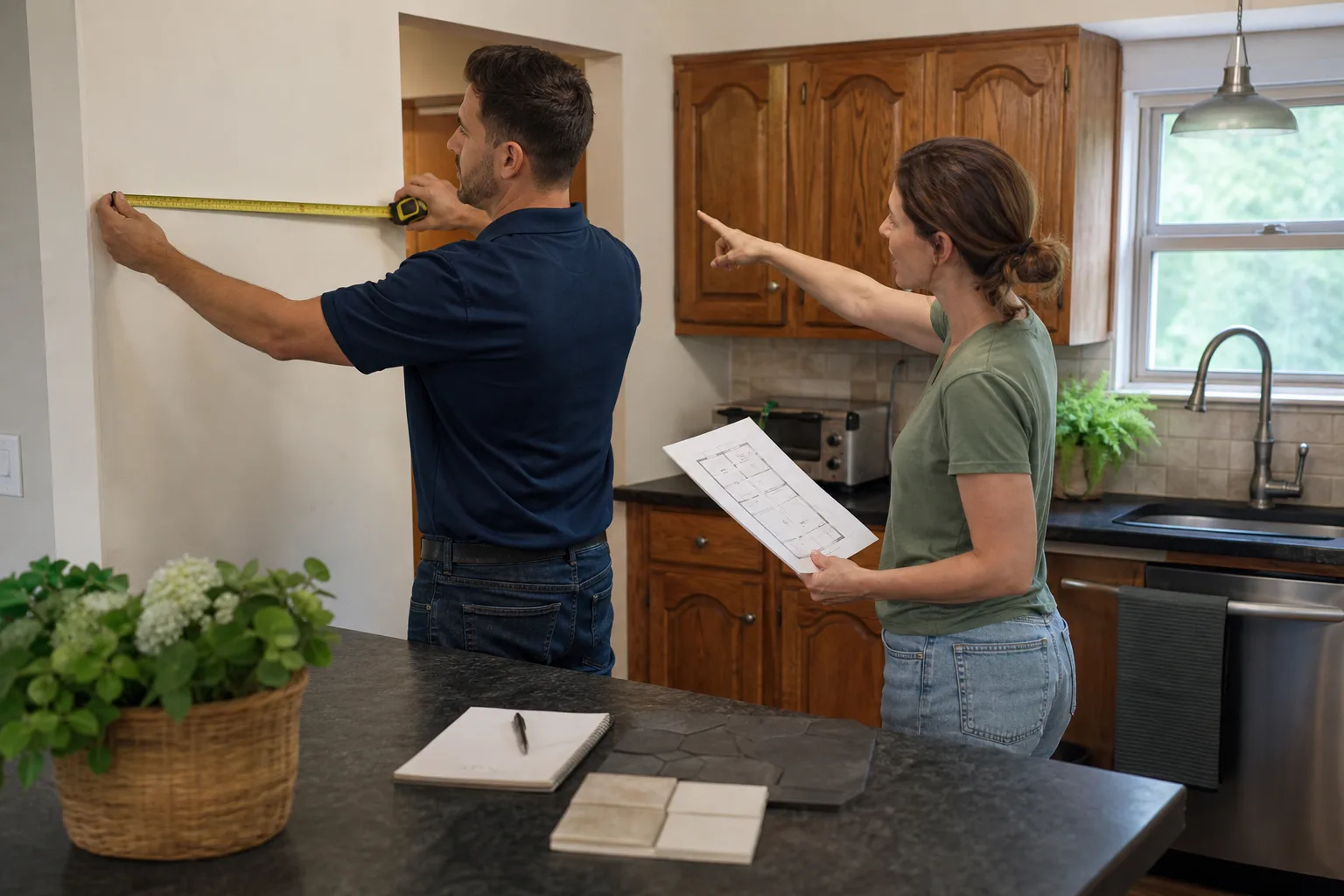
When a GC says “that’s not in scope,” that phrase is either completely accurate or completely wrong, and the only way to know which is to look at a written scope document that most homeowners never got. That’s the uncomfortable truth about remodeling disputes: the breakdown you’re staring at mid-project usually isn’t a construction failure. It’s a contract failure that finally surfaced as a construction failure. We’ve walked into enough Summerlin kitchens and bathrooms to recognize the pattern. This guide maps the most common mid-project problems to their actual root cause, so you respond to the right issue instead of the visible symptom.
Quick Answer
Most general contractor problems mid-project trace back to a missing or vague written scope, not bad craftsmanship. The fix depends on which one you’re facing: a legitimate change order needs a signed document and a fixed price, a disappearing GC needs documented notice in writing within 48 hours, and disputed work needs a factual written complaint that names the deficiency and the code or spec it violates. In Summerlin, where HOA architectural review and Clark County permitting both apply, the paperwork trail is what protects your money.
Styles & brands we work with
- Kitchen remodeling
- Bathroom remodeling
- Home additions & ADU
- Roofing
- Windows & doors
- Driveway & pavers
- Fence
Table of Contents
- Why “Not in Scope” Is the Most Misused Phrase in Remodeling
- How to Tell a Real Change Order from a Padded Bill
- What to Do in the First 48 Hours When Your GC Stops Showing Up
- How Subcontractor Scheduling Conflicts Cascade (and Who Prevents Them)
- Nevada Mechanic’s Liens: When a Sub Can File on Your Home
- The Exact Language to Use When Disputing Work in Writing
- Permits, Inspections, and Summerlin-Specific Code Traps
- What a Squared-Away Job Close Actually Looks Like
Why “Not in Scope” Is the Most Misused Phrase in Remodeling
A scope document is the list of work the contractor has agreed to perform, in writing, with the price attached to it. When it exists and it’s specific, “that’s not in scope” is a fair statement. When it doesn’t exist, or when it says something vague like “demo and prep kitchen,” the phrase becomes a negotiating tool with no anchor. In our experience across Summerlin, the vast majority of disputes we’re called in to untangle started with a scope that couldn’t be read two ways.
What makes a scope defensible:
- Line-item descriptions. “Replace 12 linear feet of backsplash with 3×6 ceramic tile” beats “update backsplash.”
- Explicit exclusions. A good scope names what’s not included: “drywall repair behind removed cabinets is excluded and quoted separately.”
- Material specifications. Brand, model, and finish. A documented roster of KraftMaid or Wellborn cabinetry is traceable; “premium cabinets” is not.
- A price next to each line. If the number isn’t there, the price is negotiable mid-project, and it will be.
- Signature and date. An unsigned scope is a draft, not a contract.
The reason this matters so much in Summerlin specifically: homes here are often 15 to 25 years old, and “undiscovered conditions” behind the drywall are common. Stucco that wasn’t flashed correctly, original polybutylene supply lines, or a shower pan that was never sloped properly. A vague scope turns those real discoveries into a fight. A specific one turns them into a change order you can evaluate on its merits.
How to Tell a Real Change Order from a Padded Bill
A change order is a written amendment to the original contract that modifies scope, price, or schedule, and it’s signed by both parties before the work happens. A legitimate one is triggered by something no one could have seen on bid day. A padded bill masquerades as a change order but is really the contractor recovering margin they left on the table during the bid.
Here’s how to tell them apart:
- Ask when the condition was discovered and why it wasn’t visible at bid. A real change order has a clear answer. “The tile substrate wasn’t attached to code” is a real answer. “We just realized we need more framing” six weeks in is not, unless the wall was opened that day.
- Demand line-item pricing. Real change orders come with a number per item, not a lump sum. If the contractor won’t break it down, that’s your answer.
- Check against your original scope. If the “new” work was already implied by the original description, it’s not a change. It’s a bid error.
- Compare the price to market. A $2,400 charge for reframing one doorway in Summerlin isn’t unreasonable in a structural situation; it’s high if the doorway was already in scope.
- Never sign same-day. A legitimate change order survives a 24-hour review. A padded one usually gets pressured.
Written price before work starts, every time, is the discipline that prevents this problem from ever reaching a dispute. That’s part of what The Garrison Standard enforces on every job, and it’s why our change orders for a kitchen remodel in Sandy Valley or anywhere else come with a number before the crew touches the wall.
What to Do in the First 48 Hours When Your GC Stops Showing Up
A GC who misses a single day isn’t a crisis. A GC who misses three scheduled days without explanation, stops returning calls, and leaves the site exposed is. The difference matters because the first 48 hours after a pattern like that is when you either protect your money or lose the leverage to recover it. Our first piece of advice for Summerlin homeowners: don’t fire anyone yet. Document first. Firing without a paper trail actually weakens your position with Nevada’s contractor licensing board and in civil court.
Steps to take, in order, within 48 hours:
- Photograph the site, dated, from every angle. Note what’s exposed, what’s half-installed, and what’s missing from materials you paid for.
- Send a written notice of concern by email and certified mail. State the facts: dates missed, work not performed, deadline referenced from the contract. Ask for a response within 5 business days.
- Stop paying. Any progress payment not yet released should be frozen until the contractor responds in writing.
- Pull your payment records. Bank statements, canceled checks, receipts. You’ll need these for the licensing board if it comes to that.
- Check the license status of the GC and every subcontractor on the job through the Nevada State Contractors Board.
- Do not let another contractor start work on the same scope until you have a written termination or a mutual agreement. In Nevada, two contractors doing the same work can create a lien problem you don’t want.
If the response comes back reasonable and the GC shows up within 5 days with a plan, you have a scheduling problem, not a breach. If they don’t respond at all, you have grounds to terminate for cause, and your documentation is now what makes that stick.
How Subcontractor Scheduling Conflicts Cascade (and Who Prevents Them)
A subcontractor is an independent trade who works for the GC (plumbing, electrical, tile, cabinetry install). In any remodel, the trades stack in sequence: rough framing, then rough plumbing and electrical, then inspection, then insulation and drywall, then finish trades. When one rung slips, everything above it slips too, and the cascade is often larger than the original delay. A two-day plumbing slip in a Summerlin kitchen can push cabinet delivery, countertop templating, and tile finish by three weeks because each of those trades booked their slots weeks ahead.
What a GC should be doing to prevent the cascade:
- Holding trade slots in writing, not just by phone, with confirmation 10 days out and 48 hours out.
- Front-loading inspections so a failed rough-in doesn’t blow a two-week hole into the sequence.
- Keeping two backup subs on retainer for each critical trade, so a no-show doesn’t stall the job.
- Communicating the schedule to you weekly, in writing, so you’re not surprised when the cabinet install slides.
- Pacing material orders against install dates, so a well-documented line like Cambria or Caesarstone isn’t sitting on the driveway for a month.
What a GC should not be doing: explaining the conflict after the fact as if it were weather. That’s not a schedule; that’s a symptom of a schedule that was never real. For homeowners in a whole-home remodel like the kind we run in Summerlin, this is where the project either holds its date or loses the season.
Nevada Mechanic’s Liens: When a Sub Can File on Your Home
A mechanic’s lien is a legal claim filed against your property by someone who provided labor or materials and wasn’t paid. In Nevada, when a subcontractor or material supplier isn’t paid by the GC, that sub can file a lien against your home even though you paid the GC in full. It’s the part of Nevada contracting law that catches homeowners most off guard, and it’s why a disciplined GC runs paperwork as carefully as they run the framing.
What protects you in Summerlin:
- A notice of right to lien should be delivered to you by subs and suppliers early in the job. If you never got one from a sub on your site, that sub has a shorter lien window, but the protection cuts both ways: know who’s on your job.
- Conditional lien waivers from every sub, tied to each progress payment. These confirm the sub was paid for the work covered by that payment.
- A final unconditional lien waiver from every sub and supplier at close, before final payment is released.
- A GC who pays subs on time, because unpaid subs are the source of nearly every residential lien dispute.
If a lien appears on your property, you have a limited window to respond, and the first call is to a construction attorney. The prevention is simpler: a general contractor operating as a disciplined general contractor in Sandy Valley or anywhere in the Las Vegas Valley collects lien waivers as a matter of course, not as a favor when asked.
The Exact Language to Use When Disputing Work in Writing
A dispute letter is a written record of a specific deficiency, the standard it fails, and the remedy you’re requesting, delivered by a method that proves you sent it. What most homeowners send instead is a paragraph of frustration, which is emotionally valid and legally useless. The difference between the two decides whether the dispute is resolved or becomes evidence against you.
The structure of a legally useful dispute letter:
- Date and reference the contract by its date and the project address. “Re: Contract dated March 3, 2026, for work at [address].”
- Name the deficiency in trade terms. Not “the shower looks bad.” Instead: “The shower pan is not sloped to the drain, which violates the manufacturer’s installation spec and will pool water.”
- Reference the applicable standard: the manufacturer’s installation instructions, the local building code, or the written spec in your contract. Name the specific section when you know it.
- State the remedy you’re requesting: repair, replace, refund, or third-party inspection. Be specific about what “fixed” means.
- Give a deadline: 10 business days is reasonable for most non-structural deficiencies.
- Send it two ways: email for timestamps, certified mail for legal weight.
- Keep a copy and a log. Every call, every text, every photo, dated.
We get called into Summerlin homes mid-dispute regularly, and the ones that resolve fastest are the ones where the homeowner built this paper trail early. That’s the discipline behind the Summerlin home remodeling approach we run: written scope, written change orders, written guarantee, so a dispute has no room to grow.
Permits, Inspections, and Summerlin-Specific Code Traps
Clark County issues building permits through its Department of Building and Fire Prevention, and most structural, electrical, plumbing, and mechanical work in Summerlin requires one. Skipping permits to save time or fees is a real problem at resale and a real problem at inspection; unpermitted work discovered later often has to be opened up and inspected on the new owner’s dime. Summerlin adds its own layer: many neighborhoods are governed by a master association plus a sub-association, and both typically require written architectural review approval before exterior work begins. A GC who treats HOA approval as a footnote will stall your project at the first exterior change.
What Summerlin’s climate adds to the troubleshooting list:
- Stucco and flashing. The desert sun bakes exterior stucco hard over 20+ years. When it cracks and opens, wind-driven rain during monsoon season finds the flashing detail behind it. If you’re remodeling a north or west-facing exterior wall, ask your GC how they’re re-flashing, not just re-stuccoing.
- Pool deck and hardscape movement. Clay-heavy soil in parts of the valley shifts with seasonal moisture. Belgard or Unilock pavers set without proper base prep heave within a season or two. Base depth and compaction are what you’re paying for.
- HVAC and ductwork in attic remodels. Rerouting ductwork during a whole-home remodel is common, and every reroute is a permit item. A GC who skips this leaves you with an efficiency problem and a resale disclosure issue.
Your permitting checklist should look like the bathroom remodel permit and inspection process in Sandy Valley and everywhere else in the county: permit pulled before demo, inspections scheduled on time, and final inspection signed off before your final payment is released.
What a Squared-Away Job Close Actually Looks Like
Job close is not the day the crew packs up. It’s the day you have a clean site, a documented scope marked off line by line, a signed written guarantee in your hand, and a final lien waiver from every sub and supplier on the project. If any of those four are missing, the job isn’t closed, no matter what the invoice says.
The four-piece closeout:
- Site walk, documented. You and the GC walk the project line by line against the written scope. Every item on the list is either complete or on a punch list with a completion date.
- Punch list resolved. Cosmetic items (touch-up paint, caulk lines, cabinet alignment) are done, not promised.
- Final lien waivers collected. No sub or supplier can come back to you later.
- Written guarantee in hand. Not a verbal commitment. A document that says what’s covered, for how long, and how to invoke it if the work fails.
That last piece is where most homeowners get let down, because it’s the piece most contractors skip. The 365-Day Done Right Promise is a written guarantee on every completed project: if the work fails inside that full year, we come back and correct it at no charge. No fine print, no “if we feel like it.” It’s the kind of guarantee you can only write if your own file is clean.
Common Mistakes to Avoid
- Starting without a signed line-item scope. If the scope is three sentences long, the project will have three disputes minimum. Summerlin’s older housing stock almost always reveals something behind the walls, and a vague scope turns a discovery into a negotiation.
- Paying a large deposit up front with no milestone schedule. Progress payments should tie to specific, inspectable milestones. A lump-sum deposit is a loan to the contractor with no collateral.
- Treating HOA architectural review as optional. Many Summerlin neighborhoods require written association approval for exterior changes. Skipping it can force you to reverse a completed install. The association isn’t the villain; getting caught unapproved is.
- Signing a change order at the door. If you’re being asked to sign a change order the same hour it’s presented, the number hasn’t been reviewed carefully enough. Take the night.
- Letting the GC skip lien waivers. No final payment should move before every sub signs off. This is also true for a smaller job like a kitchen or bathroom, where a single unpaid tile setter can file a lien.
- Disputing by phone. A verbal complaint leaves no record. Follow up every call with an email summary the same day.
- Choosing the low bid without asking what it excludes. Low bids win on scope gaps, not on price. Ask for the exclusion list before you compare numbers.
See the difference
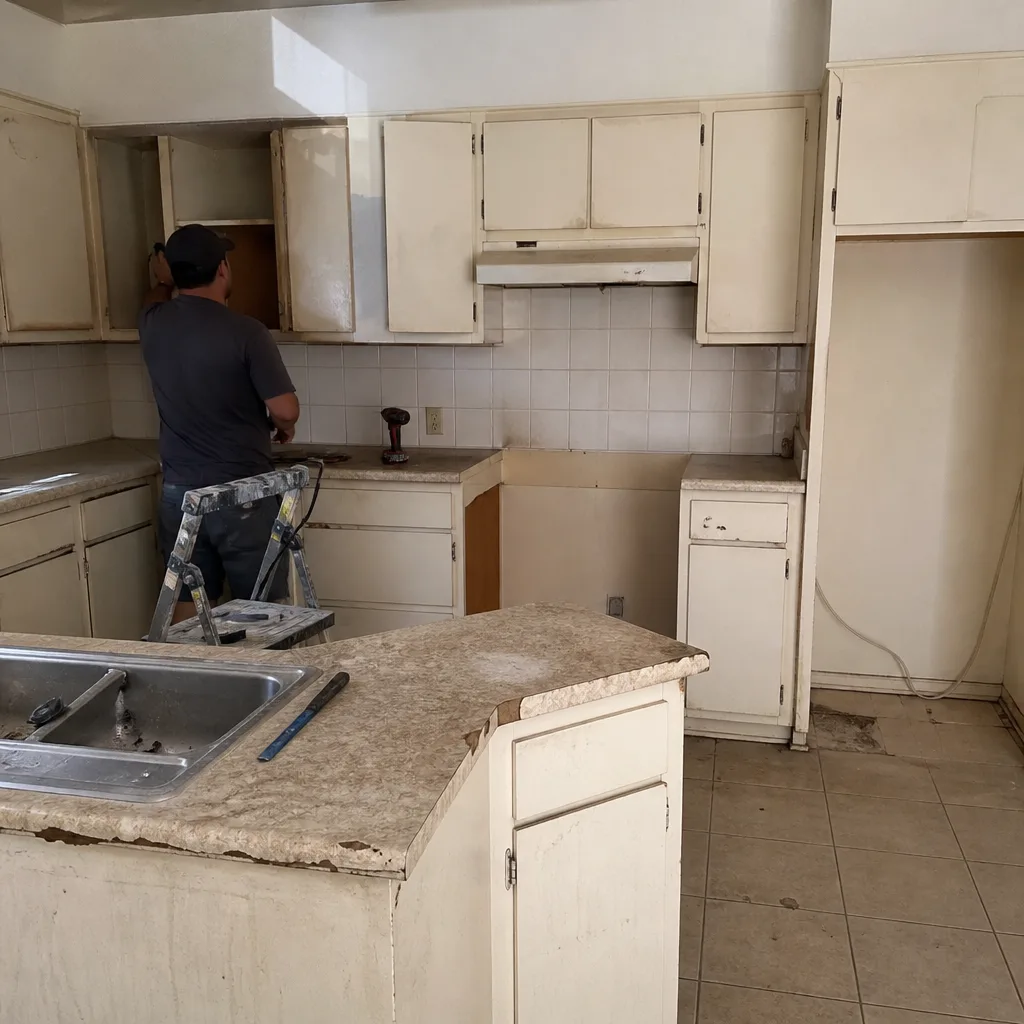 Before
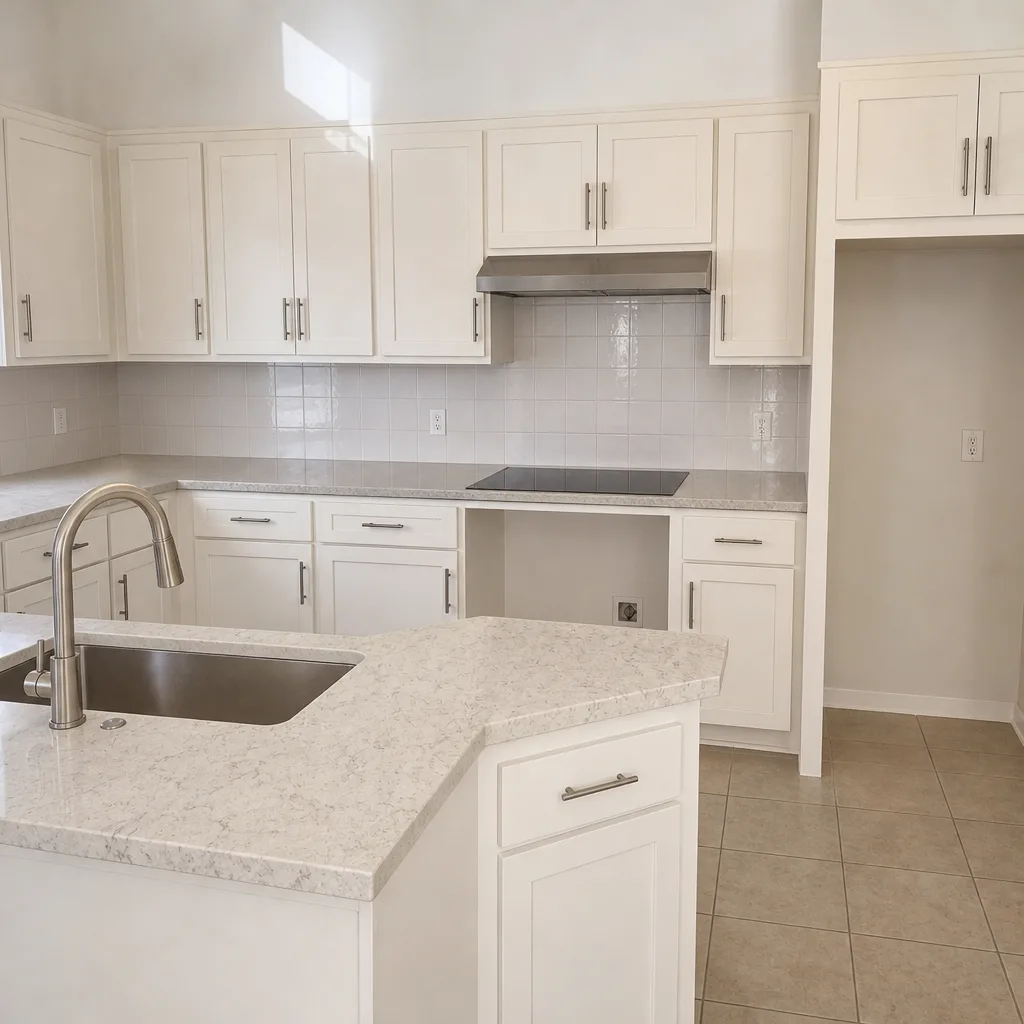 After
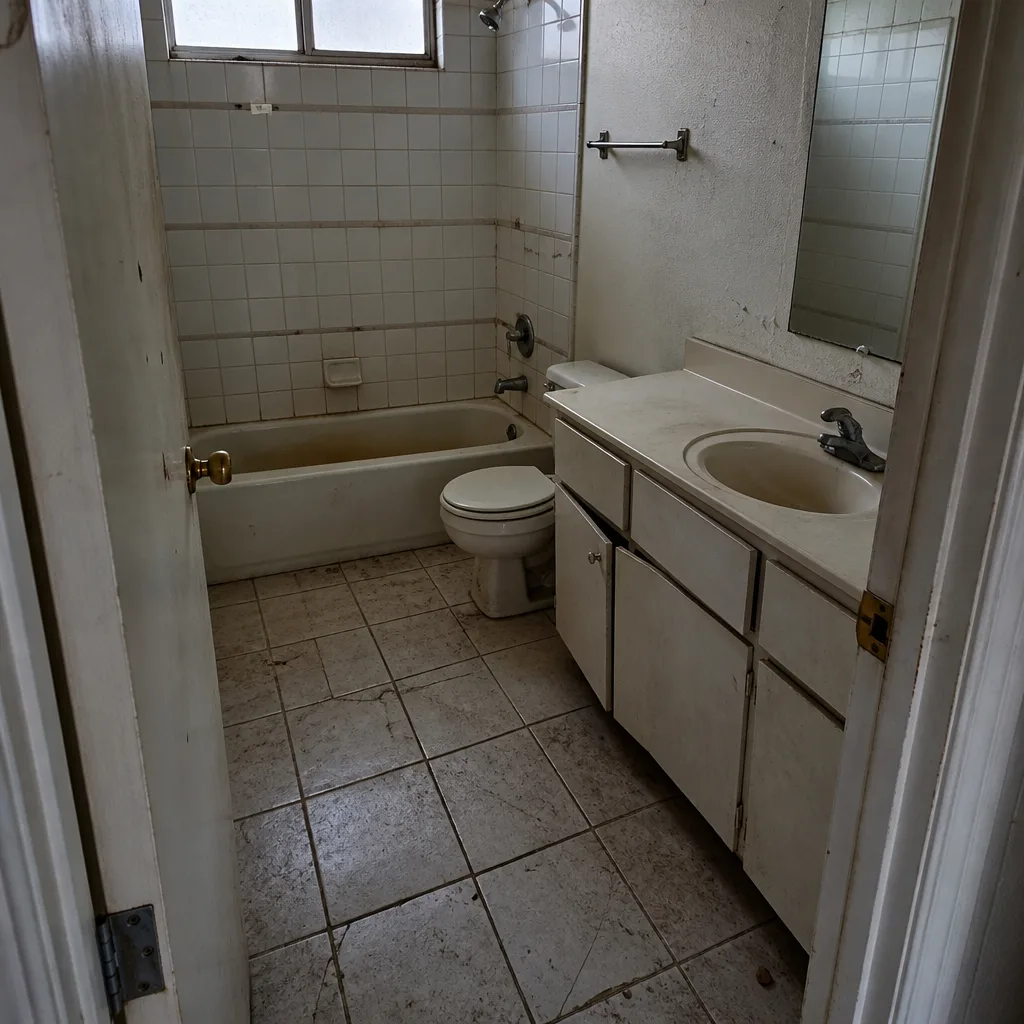 Before
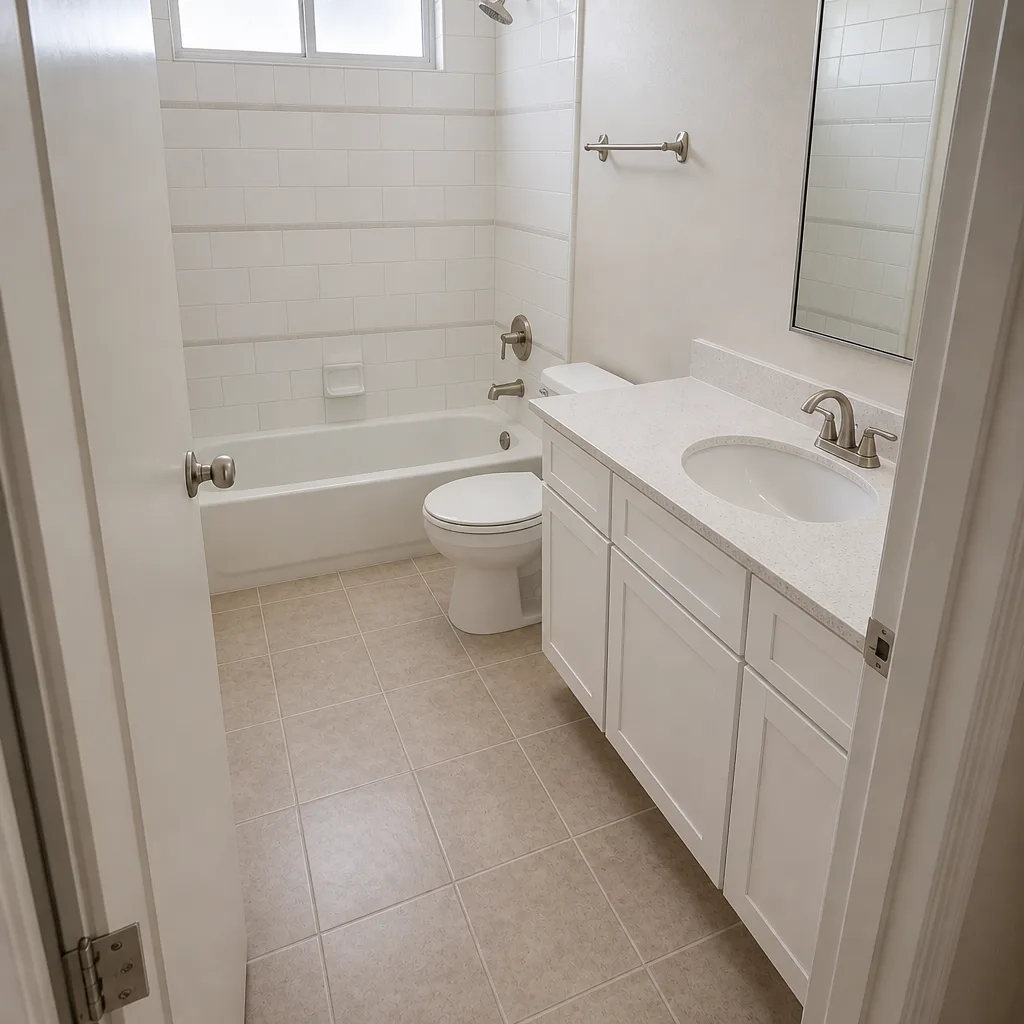 After
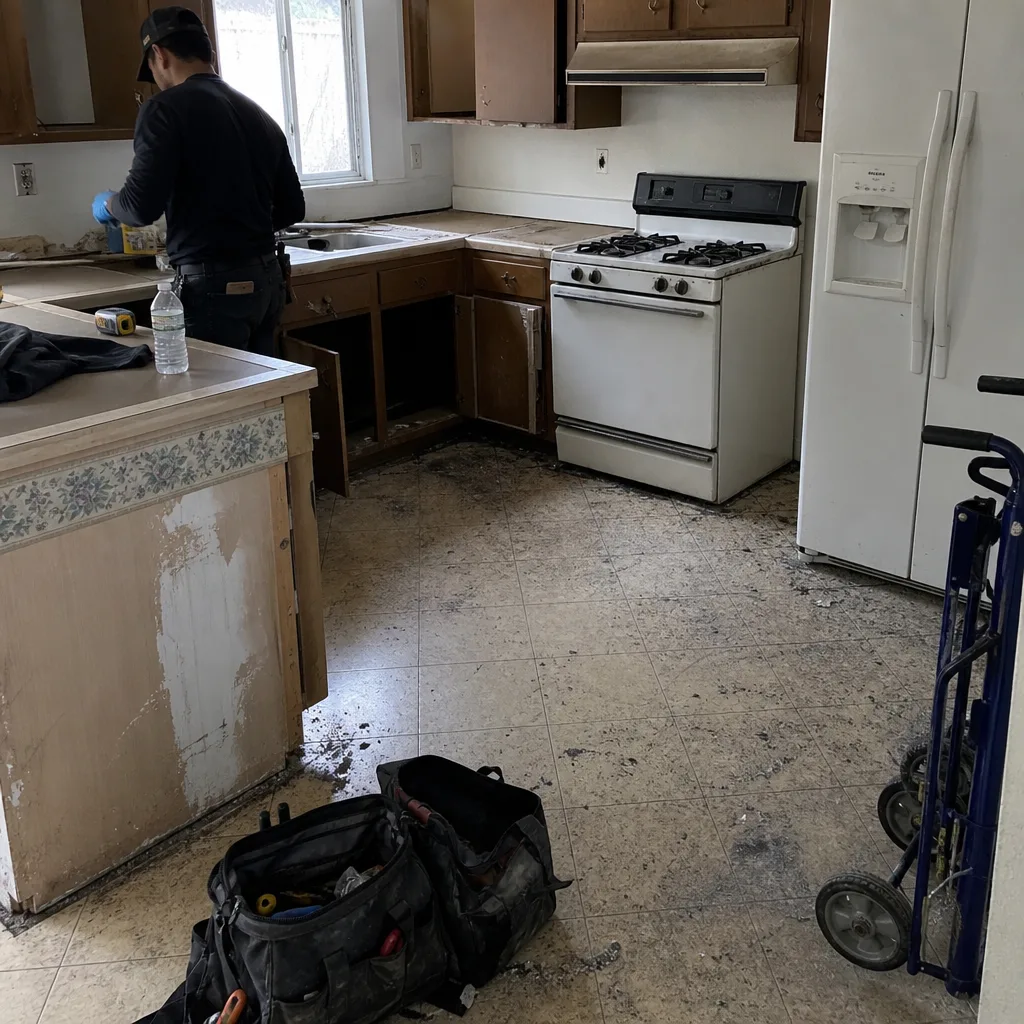 Before
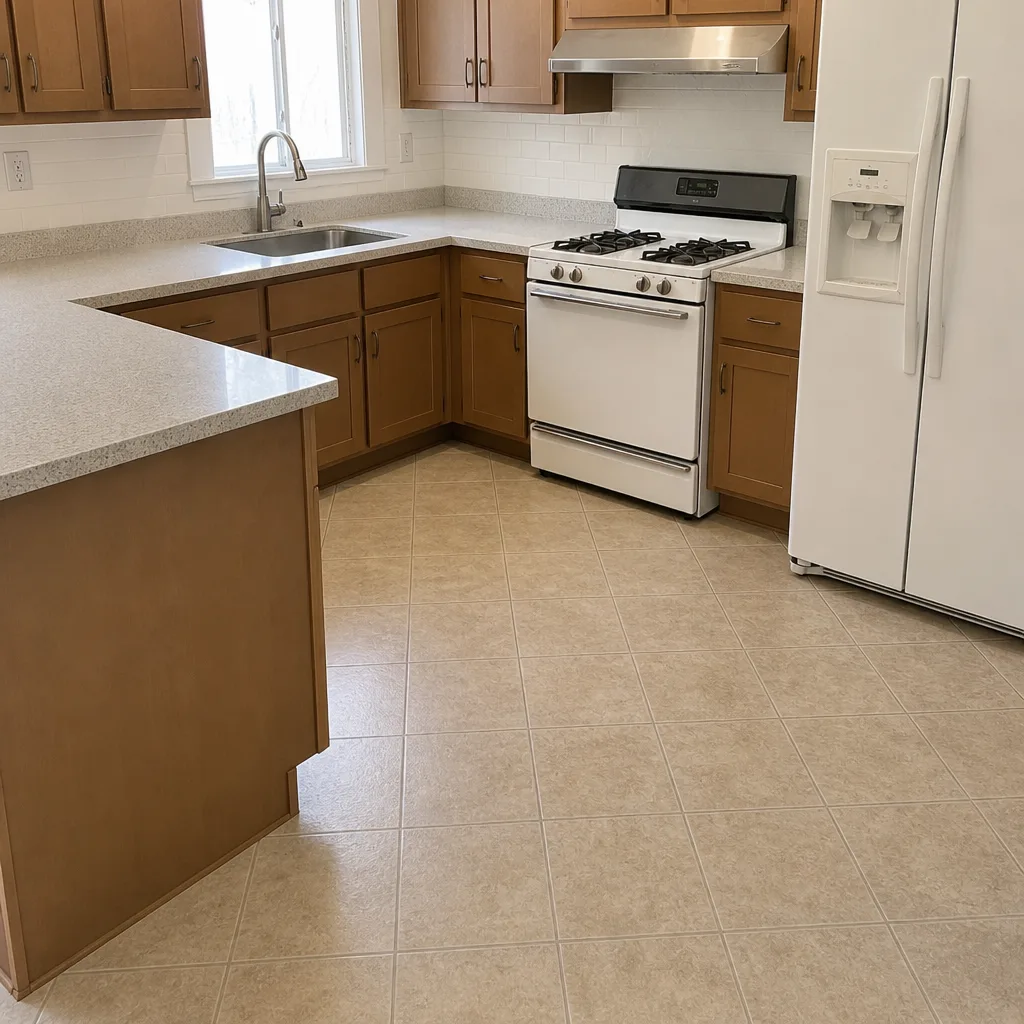 After
When to Call a Professional
Call a professional when the discovery involves structure, electrical, plumbing, gas, or any wall you don’t yet know the contents of. In Summerlin, that includes anything touching exterior stucco and flashing, HVAC rerouting, or the pool deck base. Also call in help when the contract is already in dispute and you need a second set of eyes on the scope before a change order is signed. Bradford Remodeling Co Summerlin offers free estimates in Summerlin and answers the phone with a live person, every hour of every day. Call (844) 588-0072.
Frequently Asked Questions

A mid-project dispute resolution in Summerlin typically runs $1,500 – $6,000 if it’s a scope disagreement that can be resolved with a written change order and a correction. If it escalates to lien proceedings or civil litigation, costs climb past $10,000 fast. Prevention runs a lot cheaper than repair: a written scope and written change orders cost nothing extra, and they prevent the most common source of the $1,500 – $6,000 range entirely. Call (844) 588-0072 for a free estimate on a properly scoped project.
Yes, a Nevada GC can stop work if a payment due under the contract isn’t released, but only after notifying you in writing and giving a reasonable cure period, usually specified in the contract. The reverse is also true: you can withhold payment if work isn’t performed per the written scope. The key is that both actions need to be in writing, dated, delivered. Verbal withholdings escalate faster than written ones. Call (844) 588-0072 for a written price before work starts on any Summerlin project.
Most Summerlin kitchen and bathroom remodels require a Clark County building permit if they involve moving or adding electrical, plumbing, mechanical, or structural work. Cosmetic-only changes (paint, countertops, cabinet faces) typically don’t require a permit, but any rough-in work does. Many Summerlin neighborhoods also require HOA architectural approval for changes visible from outside. Confirm both before demo starts. Call (844) 588-0072 for a free estimate that includes permit coordination.
A change order adds scope and price to the project and requires both signatures before work happens. A refund returns money for work that was paid for but not performed per the written scope, or for work that failed and falls under a written guarantee. They’re entirely different documents, and a contractor who confuses the two is telling you something about how they run the job. Bradford Remodeling’s 365-Day Done Right Promise covers the second category in writing: if the work fails within a full year, we return and correct it at no charge.
A Summerlin kitchen remodel typically runs 6 to 10 weeks from demo to closeout, with larger jobs (moving walls, full rewire, cabinets and surface replacement in a KraftMaid or Wellborn spec) landing in the 10 to 14 week range. Cabinetry lead times and countertop templating for a stone like Cambria or Caesarstone account for much of the variation. Any schedule quoting well under 6 weeks for a full kitchen should be questioned line by line. Call (844) 588-0072 to get a written schedule with your free estimate.
In most cases, no: Bradford Remodeling brings its own background-checked, uniformed technicians and a documented subcontractor roster under The Garrison Standard. If your current subcontractors have already done inspectable work on your home, we can review the scope and documentation you have and decide what carries forward. The safest path is a fresh written scope, a fresh written price, and a fresh inspection of the existing work. Call (844) 588-0072 to schedule that free estimate.
The Bottom Line
The mid-project problems we see in Summerlin almost always trace back to a contract that was missing or vague, not to a crew that didn’t know the trade. That’s good news, because contracts are fixable before the first tool comes out. Written scope, written change orders, written guarantee. Ask for those three things on every bid, and most of what you’d otherwise be troubleshooting disappears before it starts. If you’re mid-project and the paperwork won’t hold, document first, call second, decide third. If you’re about to start a project and want it done under The Garrison Standard, we’re here to write the number down. Call (844) 588-0072 for a free estimate.
Written by the team at Bradford Remodeling Co Summerlin.