Last updated November 17, 2026





Free written scope consultation - allowances, timeline, and change-order rules on paper before a single trade is scheduled
DIY vs Professional Kitchen Remodeling: What’s Safe to Do Yourself
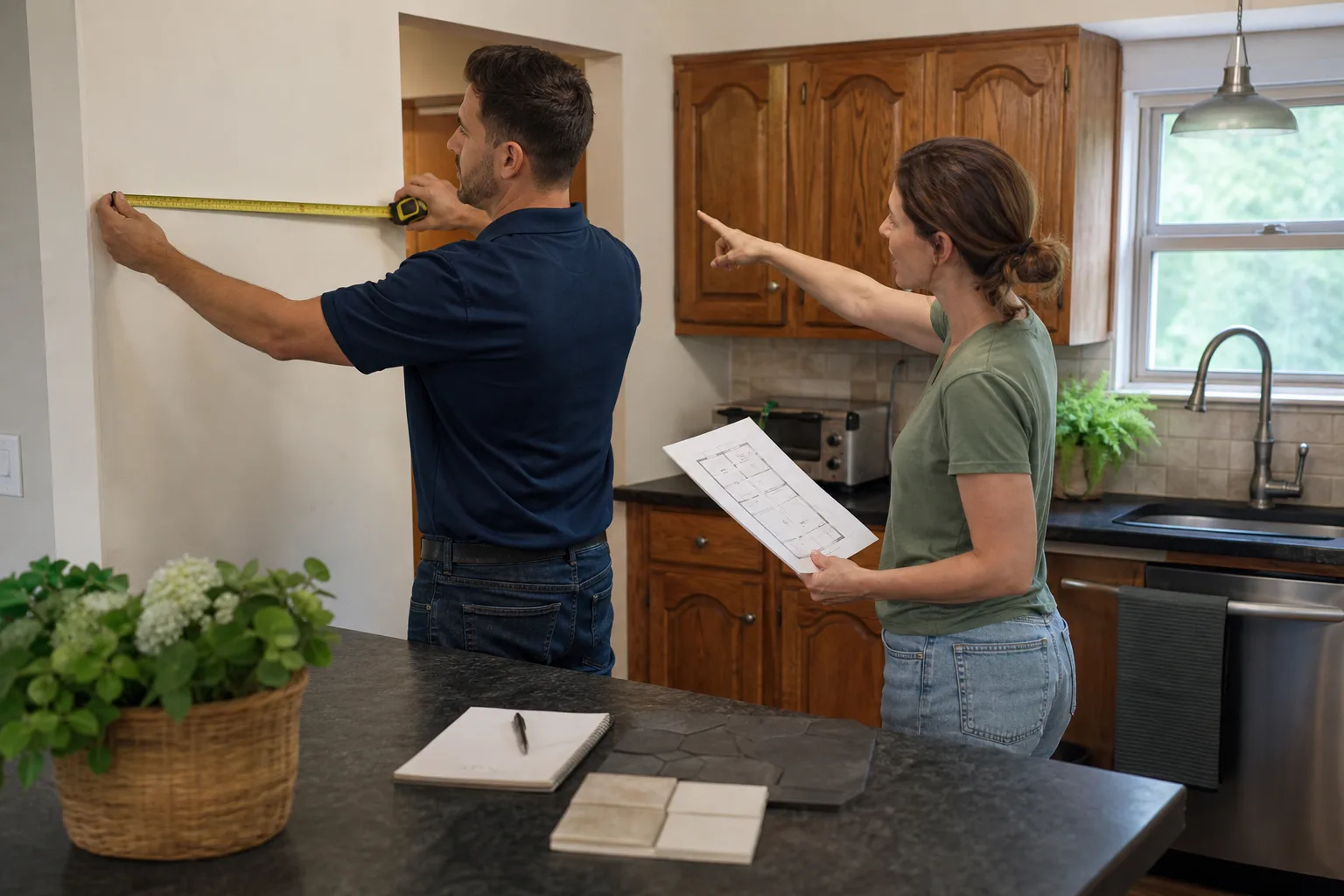
Here’s the part most remodeling guides skip: in Nevada, the DIY-versus-hire line isn’t drawn by skill. It’s drawn by the permit. A homeowner who swaps their own kitchen faucet is exercising a legal right. That same homeowner who moves a gas stub to fit a new range, or relocates a drain for a sink under a window, has just created an uninsured liability that can follow the property through every future sale. We’ve watched this play out in Summerlin kitchens where a sale stalled over work no one could document. This guide maps exactly which kitchen tasks you can own, which ones legally require a licensed trade, and how to run the hybrid model that actually saves money.
Quick Answer
You can safely DIY cosmetic kitchen work with no permit exposure: cabinet hardware, painting, backsplash tile on properly backed surfaces, and swapping a light fixture on an existing circuit. You cannot legally DIY anything that touches gas lines, adds or moves electrical circuits, or relocates plumbing supply or drain lines in Nevada – those require a licensed trade contractor and a permit, and doing them unpermitted creates insurance and disclosure problems that outlast the remodel. Cabinet installation sits in a gray zone legally but a risky one on warranty.
Styles & brands we work with
- Kitchen remodeling
- Bathroom remodeling
- Home additions & ADU
- Roofing
- Windows & doors
- Driveway & pavers
- Fence
Table of Contents
- Where the Permit Line Falls in Nevada Kitchen Work
- The DIY Tasks With Real Savings and Low Risk
- Why DIY Cabinet Installation Is a Warranty Problem, Not a Skill Problem
- Acting as Your Own Kitchen Project Manager: The Hybrid Model
- What a Home Inspector Sees That Reveals Unpermitted Work
- Common Mistakes to Avoid
- When to Call a Professional
- Frequently Asked Questions
Where the Permit Line Falls in Nevada Kitchen Work
Most homeowners assume a permit is about square footage or structural walls. In kitchen work, the permit triggers are almost entirely about systems – gas, electrical, and plumbing – because those are the parts of the house that injure people or flood them when done wrong. Here’s the working list we give homeowners before they pick up a single tool, framed as the real trade does.
- Moving a circuit or adding an outlet – Requires a permit and a licensed electrician. New kitchen appliance loads, dedicated circuits for a range hood or dishwasher, and GFCI protection all fall here.
- Relocating a drain or supply line – Requires a permit and a licensed plumber. Moving a sink under a window, adding a pot filler, or rerouting for a new island sink all count.
- Moving a gas stub – Requires a permit and a licensed plumber or gas fitter. A new range location, a relocated cooktop, or a gas line extension for a dryer or outdoor kitchen all qualify. This is the highest-stakes item on the list.
- Adding a hood vent through exterior wall – Usually permits with the electrical or mechanical scope, and in Summerlin’s stucco-and-frame construction, penetrations need proper flashing and sealing against our dry, wind-driven dust.
- Swapping a like-for-like fixture on an existing circuit – Typically exempt. Replacing a ceiling light with another ceiling light, no new wiring, no new circuit.
- Painting, hardware, and surface tile – Exempt. No permit, no inspection, no trade license required.
If you’re unsure whether your project crosses a line, ask before you start. That question is free, and the answer prevents a much more expensive conversation later. Our general contractor in Sandy Valley fields these questions regularly, and the answer is almost always shorter than homeowners expect.
The DIY Tasks With Real Savings and Low Risk
These are the projects where DIY genuinely pays – the work is reversible, the risk of injury or water damage is low, and the labor savings are real rather than theoretical. In a typical Summerlin kitchen, this list can trim a meaningful chunk off a remodel budget without moving the permit line an inch.
- Cabinet hardware. Knobs and pulls are the highest-value, lowest-risk DIY job in the kitchen. A single jig, a drill, and a Saturday afternoon replaces a $400-$900 installer line item. Measure twice; the holes are permanent.
- Painting. Walls, ceiling, and even cabinet boxes if you’re patient. Proper prep on the fronts – degreasing, light sanding, a bonding primer – is what separates a five-year paint job from a two-year one.
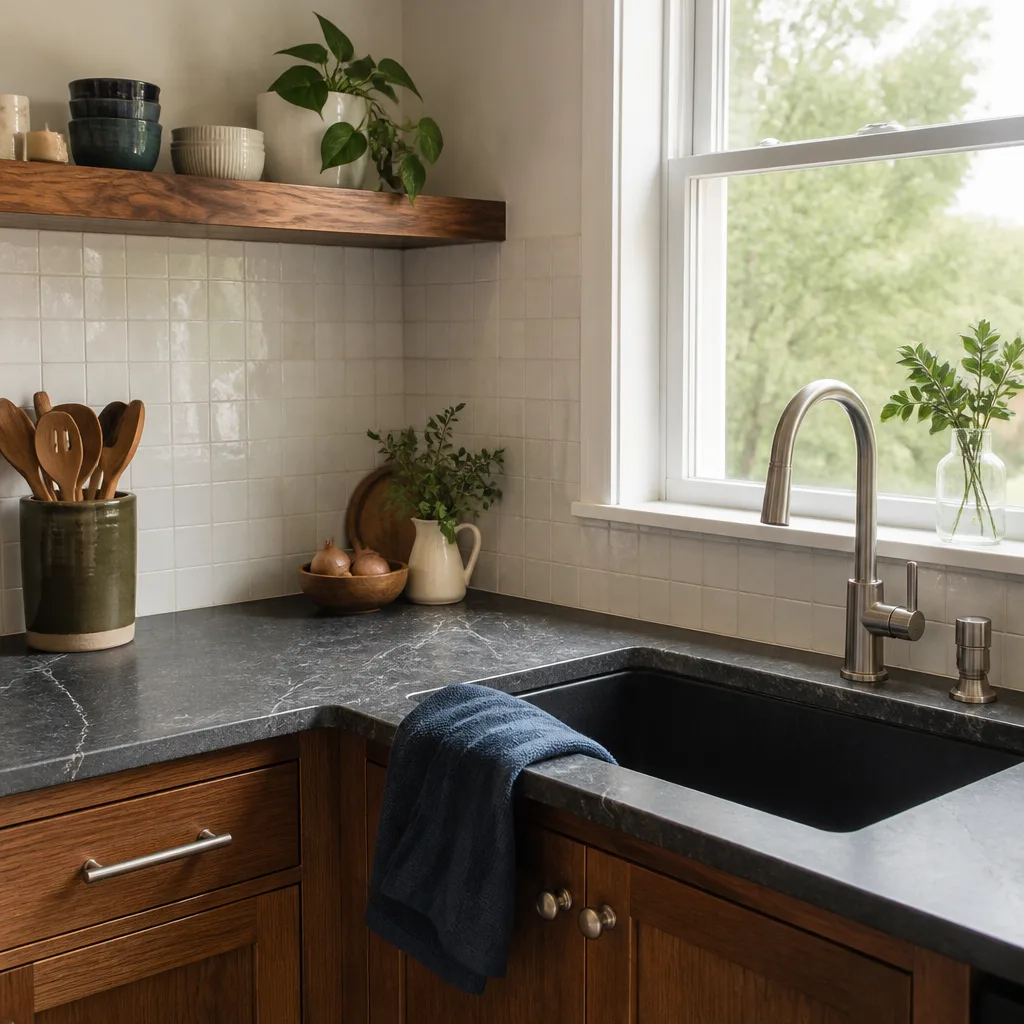
- Backsplash tile on a properly backed surface. If the wall behind your backsplash is already cement board or drywall in good condition, tile is squarely a DIY task. The failure points are surface prep and grout sealing. Skip it if you’re tiling over damaged drywall – that’s a substrate problem, not a tile problem.
- Light fixture swaps on existing circuits. Replacing a fixture on a circuit that’s already there, with the breaker off and a tester in hand, is homeowner-legal work. Adding a new circuit, moving a switch, or wiring a new under-cabinet run is not.
- Faucet replacement on existing rough-in. Swapping a faucet on existing supply lines is generally homeowner work. Moving the supply lines or the drain is not.
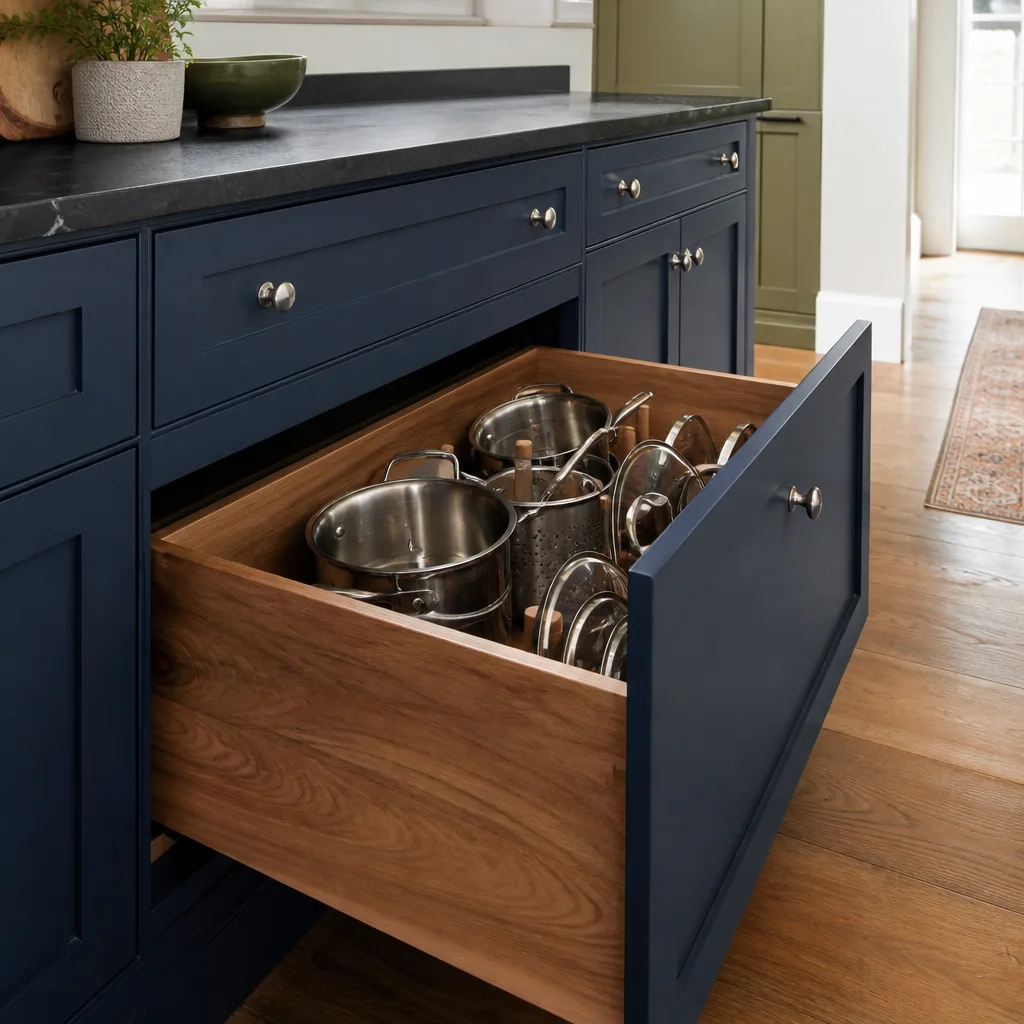
- Cabinet interior organization. Pull-out shelves, drawer dividers, and interior lighting that plugs in rather than wires in. Cosmetic, reversible, and quick.
Where this list gets interesting in Summerlin specifically: our low indoor humidity during winter means freshly grouted backsplash needs sealing on a faster timeline than homeowners moving here from coastal climates expect. A grout sealer applied at 30 days and again annually is the difference between a clean grout line and a permanent stain pattern.
Why DIY Cabinet Installation Is a Warranty Problem, Not a Skill Problem
We’ve seen homeowners with real carpentry skill install beautiful cabinetry and then discover the hard part wasn’t the install – it was the fine print. Most cabinet manufacturers, including the brand-name lines we work with like KraftMaid and Wellborn, condition their finish and structural warranties on professional installation by a licensed or manufacturer-authorized installer. Install a $40,000 cabinet package yourself and you may have voided the very warranty that made the purchase worth it.
The failure modes aren’t hypothetical. Cabinets installed out of level telegraph into door gaps that won’t close cleanly a year later. Wall cabinets anchored into drywall without proper blocking pull loose – a real risk in a kitchen where a heavy cabinet gets loaded with dishes and daily use. And the finish warranty issue goes beyond installation: knife-cut scribe joints, mis-drilled hinge cups, and heat damage from an improperly vented range hood all give a manufacturer grounds to deny a claim.
There’s a second layer here that DIYers rarely consider. Cabinet installation is where the electrical, plumbing, and gas rough-in converge. The hood vent, the under-cabinet lighting circuit, and the countertop cutout for a sink all depend on cabinets being set exactly where the plan says. Install cabinets two inches off and the plumber’s rough-in no longer lines up – which means either re-doing the plumbing or living with a sink that drains oddly. That’s why we recommend the trade sequencing start with cabinets, then electrical and plumbing, even when homeowners are doing the cosmetics themselves.
Acting as Your Own Kitchen Project Manager: The Hybrid Model
The homeowners who save the most money aren’t the ones who do everything themselves. They’re the ones who hire licensed trades for the work that requires them, then handle the purchasing, scheduling, and cosmetic work themselves. This hybrid model is legitimate, safe, and it’s the approach we see produce the best outcomes for disciplined homeowners who want to stay in the driver’s seat without stepping into legal exposure. It’s how a kitchen remodeling in Sandy Valley project can run clean without a homeowner signing a full GC contract.
Here’s the sequence that works:
- Pull the permits in your name. As the homeowner, you can usually pull an owner-builder permit for work on your own primary residence. This keeps you legally clean and gives the inspector a paper trail.
- Hire and schedule the licensed trades first. The electrician for circuits and outlet additions. The plumber for drain, supply, or gas line moves. The gas fitter if a stub is moving. Confirm licensing and insurance before they arrive; the trade license number goes on the permit.
- Lock the specifications before the trades walk in. Cabinet layout, appliance model numbers, and sink dimensions all need to be final before the rough-in happens. A changed appliance mid-project is the single most expensive mistake in self-managed remodels.
- Set the build order. Demo, rough-in (electrical, plumbing, gas), inspection, cabinets, countertop template, countertop install, tile, paint, appliances, fixtures. Countertops especially: the template happens after cabinets are set, and the install happens after tile.
- Do the cosmetic work yourself in the gaps. While the plumber is roughing in, you can be painting. While the countertop is being fabricated, you can be installing hardware.
- Hold the inspections. Rough-in inspection before drywall goes up. Final inspection before you consider the kitchen done. Both are free and both protect you.
The trade-off of the hybrid model is time. A GC-coordinated kitchen in Summerlin typically runs 6 to 10 weeks. A self-managed kitchen with the same scope, run by a working homeowner, runs 10 to 16 weeks because trade coordination is a full-time job and the trades schedule around existing bookings. That’s a real cost, and it’s the one homeowners underestimate most.
What a Home Inspector Sees That Reveals Unpermitted Work
Home inspectors aren’t code inspectors. They don’t cite you. But they notice things, and a good inspector’s report – in Summerlin or anywhere in Nevada – is a map of every shortcut a prior owner took. When you sell, that report lands in a buyer’s hands, and unpermitted work becomes a negotiation or a deal-breaker.
- Open junction boxes and non-GFCI kitchen outlets. Kitchens require GFCI protection; a missing GFCI or a sagging box with visible wire nuts is a red flag.
- Flexible gas connectors run through cabinets or walls. Gas flex should be short, exposed, and never concealed. A long run behind a cabinet is a sign someone moved a stub themselves.
- Improperly flashed vent penetrations. In Summerlin’s stucco construction, a hood vent with caulk-only sealing shows up as dark staining on the exterior wall – often within a year.
- Cabinet movement and door gaps. Doors that rub in one season and clear in another, or wall cabinets that have pulled slightly away from the ceiling line, suggest install that skipped proper blocking.
- Mismatched or oversized circuit breakers labeled “kitchen.” A 50-amp breaker on a range circuit that doesn’t need one is fine; a 15-amp breaker on a double oven is not, and the label tells the inspector the panel was touched.
- Grout cracking at wall-to-floor transitions. Often a sign that substrate was improperly prepped when the DIYer tiled over damaged drywall.
In Nevada, sellers are required to disclose known material defects. “The prior owner did this unpermitted” is not a defense once you know about it. That’s why pulling permits yourself on a hybrid-model project is the smartest $150 to $600 you’ll spend – it converts a future negotiation into a documented clean record.
Common Mistakes to Avoid
- Skipping the permit to “save time.” In Summerlin, the permit turnaround is usually a matter of days, not weeks, and the final inspection is what lets you prove the work was done right. The time saved up front often costs ten times as much at sale.
- Tiling over drywall that’s been damaged. A backsplash is only as good as its substrate. Cut out and replace compromised drywall before tile goes up – otherwise you’re redoing the tile in two years.
- Installing cabinets before appliances are locked in. A changed refrigerator dimension means either a new cabinet or a new appliance. Lock the spec sheet before the first cabinet goes on the wall.
- Treating an outlet addition as a “weekend project.” Adding a kitchen outlet requires a new run, a permit, and an inspection. It’s the mistake we see most in Summerlin kitchens that later return to market with an unresolved disclosure.
- Skipping grout sealing in the desert climate. Our indoor humidity swings more than homeowners expect. Unsealed grout in a kitchen backsplash stains permanently within the first year of use.
- Buying cabinets from one source and hiring installation separately without checking the warranty. Manufacturer warranties on finishes usually require an authorized installer. Read the fine print before you assume self-install protects you.
- Coordinating trades by text with no written scope. The single biggest cause of self-managed remodel blow-ups. Put scope, price, and start date in writing, in an email, before anyone walks in the door.
When to Call a Professional
Call a professional any time the work touches gas, electrical circuits, or plumbing supply or drain lines – full stop, no exceptions. Also call when cabinets are being replaced, when a load-bearing wall is involved, when the scope crosses from cosmetic into systems, or when the timeline demands multiple trades working in parallel on the same kitchen. Those are the scenarios where the coordination job alone is a full-time role. When you hire a professional for the systems and a full kitchen remodel, the right contractor pulls the permits, holds the inspections, coordinates the trades, and hands you a signed written guarantee at close – not a verbal promise.
Bradford Remodeling Co Summerlin offers free estimates in Summerlin, with a written price before any work starts and the 365-Day Done Right Promise backing every completed project for a full year. Call (844) 588-0072 to schedule yours, and a live person answers, day or night.
Frequently Asked Questions
Generally yes for a homeowner working on your own primary residence, but the legal answer and the practical answer diverge. You can usually install cabinets in your own home without a specific cabinet permit, but doing so commonly voids the manufacturer’s finish and structural warranty on the cabinet line itself. Check the warranty terms on your specific cabinet brand before you decide.
No – swapping a faucet on existing supply lines is typically permit-exempt and homeowner-legal. Moving the supply lines or relocating the drain is a different story and requires a licensed plumber and a permit. If the new faucet requires a different rough-in, call a plumber.
Nevada sellers are required to disclose known material defects, including unpermitted work you’re aware of. Buyers can request documentation, and a missing permit record becomes a repair credit, a price reduction, or a lost sale. It’s also an insurance problem – if an unpermitted electrical change causes a fire, a carrier can dispute the claim.
DIY is cheaper on cosmetic scope – paint, hardware, tile, and fixtures – where you’re saving real labor dollars. On systems scope it’s almost always more expensive in the long run because unpermitted work, warranty voidance, and re-work close the gap and then some. The hybrid model – hire licensed trades, do the cosmetics yourself – is usually where the real savings sit.
On a typical Summerlin kitchen remodel, self-managed project management can save a meaningful portion of the GC coordination fee – often 10% to 20% of the labor portion – but you’re trading it for 4 to 8 additional weeks of your own time. Set an honest value on that time before deciding.
Skill-wise, an experienced carpenter can install cabinets correctly. The risk is in the warranty, not the carpentry. Most name-brand cabinet manufacturers void finish warranties on owner-installed product, and that’s a $30,000-plus exposure on a full kitchen. Call (844) 588-0072 for a free estimate if the warranty question is the deciding factor for you.
The Bottom Line

The DIY line in a kitchen remodel runs through the permit, not through your skill. Cosmetic work – hardware, paint, tile on sound substrate, light fixture swaps – is yours to own and saves real money. Systems work – gas, electrical, plumbing – is legally reserved for licensed trades in Nevada, and the exposure for crossing that line follows the property through every future sale. The hybrid model, where you pull permits and coordinate trades while hiring licensed pros for the work that requires them, is the approach that actually saves money without creating a liability. If you’re at the point where the scope crosses into systems, or where cabinet warranty is the deciding factor, call (844) 588-0072 for a free estimate with Bradford Remodeling Co Summerlin – written price before work starts, inspections passed, and the 365-Day Done Right Promise in writing when we’re done.
Written by the team at Bradford Remodeling Co Summerlin.
See the difference
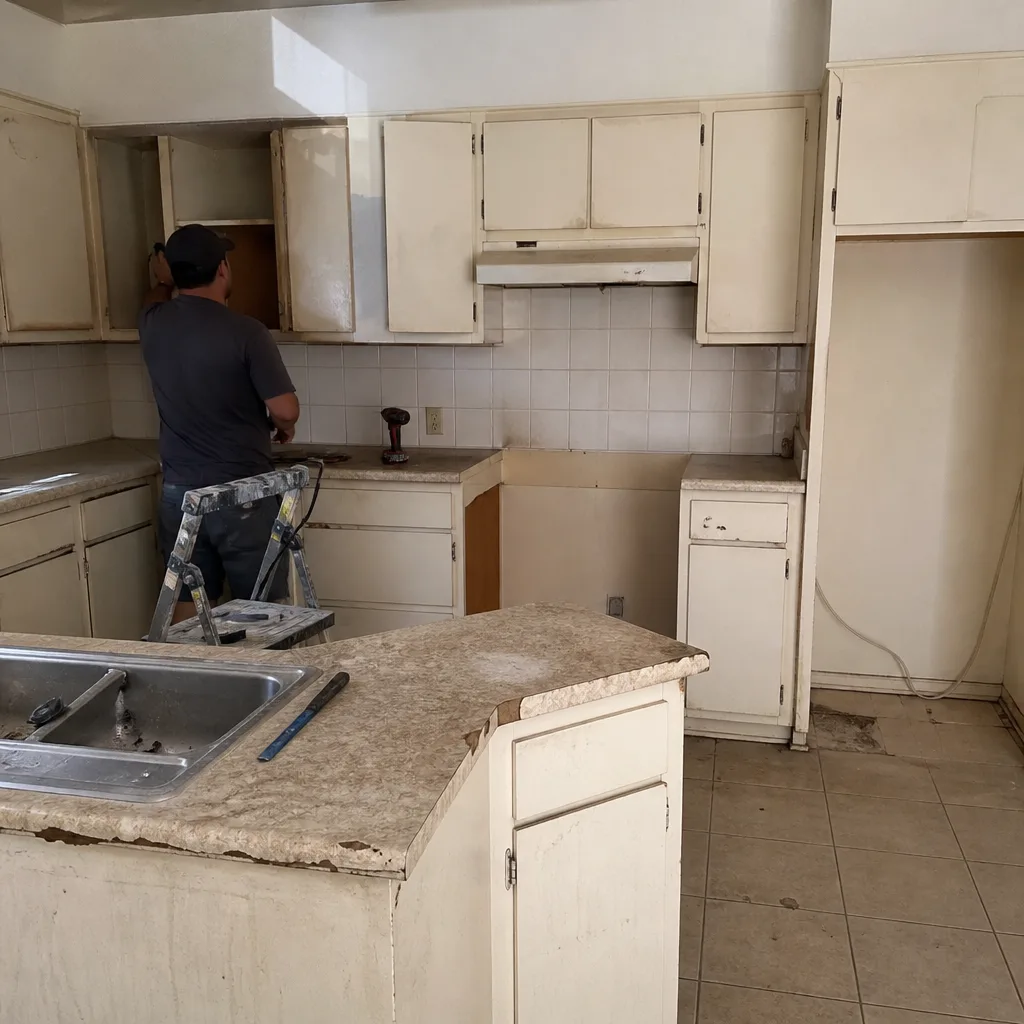 Before
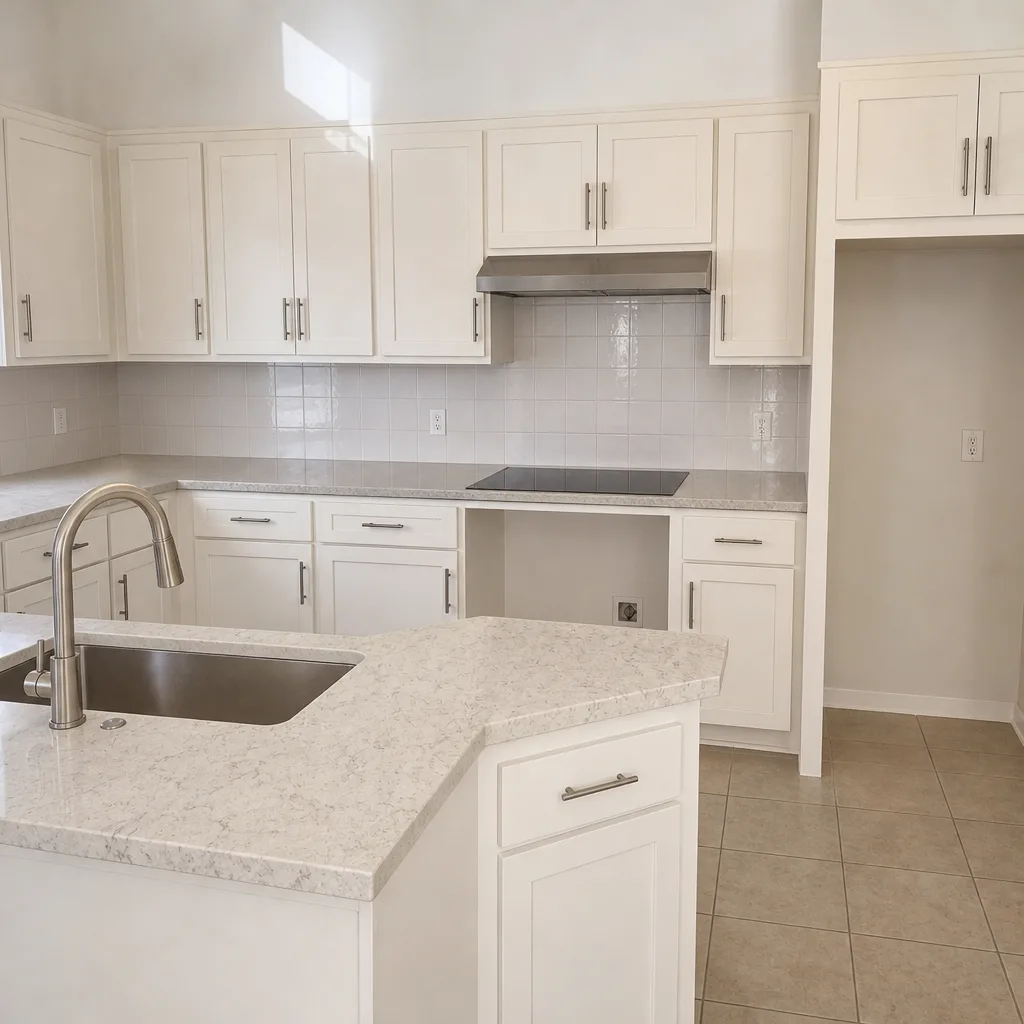 After
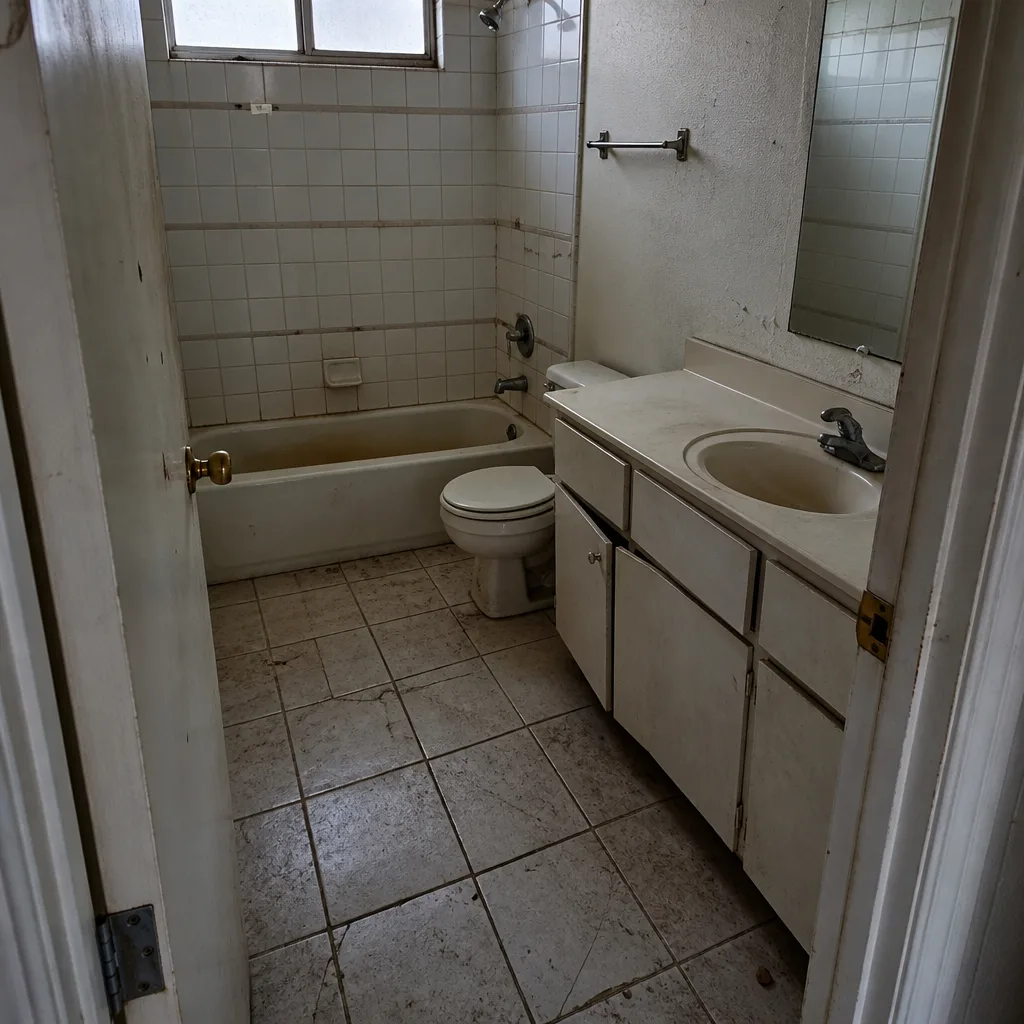 Before
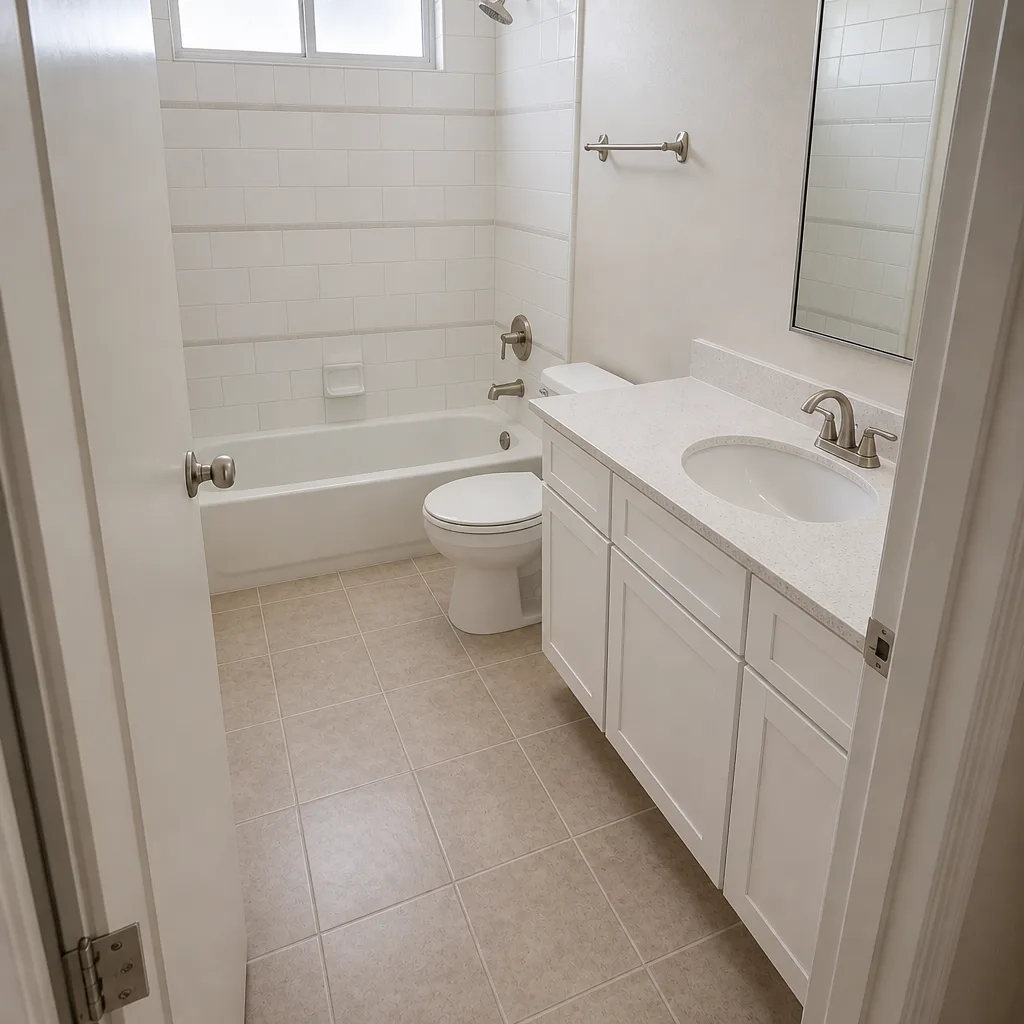 After
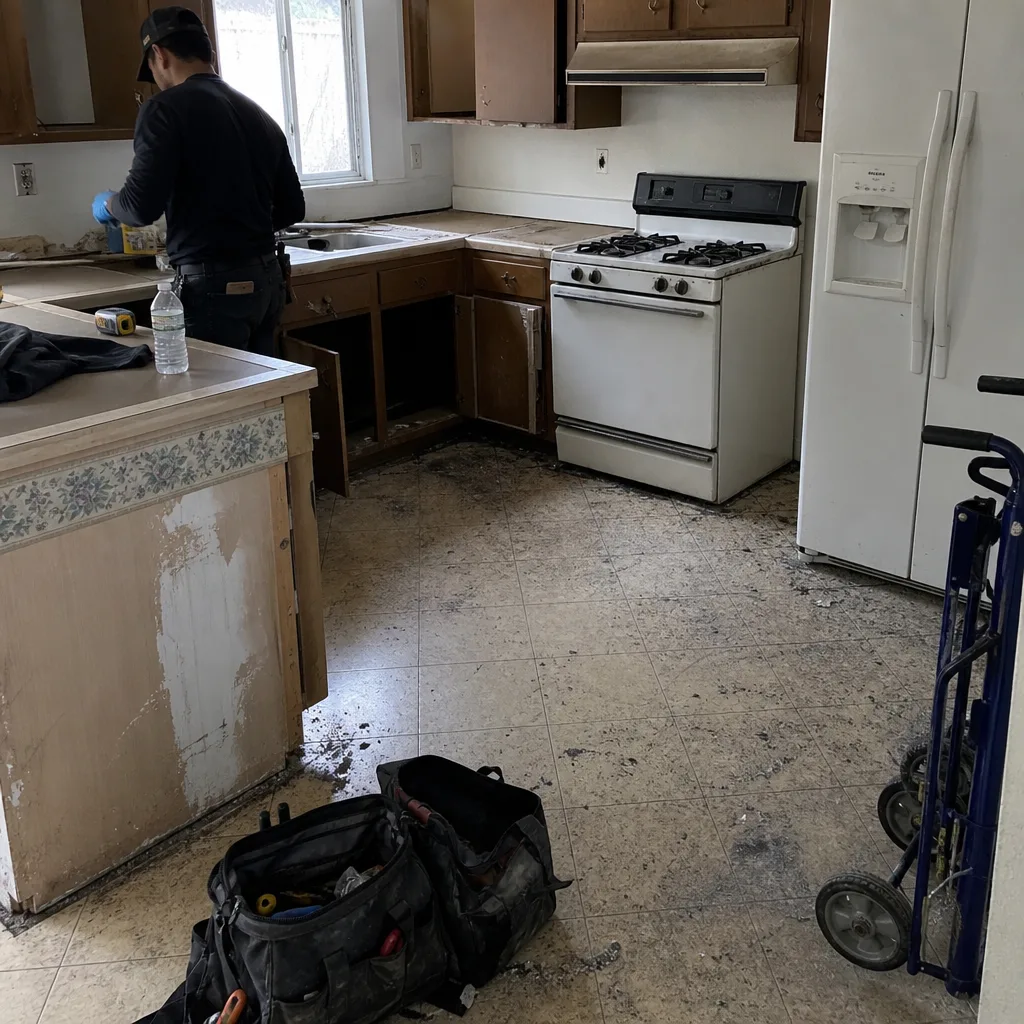 Before
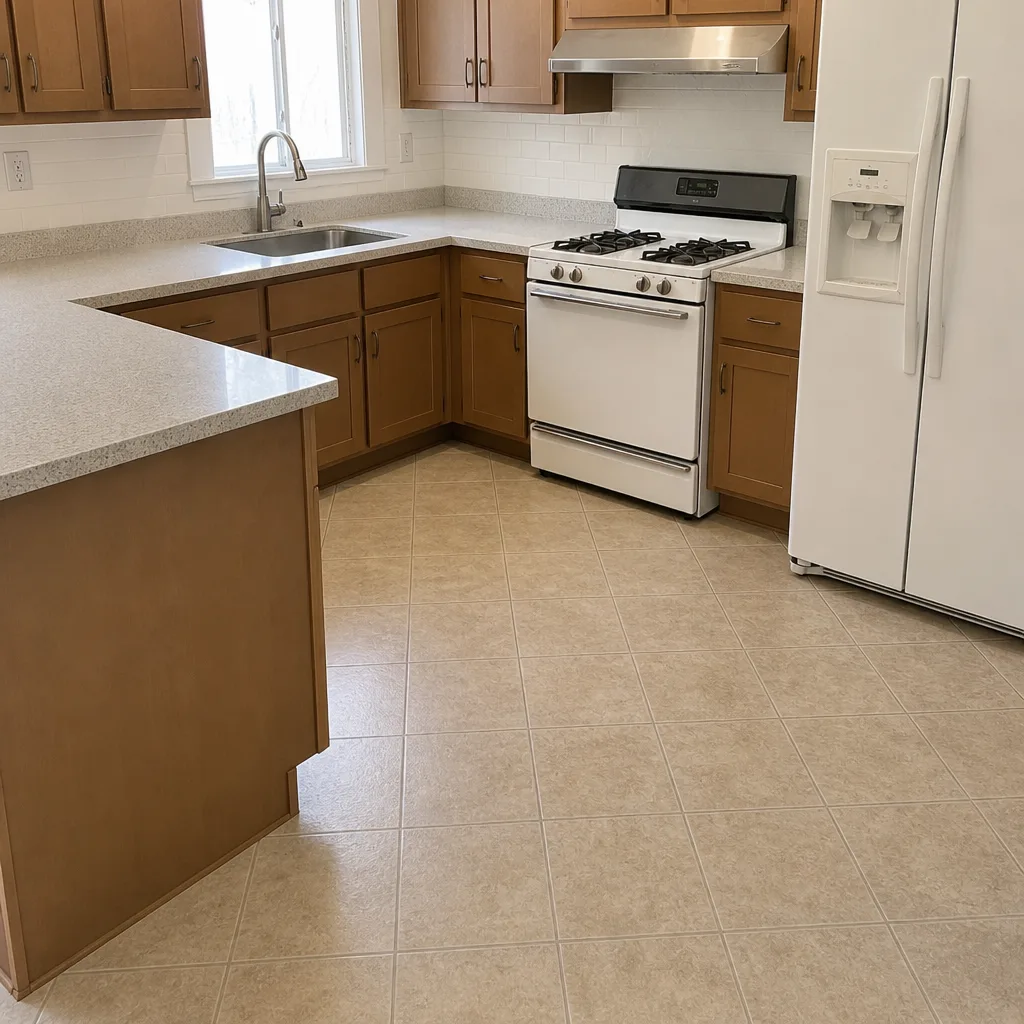 After