Last updated November 17, 2026



Free written scope consultation - allowances, timeline, and change-order rules on paper before a single trade is scheduled
DIY vs Professional Construction: The Summerlin Homeowner’s Decision Guide
In Clark County, unpermitted work done by a homeowner on their own property is legal – until they sell, rent, or file an insurance claim. That’s when the liability shifts onto the homeowner who pulled the work. The repair you handled on a Saturday feels like a win until a buyer’s inspector flags it or an adjuster asks for the permit number. Nevada’s owner-builder exemption protects your right to work on the house you live in. It does not protect you from what happens afterward. This guide covers what Nevada actually allows you to do yourself, how Summerlin’s HOAs watch construction activity, which jobs fail fastest in desert heat, and how to run the real cost comparison. By the end, you’ll know which projects belong on your weekend list and which belong with a licensed contractor.
Quick Answer
In Summerlin, most cosmetic work – interior paint, cabinet hardware, landscaping inside your wall – is a reasonable DIY call. Anything that touches structure, electrical, plumbing, or the exterior envelope should go to a licensed contractor, and in many cases Clark County and Summerlin’s HOA architectural review committee will require it anyway. The three factors that make the decision aren’t your skill level: they’re permit exposure at sale, HOA enforcement risk during the build, and how fast desert temperature swings break work done outside manufacturer specs.
Styles & brands we work with
- Kitchen remodeling
- Bathroom remodeling
- Home additions & ADU
- Roofing
- Windows & doors
- Driveway & pavers
- Fence
Table of Contents
- What Nevada Law Actually Allows You to Do Yourself
- How Summerlin HOAs Enforce Construction Rules
- Desert Climate Failure Points Most DIYers Miss
- The Real Cost Comparison, Structured Honestly
- Three Projects Where DIY Makes Sense
- Three Projects Where Professional Hire Wins on Risk
- How Permits and Inspections Actually Work in Summerlin
- Common Mistakes to Avoid
What Nevada Law Actually Allows You to Do Yourself
Nevada’s owner-builder exemption is narrower than most homeowners assume. The state allows a homeowner to pull permits and perform work on a residential property they own and will occupy themselves. You can build a patio cover, remodel your own kitchen, or add a bathroom, provided you’re doing the work yourself, you’re living in the home, and you don’t sell or rent it for at least a year after the work is signed off. That last condition is the one that catches people.
What the exemption does not cover:
- Work performed on a property you intend to sell within a year of completion
- Work performed on a rental you own but don’t occupy
- Any structural, electrical, or gas work performed by someone other than a licensed contractor
- Work above a certain valuation threshold, which triggers additional engineering and inspection requirements
- Any work on property inside an HOA that hasn’t cleared architectural review
When a homeowner sells a property that had owner-builder work done, the disclosure statement has to be filed. Most buyers’ agents in Summerlin and the surrounding villages will require a permit history before removing contingencies. An unpermitted addition shows up on the county assessor’s records as an inconsistency, and a buyer’s lender can refuse to fund on that basis alone. In our experience, the sale of an unpermitted remodel costs the seller somewhere between $8,000 and $25,000 to either permit retroactively or demolish and rebuild. The “savings” from doing it yourself rarely survives that math. If you’re weighing a full renovation against a smaller set of repairs, our Bradford Remodeling Co Summerlin home page lays out the scope categories we handle most.
How Summerlin HOAs Enforce Construction Rules
Summerlin is governed by a layered review structure. The Summerlin Council and individual village associations each have their own architectural review committee (ARC) with separate submittal requirements, and both must approve most exterior and structural work before a single nail goes in. Interior-only work that doesn’t touch plumbing, electrical, or structure is generally exempt, but “generally” is doing a lot of work in that sentence. Read your village’s CC&Rs before you buy materials.
What the ARC process actually requires:
- A completed application with site plan and elevation drawings, or manufacturer spec sheets for smaller projects
- Material and color samples that match the approved palette for the village
- Contractor information and proof of licensure for any work being performed by someone else
- A review timeline that runs roughly 30 to 45 days in most villages, longer in some of the newer ones
- A post-construction inspection by the compliance officer to confirm the work matches what was approved
Fines for work started without ARC approval vary by village, but they typically start around $250 per day for the violation and can escalate to several thousand dollars if the work has to be reversed. Neighbors report unapproved construction quickly, because a stucco patch that doesn’t match the village palette is visible from the street. In our experience working Summerlin, the most common HOA issue we see is a homeowner who pulled a permit for a patio cover but never submitted it to the village ARC, and the county inspector signs off while the HOA files a violation the same week. If you’re considering a new build or an addition that might cross into manufactured construction territory, brands like Dvele and Plant Prefab offer factory-built panels that still need full Summerlin review, and the panel specs usually help the submittal move faster.
Desert Climate Failure Points Most DIYers Miss
Desert climate punishes work done outside manufacturer specs, and it does it fast. Stucco, exterior paint, and thinset mortar all have temperature windows written into their product data sheets. When those windows are ignored, the work looks fine for one season and fails in two. The same job done in a mild climate gets more slack. Summerlin doesn’t offer that slack.
Where we see DIY desert failures most often:
- Stucco patching. Patch stucco applied above 100°F cures too fast, cracks at the bond line, and pulls away from the lath within a year. The repair then requires removing the failed section, which is more work than the original job. There’s a reason stucco work is usually scheduled in the cooler months.
- Tile and thinset. Thinset that dries too quickly during a Summerlin July loses bond strength before the tile sets. The first sign is a hollow sound underfoot, then cracked grout, then loose tile. Doing tile work in late spring or early fall avoids the problem. Doing it in August in a garage stored with 105°F ambient air does not.
- Exterior paint. Paint applied to stucco still curing can blister, and paint applied above the manufacturer’s maximum surface temperature won’t form a proper film. The result is peeling within 18 months on sun-facing walls.
- Expansion joints. Desert temperature swings move concrete and hardscape roughly twice as much as in a stable climate. DIY paver installs that skip proper joint spacing heave in year two.
- Substrate moisture. Kitchen and bath tile work set over moisture-reading substrates – freshly patched drywall, a repaired slab – fail differently than the same work over a properly dried surface. Pros meter the substrate before they set.
None of this means DIY always fails. It means the margin for error shrinks considerably in Summerlin’s climate, and manufacturer warranties don’t cover installations outside spec. Most manufacturers won’t honor a claim if the install temperature wasn’t in range. If you’re planning tile or hardscape work where a failure would cost real money, our kitchen remodeling and bathroom remodeling scope pages walk through how we schedule around desert temperature windows.
The Real Cost Comparison, Structured Honestly
The DIY-versus-professional math is not just materials versus labor. A homeowner who does their own tile work saves the labor line, then pays for tools, mistakes, and the redo. The honest comparison puts everything in the same column, including the cost of risk. Here’s the structure we recommend:
- DIY materials: the actual product cost, plus 15-20% waste for cuts and breakage on tile, lumber, or stucco
- Tools: buy or rent. A wet saw rental runs $60-$90 per day; buying one runs $300-$600. Most homeowners never use it a second time.
- Permit exposure: $400-$1,500 for a properly pulled permit, plus potential fines of $250 per day or more if work is done without it and the HOA or county catches up
- Redo cost: the cost of tearing out and re-doing the work, which averages 60-80% of the original cost when the failure is partial
- Licensed contractor price: a written number before work starts, permits pulled and inspections passed, materials traceable to manufacturer specs, and a written guarantee
The DIY number often wins on small projects and loses badly once things fail. A homeowner who tiles their own bathroom and gets a hollow bond in 25% of the floor pays the material cost twice, buys tools once, and still hires a pro to fix it. A homeowner who hires for the same job gets a written line-item price and a documented scope, which is the thing we put in writing through The Garrison Standard before any work starts. That’s not a marketing statement. It’s the framework Bradford operates under: the price is fixed before the first tool comes out, and if the work fails inside the 365-Day Done Right Promise window, we come back and correct it at no charge.
Three Projects Where DIY Makes Sense
Not every project in Summerlin needs a contractor, and we’d tell you that directly even though we’re the one you’d hire. Three categories where the math and the risk both favor the homeowner:
- Interior painting in rooms without plumbing, electrical, or structural work. No permit required, no HOA review, and the failure modes are cosmetic. Prep is the whole job. A properly prepped interior repaint holds for years in Summerlin’s dry air.
- Cabinet hardware, fixtures, and lighting swaps. Replacing a faucet of the same type, swapping a light fixture on an existing circuit, or replacing cabinet pulls is a reasonable homeowner call in most villages. Disclose electrical swaps on your sale disclosure if the circuit was modified.
- Landscaping inside the rear property wall. Switching out plantings, laying mulch, or building a low garden bed inside the back wall usually doesn’t trigger ARC review in most Summerlin villages, provided you aren’t changing grading, drainage, or hardscape. Check your village CC&Rs first. New hardscape or anything that changes water flow usually does trigger review.
These are the projects where a botched job costs you a weekend, not a disclosure form. If the work will show up at sale, affects how water drains off the lot, or touches anything that has a permit pathway, the calculation changes.
Three Projects Where Professional Hire Wins on Risk
Three categories where the permit, warranty, and liability exposure make the licensed route the lower-risk choice regardless of your skill level:
- Anything structural. Load-bearing wall removal, header installation, and additions require engineered plans, county review, and inspection at multiple stages. Owner-builder permits are allowed, but the inspection failure rate on first-time structural work is high, and the buildback cost is severe. This is the single highest-liability category.
- Electrical panel work, gas line work, and any rough-in behind a wall. Nevada restricts gas work to licensed plumbers, and insurance claims after a fire or gas leak start with a licensure question. A written guarantee and documented licensing matter more here than anywhere else.
- Exterior envelope work on stucco, roofing, or windows. Summerlin’s climate and HOA palette rules make exterior work the intersection of the two biggest risks: fast failure outside manufacturer temperature windows, and visible non-compliance on the street. GAF roofing products, James Hardie siding, and Therma-Tru door systems have documented install specs and manufacturer warranties that require licensed installation. Once installed outside spec, the warranty is void.
These are the three categories where the permit trail follows the house long after the work is done. Professional hire wins not on skill margin but on the paperwork trail: signed scope, pulled permit, passed inspections, documented materials, and a written guarantee that transfers with the job. Bradford’s 365-Day Done Right Promise is the specific commitment behind that paperwork: if work fails within the guarantee period, we come back and fix it at no charge, and the guarantee is in your hand at close of job. Background-checked, uniformed technicians show up on every job, and a live person answers our phone 24/7, not a voicemail queue. Call (844) 588-0072 to schedule a free estimate.
How Permits and Inspections Actually Work in Summerlin
Clark County issues the permits, but Summerlin’s villages add a layer on top, and the two processes need to run in parallel, not one after the other. Here’s the sequence that avoids the two-week gap between county sign-off and HOA inspection that turns into a violation letter:
- Approval pathway first. Determine whether your village ARC requires review before the county permit. If yes, submittal goes in first, and the county application references the ARC approval number.
- County permit application. Plans, contractor license, and scope of work. Structural and addition work requires engineered drawings stamped by a Nevada-licensed engineer.
- Pre-construction meeting with your contractor. Scope, timeline, and inspection checkpoints written into the contract. Nothing verbal.
- Rough-in inspections. Frame, electrical, plumbing, and mechanical inspections happen at specific points. Skipping them means re-opening walls later.
- Final inspection and HOA post-construction walk. The county signs the final on the permit, and the HOA compliance officer confirms the build matches the approval. Both must close.
The single most common delay we see in Summerlin is a county permit that was issued correctly while the ARC submittal never ran, because the homeowner assumed the permit was the only approval needed. It wasn’t. Both gates have to close. Experienced technicians who have run this sequence repeatedly will tell you the same thing: schedule the HOA walk the day after the county final, not two weeks after. If you need a scope check before a county or village submittal, our general contractor page describes the permit-to-close process we use on remodel projects.
Common Mistakes to Avoid
- Assuming the county permit satisfies the HOA. It doesn’t. Every Summerlin village has its own review process, and the two approvals are separate. Both are required before work begins.
- Tiling or patching stucco in the middle of summer. Thinset and stucco applied outside manufacturer temperature windows fail faster here than in a mild climate. The work looks fine for a season and cracks in year two.
- Pulling an owner-builder permit on a property you plan to sell within a year. Nevada’s owner-builder exemption requires owner-occupancy for at least a year after completion. Sale inside that window can trigger disclosure obligations and lender refusal.
- Skipping the substrate check before tile or flooring work. Desert humidity swings make a freshly patched wall read as dry before it is. Moisture readings taken before setting product prevent the redo.
- Buying exterior products without checking the village palette. A stucco patch that doesn’t match the approved color is visible from the street. Reversal costs more than the original work.
- Accepting a verbal scope from a contractor. No written line-item scope and no written price before work starts means no way to verify completion at close. Put it in writing, every time.
- Forgetting that manufacturer warranties require licensed installation. GAF, James Hardie, and Therma-Tru products carry warranties that require licensed, documented installation. Once installed outside spec, the warranty is void.
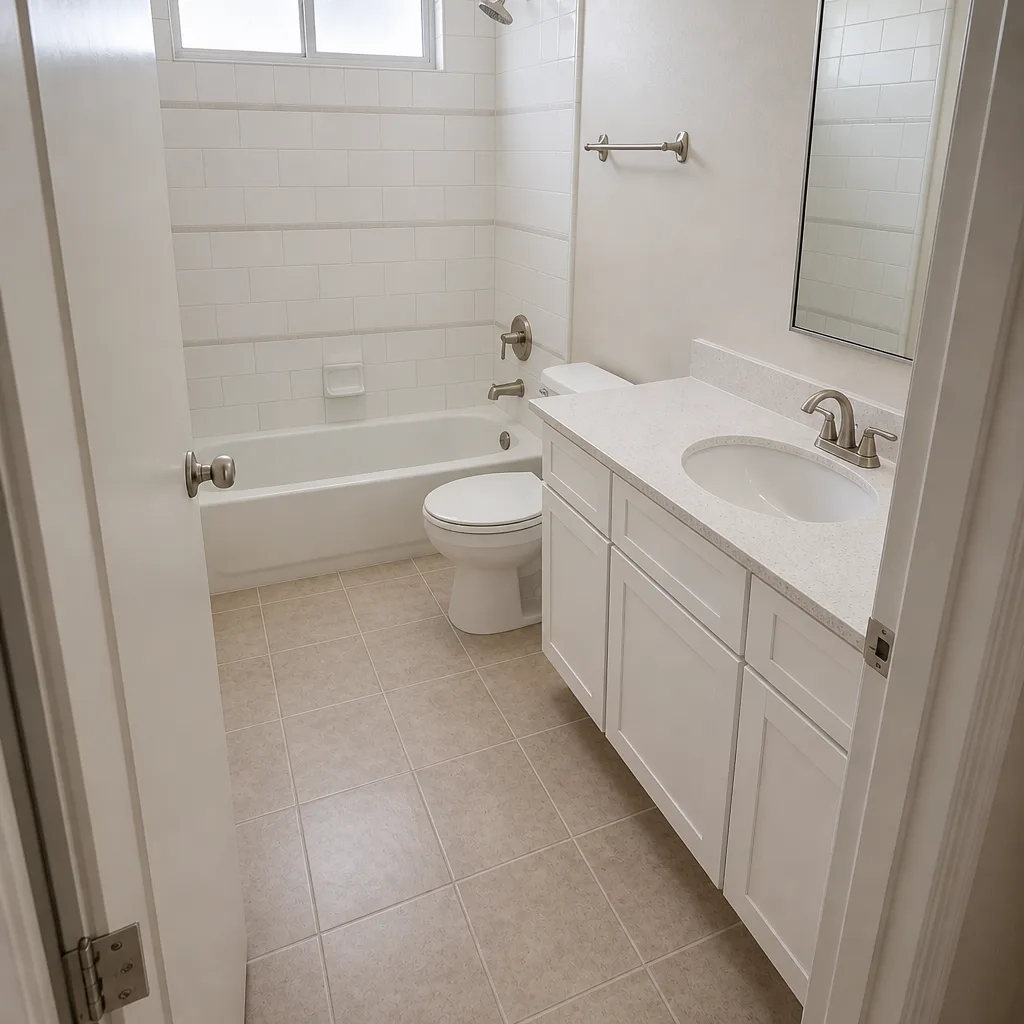
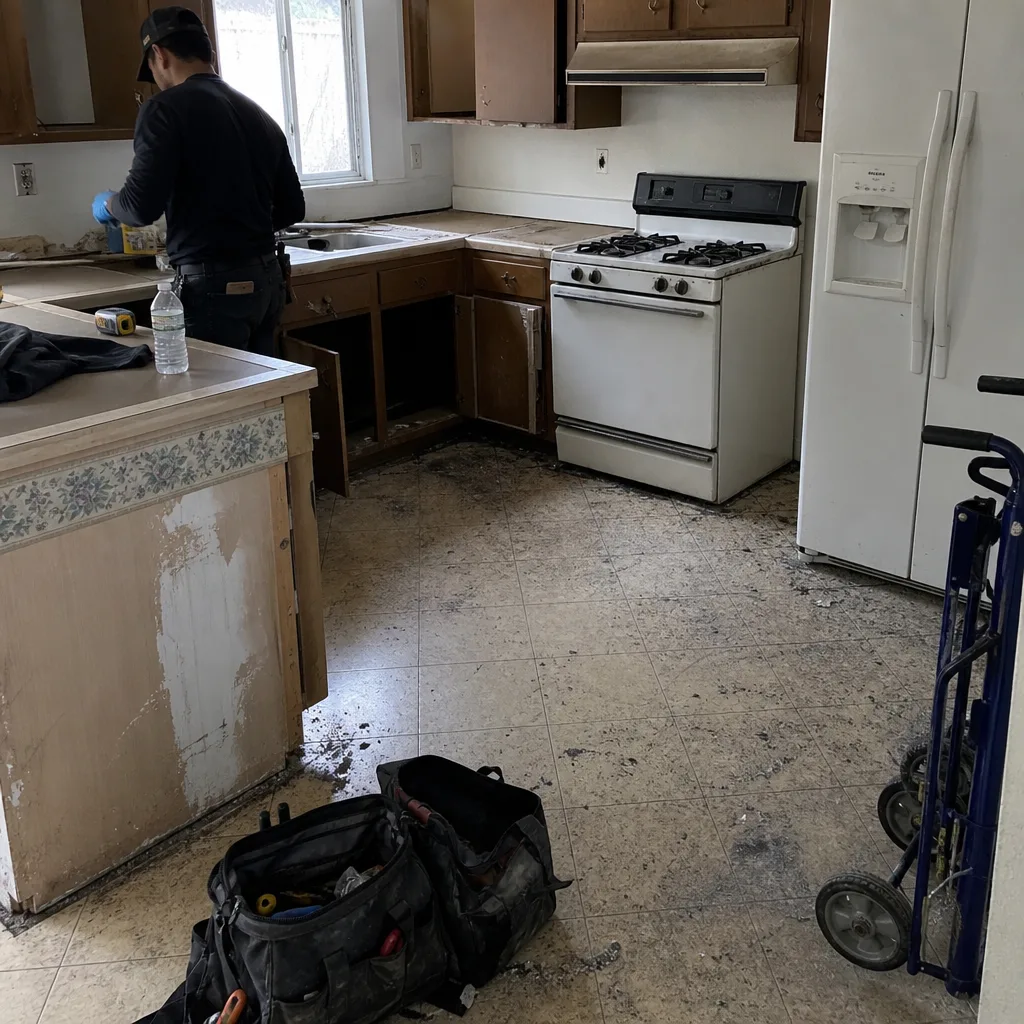
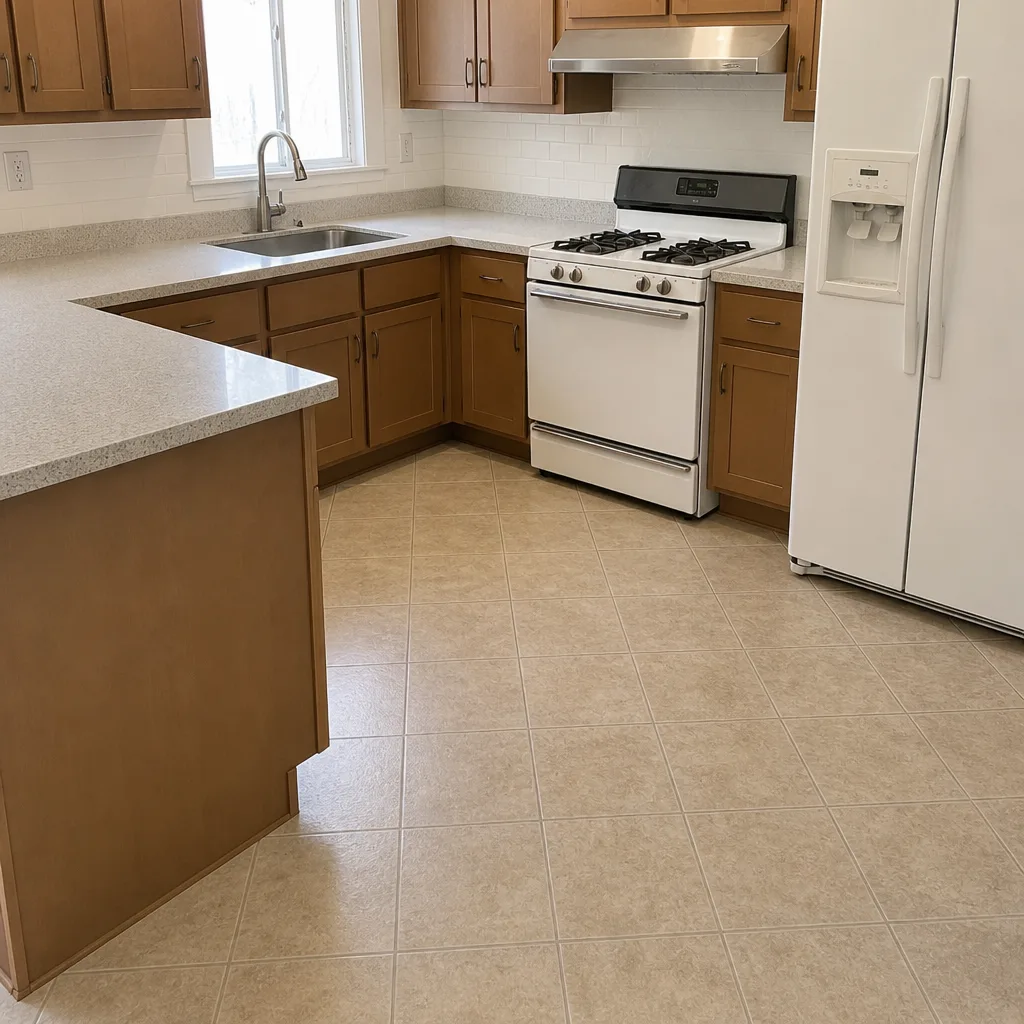
See the difference
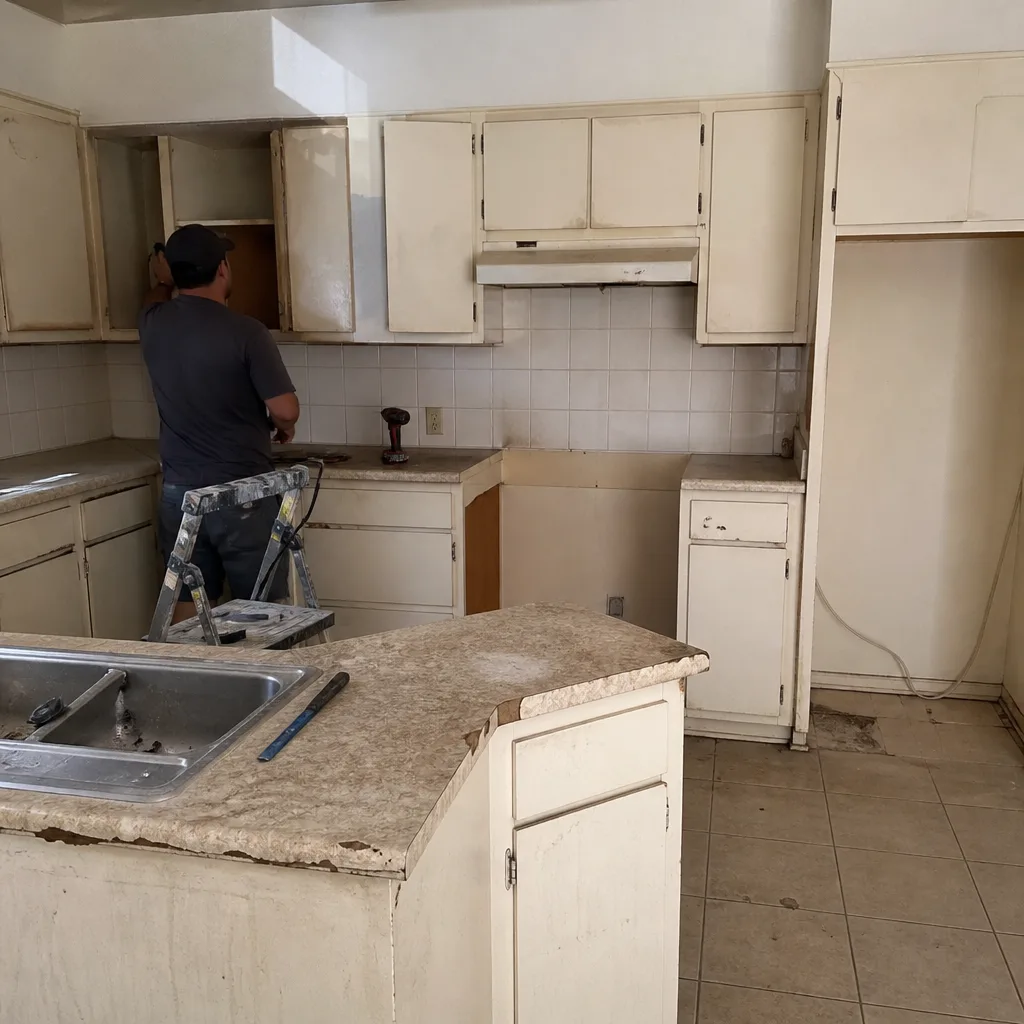 Before
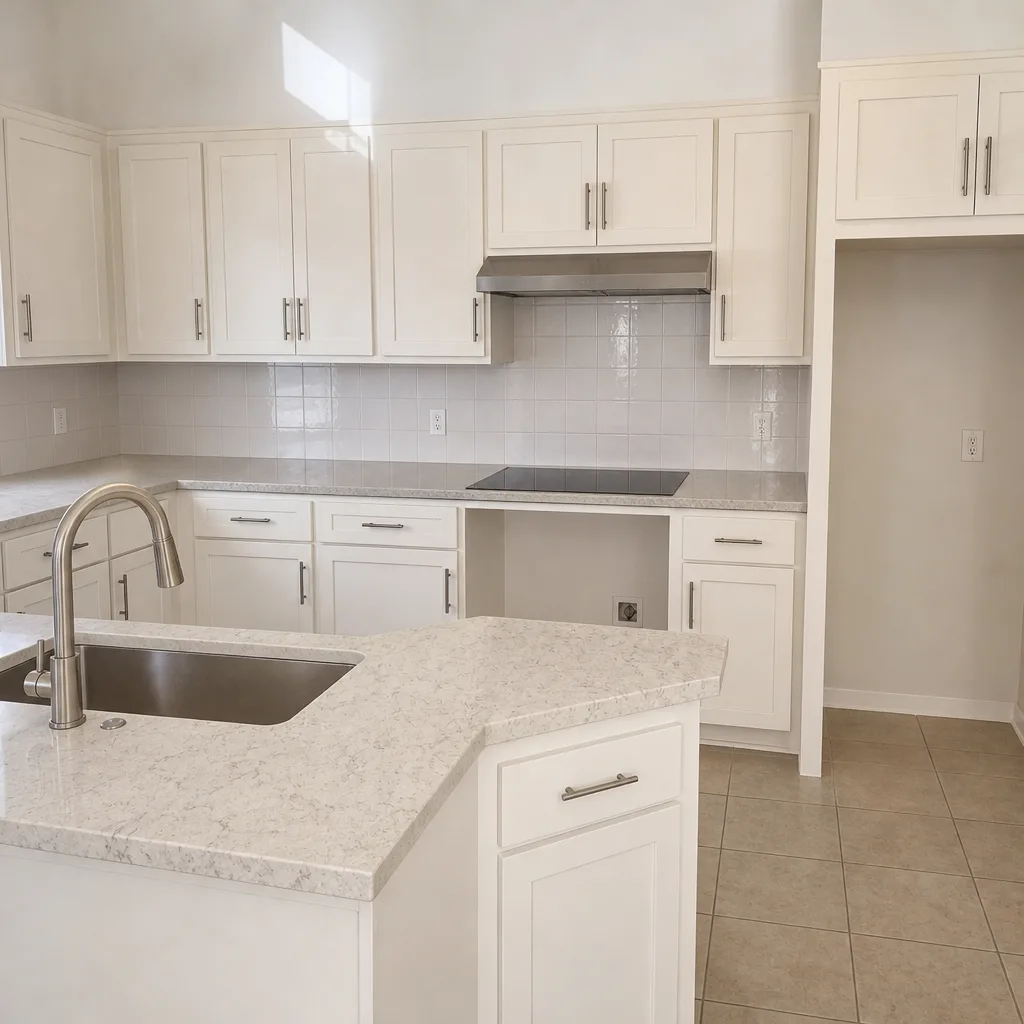 After
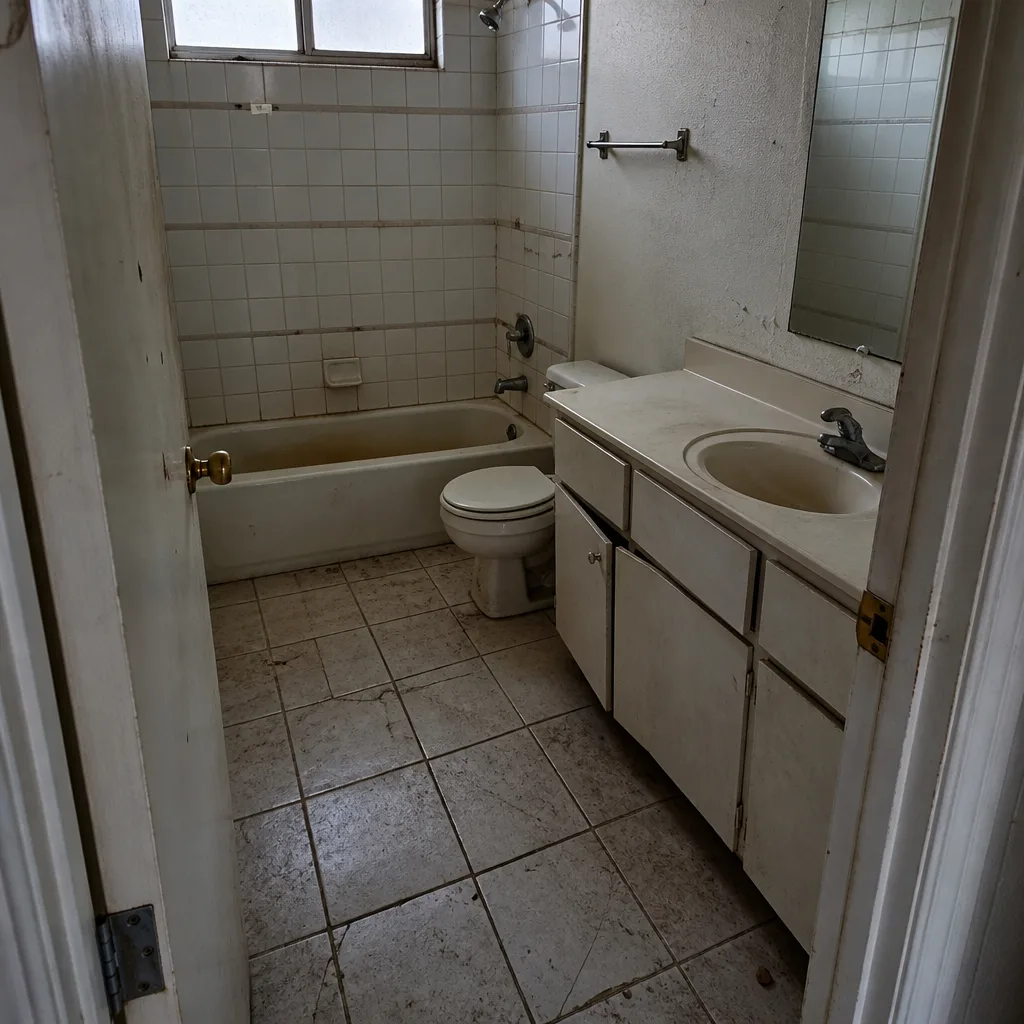 Before
 After
 Before
 After
When to Call a Professional
The line is clearer than most homeowners expect. Call a licensed contractor when the work touches structure, gas, electrical panels, plumbing rough-in, or the exterior envelope, and when the project will show up at sale, insurance, or refinance. Call when the HOA needs drawings the county permit process doesn’t produce. Call when the temperature windows during the planned build window are outside the manufacturer’s spec, which in Summerlin rules out exterior stucco, exterior paint, and unshaded tile work for most of June through August. Call when a failure in the work would cost more than the work itself. Bradford Remodeling Co Summerlin offers free estimates in Summerlin. Estimates are written, line-item, and no-pressure. Call (844) 588-0072 to schedule one.
Frequently Asked Questions
Yes, with conditions. Nevada’s owner-builder exemption allows a homeowner to pull permits and perform work on property they own and will occupy, provided they plan to live there for at least a year after completion. It does not cover rental properties or work on homes being sold within that window, and it doesn’t override Summerlin’s HOA architectural review requirements. HOA review is a separate approval you still need for most exterior and structural work. Call (844) 588-0072 if you’re not sure where your project lands.
The permit history follows the house. Unpermitted work typically surfaces during a buyer’s inspection or in the disclosure process, and the seller is responsible for permitting retroactively or reversing the work. In our experience, retroactive permitting or rebuild on an unpermitted remodel in Summerlin costs the seller $8,000 to $25,000 depending on scope. Some lenders will also refuse to fund on a home with unresolved permit issues. Call (844) 588-0072 for a free estimate on completing the work correctly.
Yes. Summerlin’s village associations enforce architectural review committee approval separately from county permitting, and fines for work started without ARC approval usually start around $250 per day and escalate to several thousand dollars if the work must be reversed. Neighbors report visible non-compliance quickly, and a stucco patch that doesn’t match the village palette is visible from the street. Both approvals, county and HOA, need to be in hand before work starts. Call (844) 588-0072 to schedule a free estimate if you’re planning work that might need review.
Desert temperature swings and rapid drying affect thinset and grout curing in ways a mild climate doesn’t. Thinset applied above the manufacturer’s recommended maximum temperature loses bond strength before tile sets, and the first sign is a hollow sound underfoot that leads to cracked grout and loose tile. Manufacturer warranties don’t cover installations outside temperature spec, so the warranty is void when the failure comes. Scheduling interior tile work into cooler months is the fix, which is why professional installs in Summerlin usually plan around that calendar. Call (844) 588-0072 for a free estimate.
Two separate processes. Clark County issues the building permit and handles inspections. Each Summerlin village’s architectural review committee handles design, materials, and palette approval, and reviews the site plan or elevation drawings. Both must be obtained before work begins. A homeowner who pulls the county permit correctly but never submits to the ARC ends up with a violation letter the same week the county signs off. Building the two processes in parallel, rather than sequentially, avoids the two-week gap that most commonly causes the violation. Call (844) 588-0072 if you’d like a check on the process before you submit.
Often, yes. GAF roofing products, James Hardie siding, and Therma-Tru doors all have installation requirements written into their manufacturer warranties that require licensed or certified installation. Once installed outside spec, the warranty is void. That includes installation temperature windows, moisture readings on the substrate, and flashing details, all of which matter more in Summerlin’s climate than in a mild one. The manufacturer’s spec sheet is the document that governs, and it’s the reason documented brands with manufacturer warranties back a licensed install. Call (844) 588-0072 to schedule a free estimate on an install that keeps the warranty intact.
The Bottom Line
The DIY-versus-professional decision in Summerlin comes down to three factors: permit exposure at sale, HOA enforcement risk during the build, and desert climate failure modes that hit work done outside manufacturer specs. Interior paint, fixture swaps, and landscaping inside the back wall are reasonable DIY calls. Structural work, panel and gas work, and the exterior envelope belong with a licensed contractor for permit, warranty, and liability reasons. The real cost comparison puts materials, tools, permit risk, and redo cost in the same column, and once you run it honestly the math is usually closer than the DIY pitch suggests. Bradford Remodeling Co Summerlin works to The Garrison Standard: written price before work starts, permits pulled and inspections passed, and the 365-Day Done Right Promise on every completed project. Our technicians have up to 22 years of experience, and the brands we install include KraftMaid cabinetry, Cambria surfaces, Kohler and Moen fixtures, GAF roofing, James Hardie siding, and Therma-Tru doors. Bradford is part of the Garrison Partners family, established in 2004, and each location is independently owned and operated under that standard.
Contact
The fastest way to make the decision is a written number. Call (844) 588-0072 for a free estimate. We’ll walk the project with you, put the scope and the price in writing, and tell you straight which parts are worth doing yourself and which parts aren’t. Estimates are free, the price doesn’t move after it’s in writing, and a live person answers the phone any time of day. If you’re still mapping out the broader scope of a Summerlin remodel, the bathroom remodeling scope page is a good next read.
Written by the team at Bradford Remodeling Co Summerlin.