Last updated November 17, 2026



Free written scope consultation - allowances, timeline, and change-order rules on paper before a single trade is scheduled
The Complete General Contractor Guide for Summerlin Homeowners
Most general contractors in the Las Vegas Valley quote a Summerlin project before they’ve confirmed which building department has jurisdiction over the address. That single mistake delays starts by three to six weeks more often than any material shortage or subcontractor backlog we’ve seen. Summerlin straddles two permit pipelines, sits under some of the strictest HOA architectural review in Southern Nevada, and its housing stock spans 1990s production builds to new custom homes on the ridgeline. This guide walks through the exact sequence to hire a general contractor in Summerlin, with the paperwork milestones named at each step so nothing gets built on a verbal promise.
Quick Answer
Hiring a general contractor in Summerlin means four things in order: confirming whether your address falls under Clark County or City of Las Vegas permit jurisdiction, pulling your HOA’s architectural submittal requirements before you sign anything, verifying the contractor’s license status on the Nevada State Contractors Board site, and getting a written scope of work that meets Nevada Revised Statutes Chapter 624. A contractor who can’t produce all four before work starts is a risk, regardless of how good the bid looks.
Styles & brands we work with
- Kitchen remodeling
- Bathroom remodeling
- Home additions & ADU
- Roofing
- Windows & doors
- Driveway & pavers
- Fence
Table of Contents
- Is Your Summerlin Address Clark County or City of Las Vegas?
- What Summerlin HOA Architectural Review Actually Requires
- Licensed General Contractor vs. Owner-Builder Permit in Nevada
- What a Written Scope of Work Must Include
- How to Read a GC’s License in Under Two Minutes
- The Step-by-Step Hiring Sequence for Summerlin
- Summerlin Climate and Geography: What It Does to Your Project
- What “Squared Away” Looks Like at Job Close
Is Your Summerlin Address Clark County or City of Las Vegas?
This is the first question to answer, and it comes before price, before schedule, before anything. Summerlin was developed across a patchwork of unincorporated Clark County land and parcels later annexed into the City of Las Vegas. The two jurisdictions run separate permit pipelines with different submittal portals, different plan review timelines, and different inspection scheduling. A GC who quotes you before checking which one you’re on is guessing.
Here’s how the split tends to break down. Communities on the western and southern edges of Summerlin, including The Ridges and much of Summerlin South, frequently sit on unincorporated Clark County parcels. Closer-in villages like The Trails and Sun City Summerlin more often fall inside City of Las Vegas boundaries. We’ve seen adjacent streets split between the two. The only reliable way to confirm is to enter your address on the Clark County Assessor’s parcel lookup and read the jurisdiction field, or call the county building department directly with your parcel number. Do this before you sign a contract.
Why the jurisdiction gap matters
- Plan review timelines differ. Residential remodels in Clark County and the City of Las Vegas move through separate review queues. A three-week difference in plan check is realistic, and it compounds with any resubmittal.
- Submittal formats differ. The two departments have different drawing standards, different e-permit systems, and different requirements for structural calculations on load-bearing changes.
- Inspection sequencing differs. Rough-in, framing, and final inspections are scheduled through different systems, and a GC with experience in one jurisdiction may be learning the other on your job.
- Contract language should name the jurisdiction. Your written scope should state which building department will issue the permit. If it doesn’t, ask why.
When we write a scope for a Summerlin home, the jurisdiction is on the first page. It’s not a detail; it’s the foundation the rest of the schedule sits on.
What Summerlin HOA Architectural Review Actually Requires
Summerlin’s HOA architecture is layered. The master association (the Summerlin Council) sets broad design guidelines, and most villages add their own sub-association with additional review. A contractor who has only worked in Henderson or North Las Vegas will underestimate this step, and it’s where projects most often lose weeks.
The architectural review package is not just a description of what you want to build. It’s a documented submittal, and a competent GC assembles it before demolition, not after. Here’s what it typically includes:
- Site plan and elevation drawings showing the proposed change in relation to the lot line, existing structures, and any easements.
- Material and color specifications for anything visible from the street or neighboring properties. This matters most on exterior work: paint, roofing, hardscape, block walls, and window replacements.
- Contractor insurance certificate naming the association as additionally insured for the duration of the project. Most villages require general liability and workers’ compensation coverage on file before the crew arrives.
- Construction schedule with defined work windows. Villages routinely restrict heavy noise (demolition, concrete cutting, framing) to specific hours, often 7 a.m. to 6 p.m. weekdays and shorter Saturday windows, with no Sunday work.
- Trash and debris plan. Where the dumpster sits, how long it stays, and how the site is secured at night.
- Approval letter before permit issuance. Most villages require HOA architectural approval in hand before the building department will accept the permit application. That sequencing is a common bottleneck.
Plan on two to four weeks for HOA review on a straightforward exterior change and longer for anything structural or on a view lot. The window from signed contract to first day of demolition is usually dominated by this step, not by the crew’s availability. Our general contractor work in Sandy Valley follows a different rhythm because rural parcels don’t carry the same overlay, which is exactly the point: the location drives the sequence.
Licensed General Contractor vs. Owner-Builder Permit in Nevada
Nevada allows a homeowner to pull an owner-builder permit on their own primary residence without a contractor’s license. The pitch is appealing: skip the general contractor’s markup and manage the subs yourself. In practice, the owner-builder route costs Summerlin homeowners more than it saves far more often than it works.
The problem is the word “primary residence” is load-bearing. An owner-builder permit is valid only for the owner’s own residence, cannot be used to build for resale, and requires the owner to actively supervise the work. Once you pull that permit, you become the responsible party for code compliance, inspections, and worker safety on the site. If a subcontractor you hired walks off the job, that’s yours to sort out. If an inspection fails because a rough-in is wrong, that’s your correction and your resubmittal fee. And the owner-builder exemption does not extend a warranty to anyone, including you, on the work you’ve managed.
There’s also the insurance question. An unlicensed or owner-builder project often voids or limits the homeowner’s policy coverage on the work performed. And when you later sell the home, a buyer’s inspector who sees permits pulled under owner-builder is going to ask harder questions about who did the work and whether it was inspected.
A licensed general contractor carries the liability, pulls the permit in the company name, signs off on the inspections, and provides a written guarantee on the finished work. That last piece is the one that matters when something fails six months later. Bradford Remodeling Co Summerlin backs every completed project with the 365-Day Done Right Promise: a full-year written guarantee, and if the work fails inside that window, we return and correct it at no charge. No owner-builder arrangement offers that.
What a Written Scope of Work Must Include
Nevada Revised Statutes Chapter 624 sets the framework for contractor contracts, and a written scope that doesn’t meet it is difficult to enforce when a dispute arises. The statute’s intent is simple: both parties should know exactly what’s being built, for how much, and on what timeline. A verbal promise doesn’t survive a change order.
A scope worth signing includes these elements:
- Line-item pricing, not a lump sum. Every phase gets a number: demolition, rough framing, plumbing rough-in, electrical rough-in, drywall, finish materials, labor, permit fees. If a proposal gives you one total and a list of vague inclusions, ask for the breakdown.
- Named materials with manufacturer specs. Not “premium cabinets” but the actual product line. We work with KraftMaid and Wellborn cabinetry, Cambria and Caesarstone surfaces, Kohler and Moen fixtures, GAF and James Hardie exterior products, Therma-Tru doors, and Belgard hardscaping, among others, so specifications are traceable and manufacturer warranties attach. A scope that says “tile to be selected” without naming the allowance ceiling is a change order waiting to happen.
- Explicit allowance amounts. If materials are owner-selected, the scope states the dollar allowance per item and how overages are priced. This is where surprise invoices come from.
- Change order procedure in writing. No work proceeds on a change without a signed written change order with its own price. This protects both sides.
- Schedule with milestones and named start criteria. Timelines should state what triggers the start date: permit issued, HOA approval received, materials ordered.
- Payment schedule tied to milestones, not calendar dates. Payments should follow inspection sign-offs and completion of defined phases, not “30% on signing.”
- Warranty terms spelled out. What’s covered, for how long, and how the homeowner requests a correction. The 365-Day Done Right Promise should be written into the contract, not referenced verbally.
- Cleanup and close-out obligations. Who hauls the debris, who patches the drywall, whether the site is left broom-clean.
A written price before any work starts is non-negotiable for us. It’s also the single most reliable predictor of how a project will go for the homeowner.
How to Read a GC’s License in Under Two Minutes
The Nevada State Contractors Board runs a public license lookup at nvcontractorsboard.com. Enter the license number or company name and you’ll get a status page that tells you almost everything you need to know. Here’s what the status codes mean:
- Active: The license is current, the contractor is authorized to contract for work in the listed classifications, and the required bond and insurance are on file. This is what you want to see.
- Inactive: The license exists but the contractor is not authorized to take new work. Hiring an inactive licensee means you’re contracting with someone operating outside their license authority. Do not sign.
- Limited: The license carries a restriction, often a monetary limit on the size of contract the contractor can legally enter. A limited license may be fine for a small job but not for a whole-home remodel. Read the restriction.
- Suspended or revoked: Walk away.
While you’re on the page, check two more things. First, the classification: a Class B general building contractor covers most residential remodel scopes, while specialty classifications cover narrow trades. Second, the bond and insurance status. A licensed contractor must carry a surety bond and workers’ compensation coverage; if either lapses, the license status generally reflects it.
This lookup takes less than two minutes and it’s the step most homeowners skip. We’ve seen bids undercut by thousands on the strength of an unverifiable license. Background-checked, uniformed technicians and a verifiable license aren’t optional extras, they’re the baseline. The Garrison Standard holds every location in the Garrison Partners family to that baseline, and Bradford Remodeling Co Summerlin operates under it independently.
The Step-by-Step Hiring Sequence for Summerlin
Order matters. Doing these steps out of sequence is how projects get delayed. Here’s the sequence we recommend, and the one we follow internally:
- Confirm your permit jurisdiction. Look up your parcel on the Clark County Assessor site and note whether it’s county or city. Call the building department if it’s ambiguous. Do this before you take a single bid.
- Request your village’s architectural submittal packet. Every sub-association has one. Read it before you talk to contractors so you know what documents they’ll need to produce.
- Verify license status on the Nevada State Contractors Board site. Verify every contractor you’re considering, not just the cheapest bid. Print the status page and keep it with your project file.
- Get three written, line-item bids. Compare the line items, not the totals. A low total with vague inclusions is not a low bid.
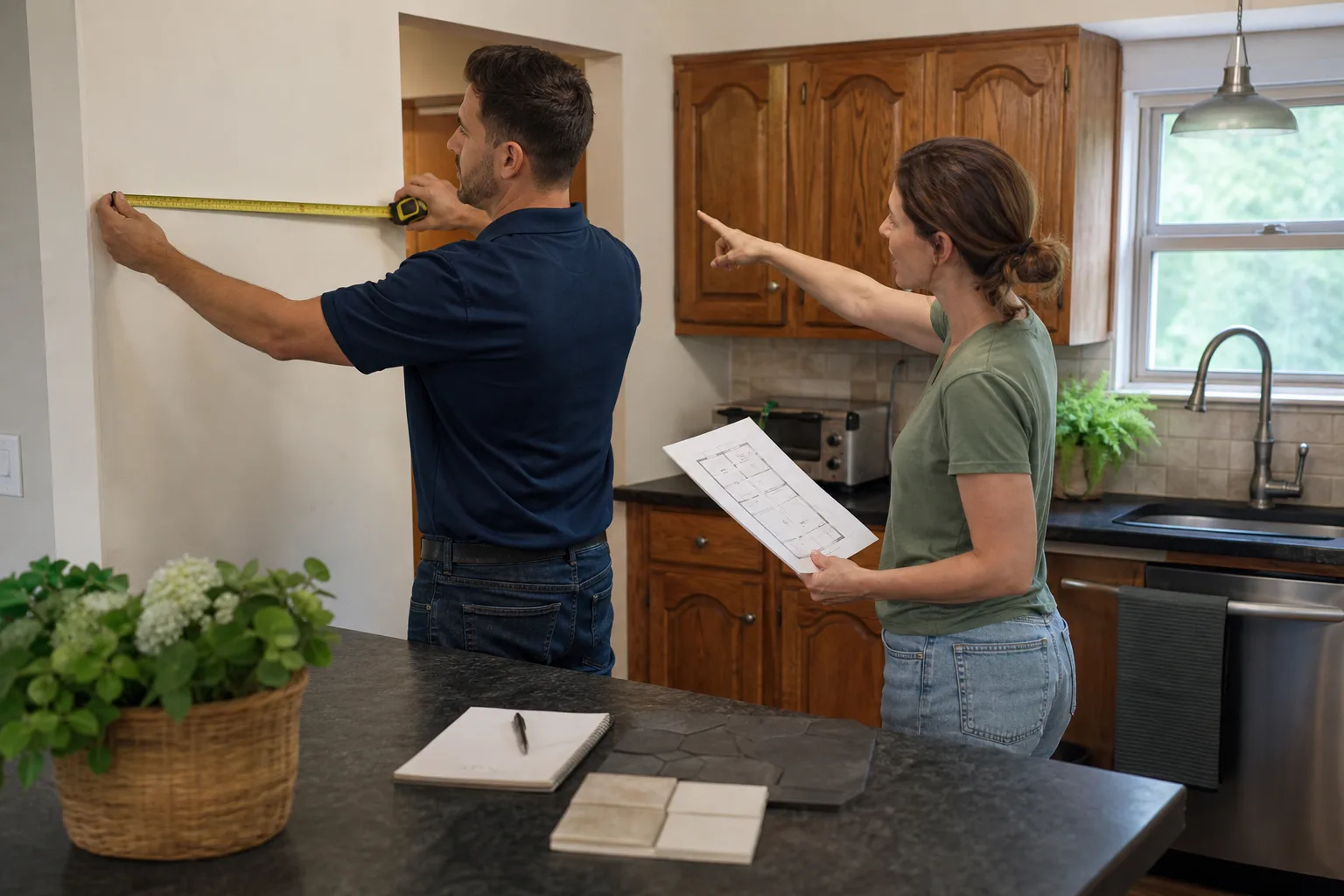
- Interview each contractor on the scope, not the price. Ask how they handle change orders, how they sequence HOA approval against permit submittal, and what their warranty covers in writing.
- Review the contract against NRS 624 requirements. It should name the jurisdiction, include the written scope, and spell out the warranty. If it doesn’t, ask for a revision before signing.
- Submit HOA architectural package. Your GC assembles this, including the insurance certificate naming the association.
- Pull the permit. The permit should be issued in the contractor’s name, not yours. That’s the whole point of hiring a licensed GC.
- Schedule inspections and document each one. Rough-in, framing, and final inspections are milestones. Get copies of the inspection sign-offs.
- Close out with a signed written guarantee in hand. Final walkthrough, punch list completed, debris hauled, and the warranty document signed and dated.
Every step down the list is a document. That’s the discipline that separates a job that closes cleanly from one that drags.
Summerlin Climate and Geography: What It Does to Your Project
Summerlin sits at elevation on the western edge of the valley, and that geography shapes building decisions in ways flatland contractors miss. The community climbs from roughly 2,800 feet near the valley floor to over 3,500 feet in the higher villages, which means temperatures run a few degrees cooler than the Las Vegas Strip and the wind exposure on ridgeline lots is materially higher. Combined with summer highs above 110 degrees and the single-digit humidity, the climate drives a specific set of construction realities.
Roofing and exterior work benefits from GAF and James Hardie products rated for intense UV and thermal cycling; the daily swing from a 110-degree afternoon to a 75-degree night stresses sealants, flashing, and stucco joints over time. We see more fascia and soffit failure on south- and west-facing elevations because of sun loading, and that’s a consideration any exterior scope should address. On hardscape, Belgard pavers set on a properly compacted base handle the thermal expansion better than thin-set tile outdoors, and the difference shows up after a few summers.
Wind is the second factor. Ridgeline and view-lot homes in The Ridges and the higher Summerlin South villages face gusts that will find any weakness in a roof-to-wall connection or a window flashing detail. A scope that doesn’t specify flashing and wind-load details for exterior openings is incomplete for a Summerlin home.
Inside, the dry climate affects wood cabinetry and hardwood. KraftMaid and Wellborn cabinetry installed with proper acclimation and humidity control holds its joints; the same boxes installed in an unconditioned house over the summer can show gaps by the first winter. A competent GC plans acclimation into the schedule.
Kitchens are the most-requested remodel in Summerlin, and the local climate considerations show up in finish selection as much as installation. See our kitchen remodeling in Sandy Valley guide for the allowances and material sequencing we follow there; the climate profile is similar enough that the finish logic carries over. Bathrooms are close behind; bathroom remodeling in Sandy Valley covers the waterproofing details (Schluter systems among them) that matter most on a slab home with limited drainage.
What “Squared Away” Looks Like at Job Close
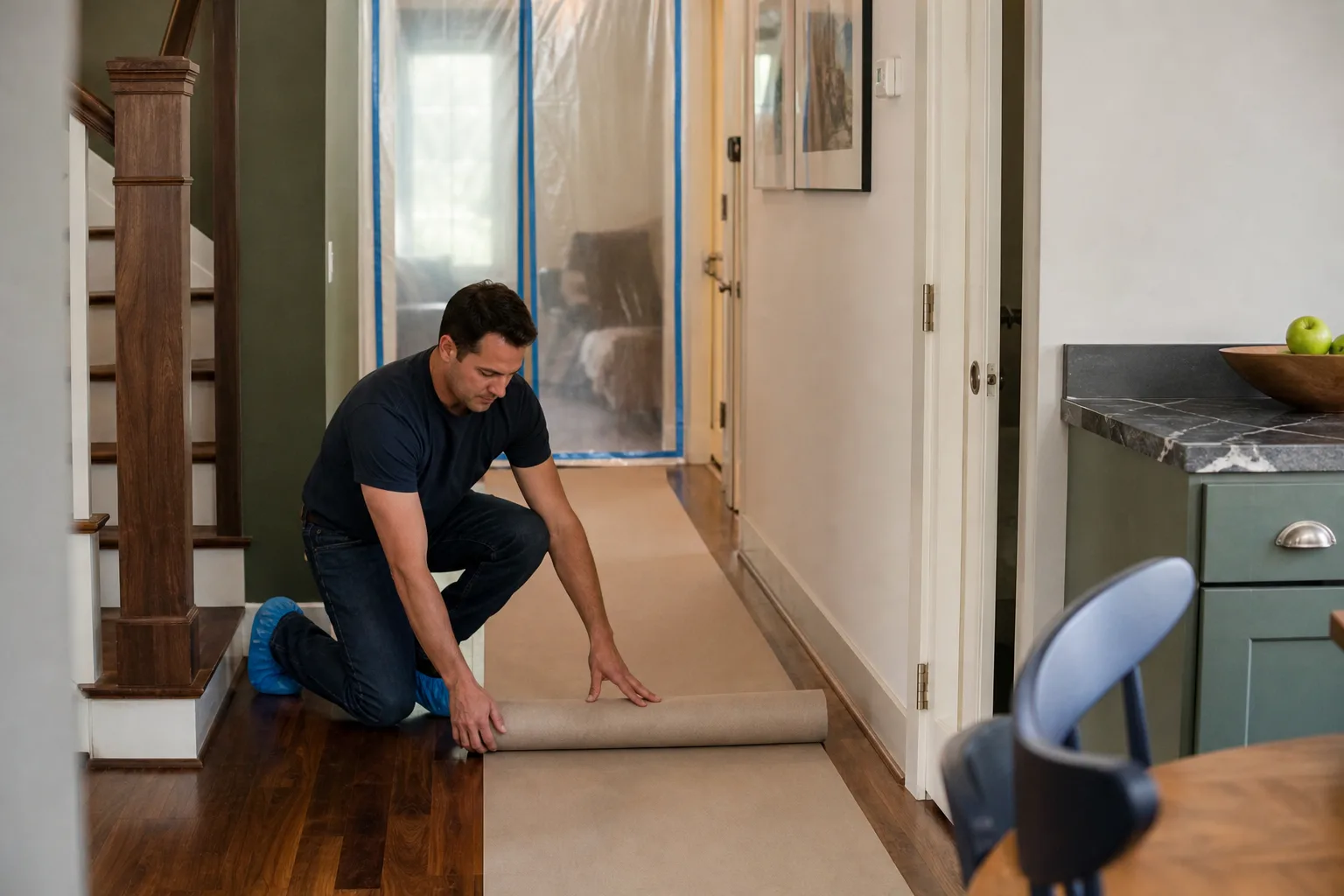
A finished project has three things at the end that a rushed job doesn’t. The first is a clean site: debris hauled, dust wiped down, materials removed, and the space left in a condition you can walk through without a contractor’s help. The second is a documented scope closed out against the signed original, with any change orders filed and priced. The third, and the one that matters most for the homeowner’s protection, is the signed written guarantee in your hand, dated and specifying what’s covered and for how long. Bradford Remodeling Co Summerlin’s 365-Day Done Right Promise puts that guarantee in writing on every project, and if the work fails within the year, we come back and fix it at no charge.
When the close-out is done right, the homeowner isn’t left holding a verbal promise and a stack of unsigned bids. The whole reason a by-the-book contractor exists is to remove that question mark.
Common Mistakes to Avoid
- Quoting before checking jurisdiction. A bid that doesn’t name the building department (Clark County vs. City of Las Vegas) isn’t a bid, it’s a guess. The permit pipeline delay alone can add weeks to your schedule.
- Signing before HOA approval. Many Summerlin homes can’t pull a permit until the village architectural review clears. Signing first and asking later means paying for time you can’t use.
- Pulling an owner-builder permit to save a markup. In Nevada, the owner-builder route makes you the responsible party for code, inspections, and worker safety, and it voids the warranty protection you’d get from a licensed GC. It costs more than it saves on any project larger than a single trade.
- Accepting a lump-sum proposal without line items. A single total with “materials included” hides the allowance structure. You can’t compare bids or hold anyone to a price you can’t see.
- Skipping the license lookup. Two minutes on the Nevada State Contractors Board site tells you whether you’re hiring an active, inactive, or limited licensee. Most homeowners never check.
- Not documenting the warranty terms. “Call us if anything goes wrong” is not a warranty. A written guarantee with a defined period and a defined correction procedure is.
- Ignoring the climate in material selection. Specifying standard exterior products that can’t handle 110-degree thermal cycling or ridgeline wind loads leads to failures well inside a decade.
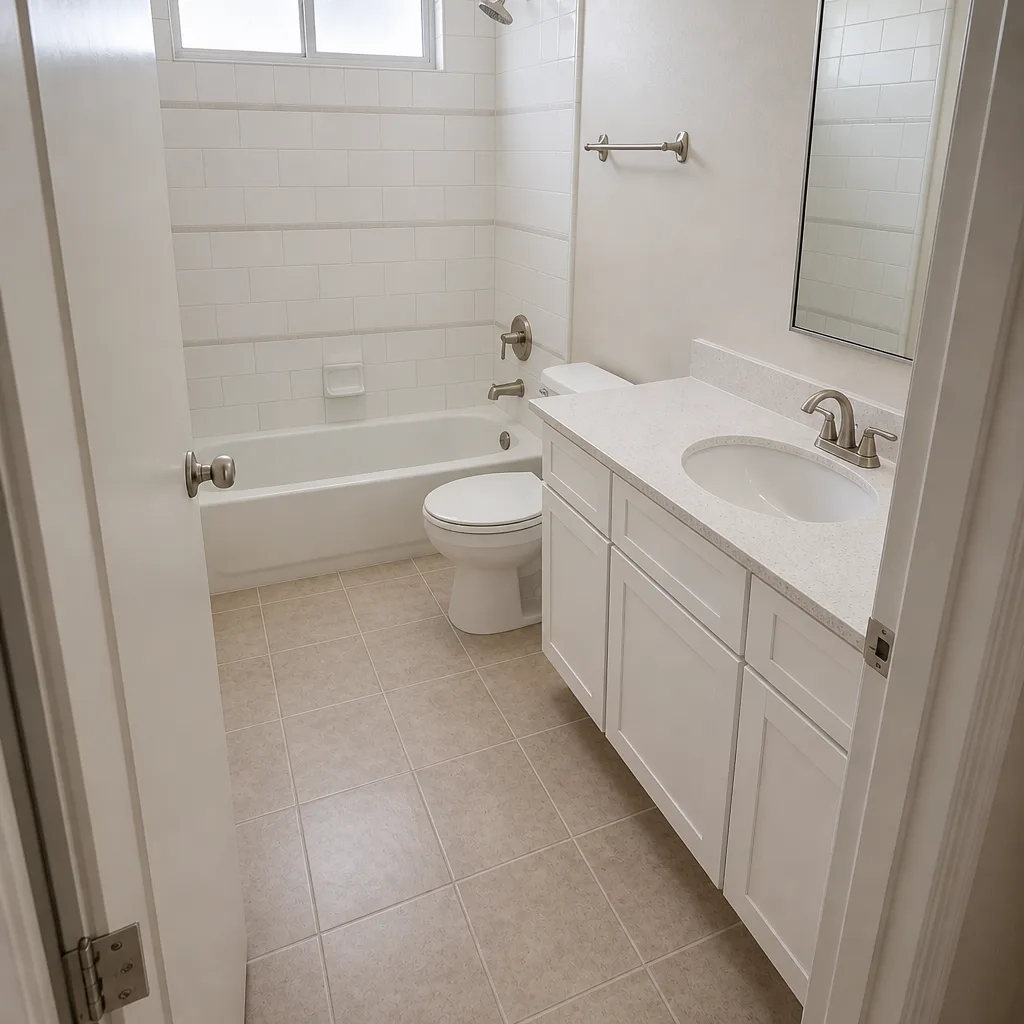
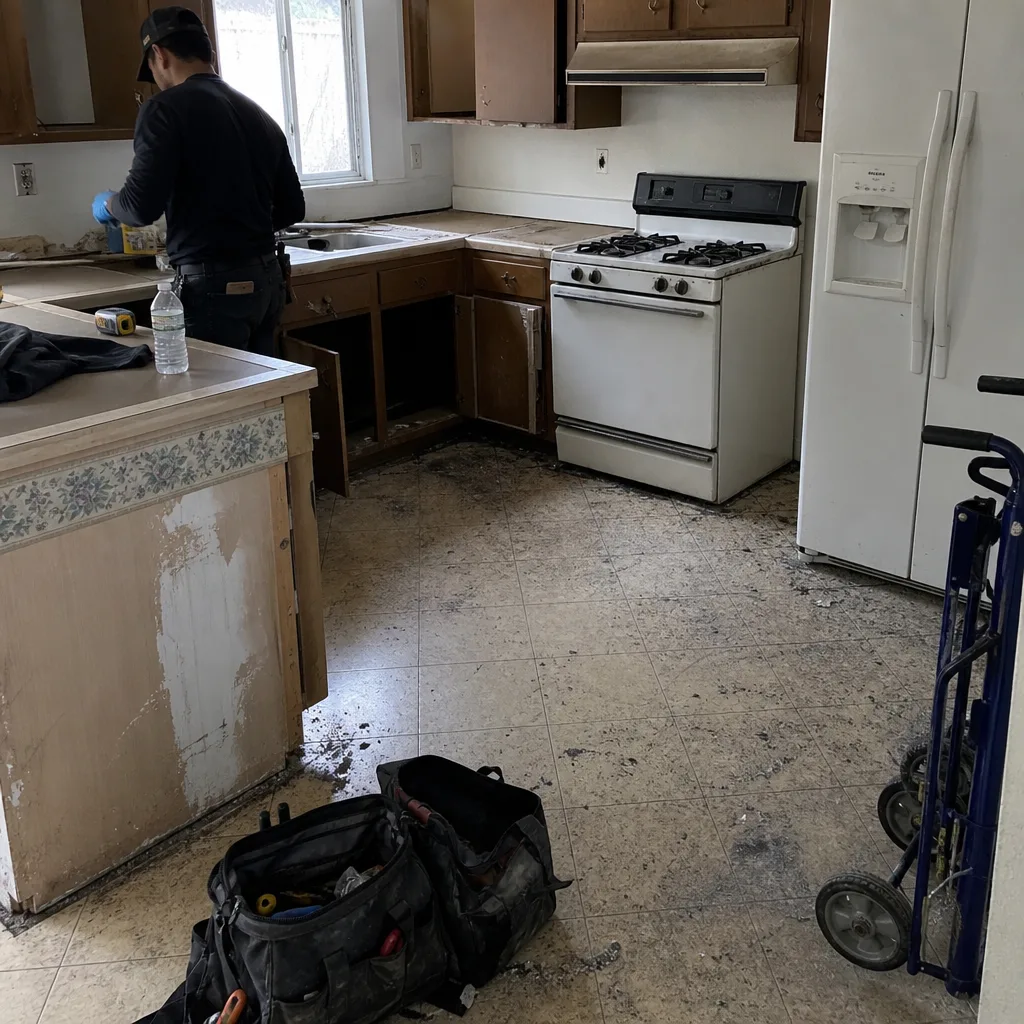
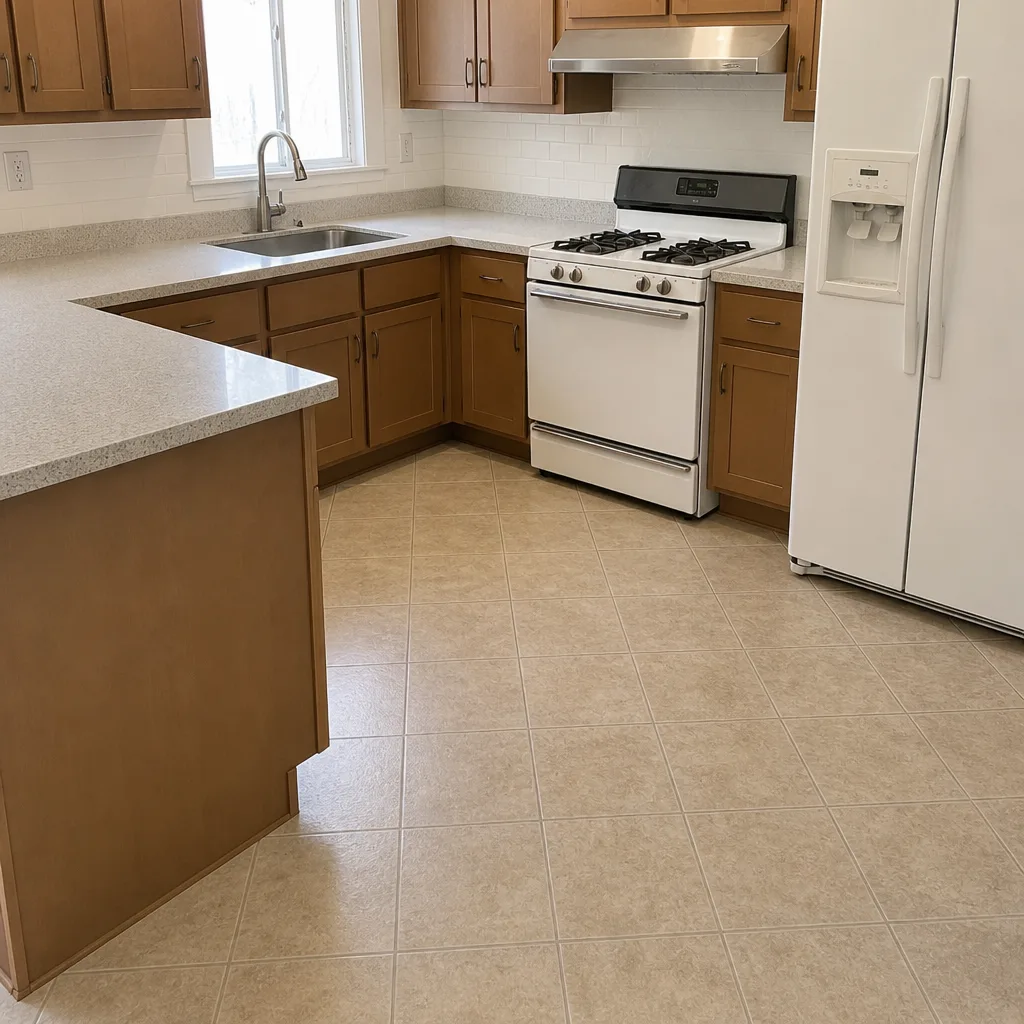
See the difference
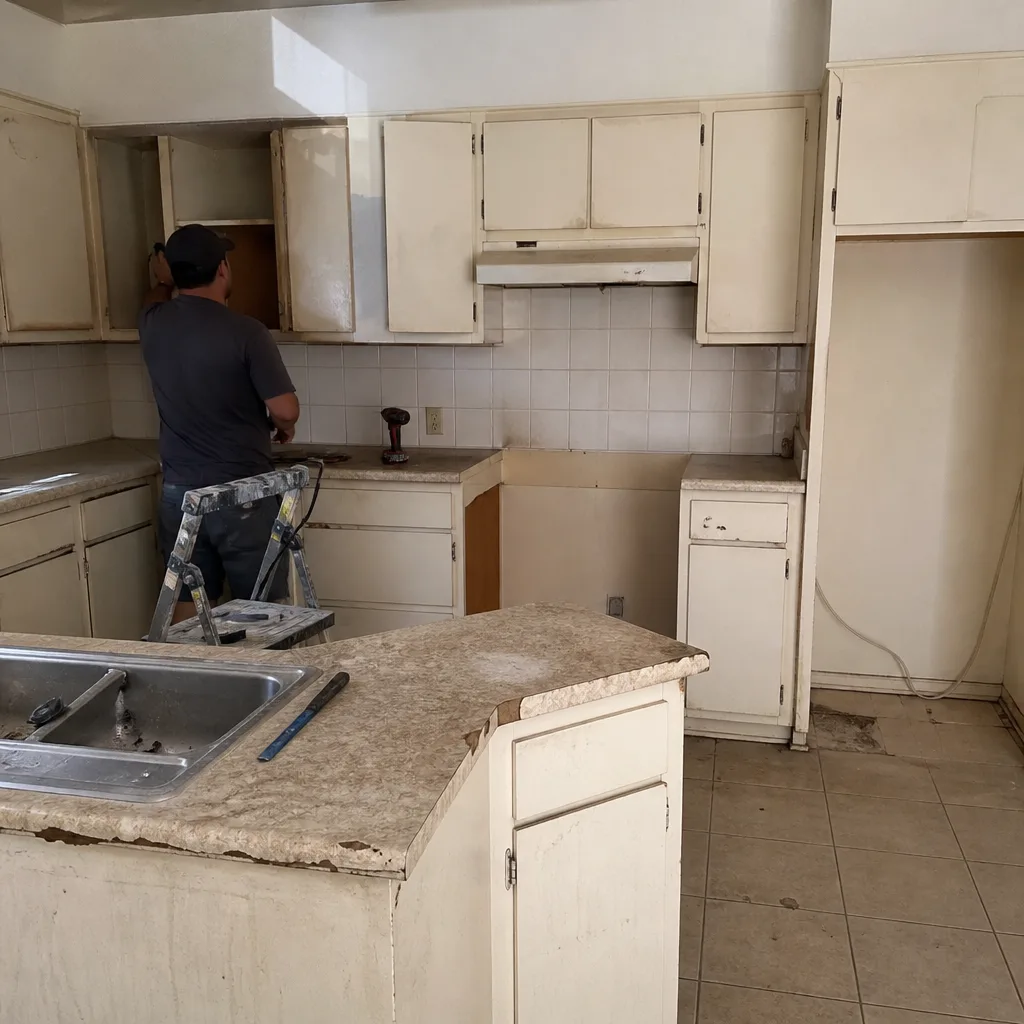 Before
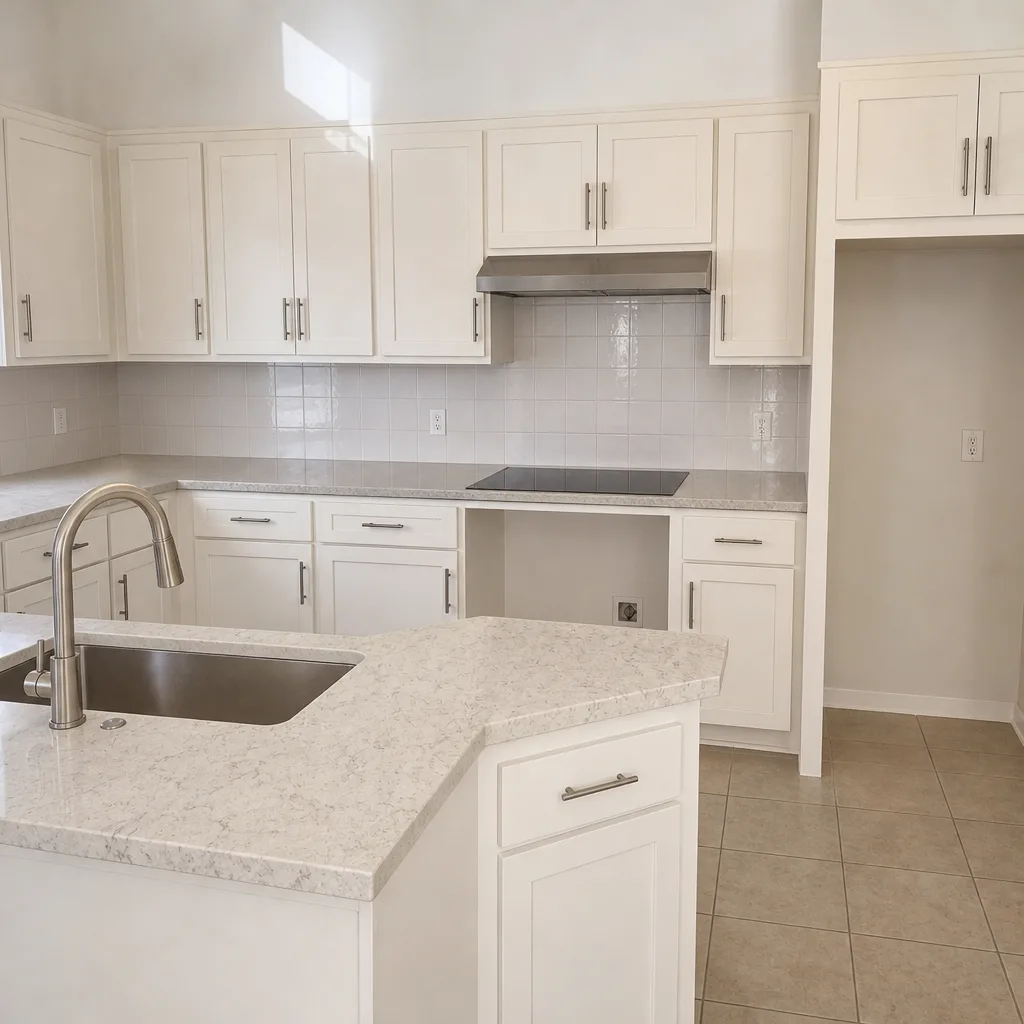 After
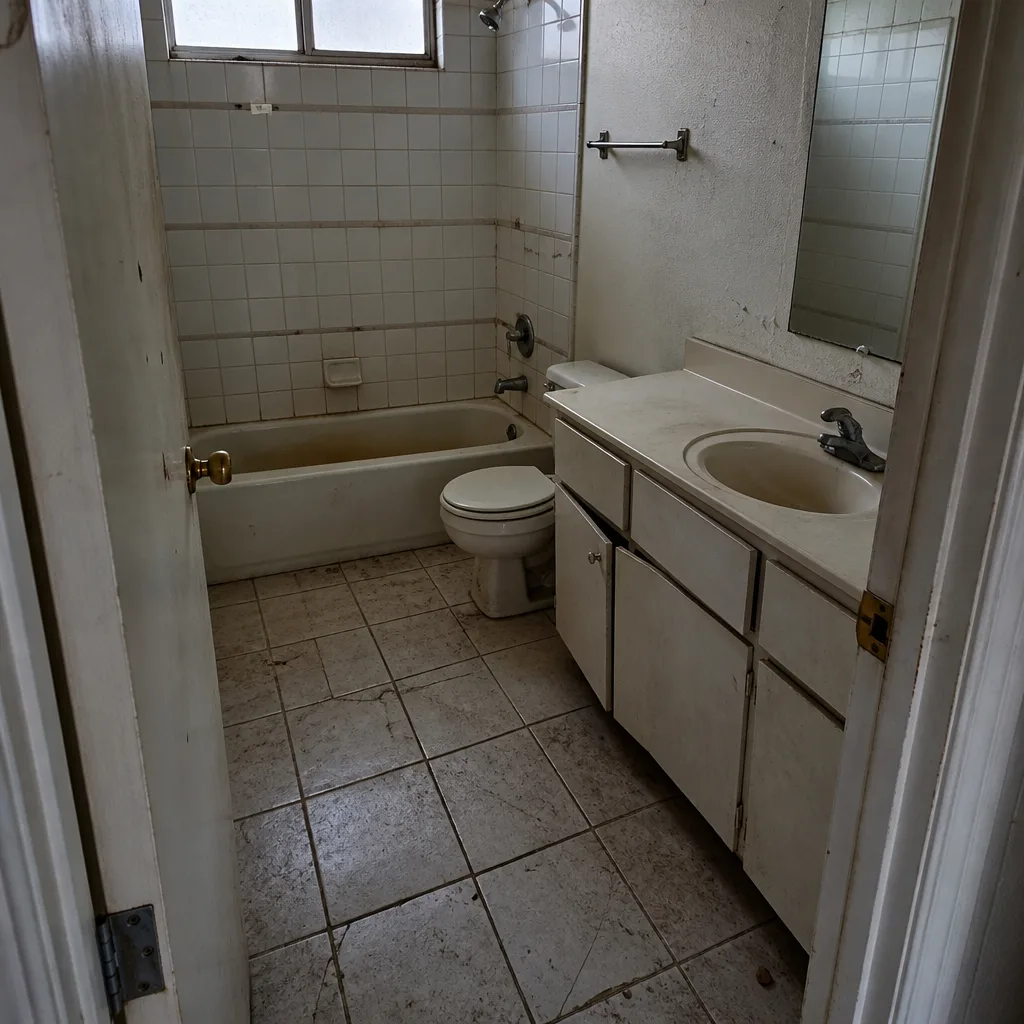 Before
 After
 Before
 After
When to Call a Professional
Call a licensed general contractor when the project involves more than one trade, touches structural, plumbing, or electrical systems, or requires a permit. That covers most Summerlin kitchen and whole-home remodels. Call when your HOA has sent a submittal packet you don’t understand, when you’ve had a contractor quote before verifying jurisdiction, or when a prior job left you with unresolved punch list items and a warranty you can’t enforce. Call for an exterior project on a ridgeline lot where wind loads and flashing details matter. And call when you want a written scope with a written price before anything moves. Bradford Remodeling Co Summerlin offers free estimates in Summerlin, with a written price before any work starts and the 365-Day Done Right Promise on every project. Call (844) 588-0072 to schedule yours.
Frequently Asked Questions
Summerlin general contractor pricing varies by scope, but as a working range: a mid-range kitchen remodel with new cabinetry, countertops, and appliances runs roughly $45,000 to $85,000, a full bathroom remodel runs $18,000 to $38,000, and a whole-home remodel on a 2,500-square-foot Summerlin home typically runs $180,000 to $350,000 depending on structural changes and finish level. These are ranges, not quotes; a written line-item price is the only number you should sign against. Call (844) 588-0072 for an exact quote; estimates are free.
It depends on the specific address; Summerlin was built across both unincorporated Clark County parcels and City of Las Vegas annexed parcels, and adjacent streets can differ. Confirm your jurisdiction by looking up your parcel on the Clark County Assessor site or calling the building department with your parcel number before signing any contract. A contractor who doesn’t ask this question first is a risk.
Yes, most Summerlin villages require architectural review approval before the building department will accept a permit application. The submittal typically includes site and elevation drawings, material and color specifications, contractor insurance certificates naming the association, and defined work-window hours. Plan two to four weeks for review on a straightforward project. Call (844) 588-0072 to talk through your village’s requirements; estimates are free.
No, in most cases it costs more. An owner-builder permit makes the homeowner responsible for code compliance, inspection corrections, worker safety, and warranty on the finished work, and it can affect insurance coverage on the project. A licensed general contractor carries that liability and provides a written guarantee. The savings on the contractor markup are rarely larger than the cost of one failed inspection and one redo.
Not on a properly written scope. A line-item written price covers the described work, and any change is priced and signed in a written change order before the work proceeds. Surprise invoices come from scopes with vague allowances and no change-order procedure. Bradford Remodeling Co Summerlin gives a written price before any work starts, every time. Call (844) 588-0072 to schedule a free estimate.
The licensed general contractor pulls the permit in the company name and coordinates every inspection, from rough-in through final. The permit should never be in the homeowner’s name when a GC is doing the work. We handle the Clark County or City of Las Vegas submittal, schedule the inspections, and provide the sign-off documentation at close. Call (844) 588-0072 with your address and project scope to confirm your jurisdiction and timeline.
The Bottom Line
Hiring a general contractor in Summerlin comes down to paperwork done in the right order. Confirm your permit jurisdiction before you request bids. Read your HOA submittal packet before you sign. Verify the license on the Nevada State Contractors Board site. Demand a line-item written scope that meets NRS 624, with named materials, explicit allowances, and a change-order procedure. Decline the owner-builder shortcut on anything larger than a single trade. And get the warranty in writing, with a defined period and a defined correction procedure. The 365-Day Done Right Promise is that piece for us: full-year written coverage, and if the work fails inside the window, we return and correct it at no charge. The contractors who run on that discipline are the ones whose projects close clean.
To talk through your Summerlin project, call Bradford Remodeling Co Summerlin at (844) 588-0072 for a free estimate. We’ll confirm your jurisdiction, walk your HOA requirements, and put a written price in your hand before any work starts.
Written by the team at Bradford Remodeling Co Summerlin.