Last updated November 17, 2026








Free written scope consultation - allowances, timeline, and change-order rules on paper before a single trade is scheduled
How Long Does Home Remodeling Take? Timelines and What to Expect
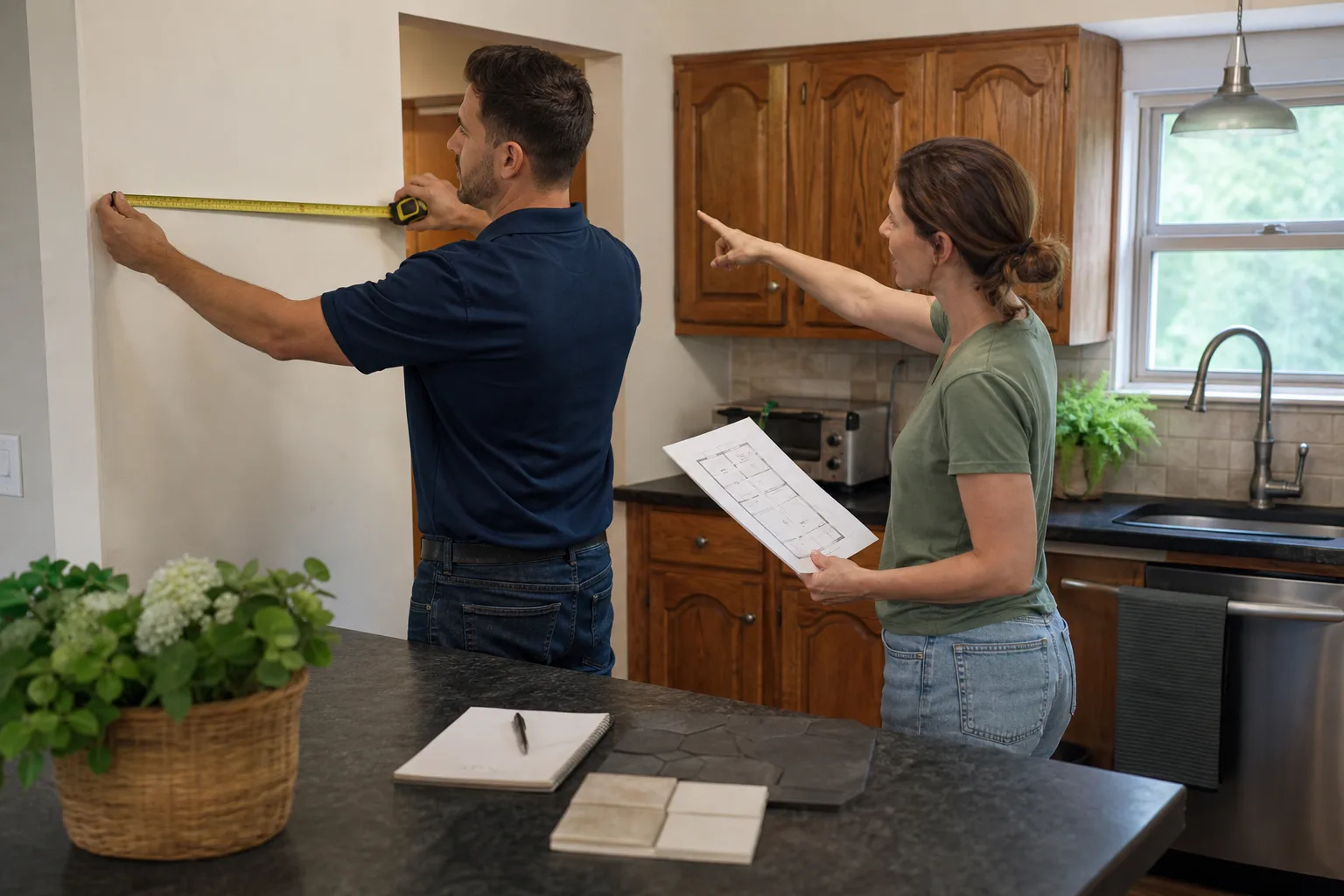
The national average kitchen remodel takes 6 – 8 weeks on paper. The real average, once you add permit wait times and material lead times that weren’t disclosed upfront, is closer to 14 weeks. And nobody warned the homeowner.
We’ve watched that gap swallow a family’s entire summer. The work was fine. The schedule was fiction. There’s a reason for it: overruns almost never come from the carpentry itself. They come from the week before work starts, when permits sit unordered and cabinets sit unshipped and the scope lives in three different texts. In Summerlin, where a single HOA letter can hold up a delivery, that week matters more than any other. This guide teaches you to read a project schedule the way a contractor does, so you can spot delay risk before the crew ever shows up.
Quick Answer
Most home remodeling projects take 4 – 16 weeks of active construction: a bathroom runs 3 – 6 weeks, a kitchen 6 – 10 weeks, a whole-home remodel 12 – 20 weeks or more. The honest number is 30 – 50% longer once you account for permit processing, material lead times, and inspection windows. A written schedule built before contracts are signed is the difference between those two numbers.
Styles & brands we work with
- Kitchen remodeling
- Bathroom remodeling
- Home additions & ADU
- Roofing
- Windows & doors
- Driveway & pavers
- Fence
Table of Contents
- The Pre-Construction Phase Every Timeline Leaves Out
- How to Read a Gantt-Style Project Schedule
- Critical Path vs. Float: Which Delays Actually Matter
- The Three Contract Clauses That Protect Your Timeline
- Sandy Valley and Summerlin Factors That Stretch Schedules
- What a Legitimate Change Order Looks Like
- Squared Away at Close: What the End Should Look Like
- Common Mistakes to Avoid
The Pre-Construction Phase Every Timeline Leaves Out
The clock most contractors quote you starts the day the crew walks in. That’s not when your project starts. It starts the day someone applies for the permit, and in Clark County that phase alone can run 3 – 8 weeks for a standard residential remodel, longer for structural changes or anything touching MEP work (mechanical, electrical, plumbing – the systems that live inside your walls). Inspection scheduling adds another layer. A rough-in inspection that lands three days after the request is a good week. One that lands eight days after is a week most schedules never accounted for.
Material lead times vary wildly by trade, and nobody publishes them in the contract unless you ask. Standard casework runs 3 – 6 weeks. Custom cabinetry ordered through a documented brand program can run 8 – 12 weeks. Exterior hardscape materials, tile shipments, and stone surfaces all carry their own clock. The homeowner who hears “six weeks” for a kitchen and assumes the cabinets are seven days out is the homeowner who gets surprised in week two.
Here’s what a pre-construction phase should include, in order:
- Final scope in writing, with material specifications named (brand, model, finish).
- Permit application filed, with a receipt or application number you can see.
- Long-lead materials ordered first, before anything else moves.
- Demolition scheduled to match material arrival, not the other way around.
- Inspection windows requested and calendar-blocked in the schedule.
At Bradford Remodeling, the written price and the written schedule land in your hands before a single tool comes out. That’s part of what we call The Garrison Standard – not a slogan, a sequence. If the permit receipt and the cabinet confirmation aren’t in the same folder as the contract, the schedule isn’t real yet.
How to Read a Gantt-Style Project Schedule
A Gantt chart is just a bar graph of time – tasks run left to right, each with a start and end date, some stacked in sequence, some overlapping. Contractors use them because they force honesty: you can’t hide a missing week inside a bar. You don’t need project management software to read one. You need to know three things.
First, look for dependencies. A dependency is a task that can’t start until another one finishes. Cabinet installation can’t start until drywall is finished, primed, and cured. Tile can’t go down until substrate is screwed, leveled, and set. If a schedule shows cabinet install starting on a date before drywall cure, the chart is decoration. Ask which dependencies were built into the plan.
Second, look for the longest chain. Your eyes should follow the single line of tasks that has no gaps – that’s the critical path, and we’ll cover it next. If the longest chain runs 42 days and the contract says “4 weeks,” the schedule doesn’t add up.
Third, check the calendar against real life. Summerlin HOA submittal windows, family vacations, and holiday weeks all belong on the chart if they affect work. A schedule that runs straight through Thanksgiving without a pause was probably drawn on a laptop and never touched the ground.
We build schedules with three dates per task: earliest start, planned start, and the date that would signal a red flag if we crossed it. That third date is the one that matters most. If a task slips past its red-flag date, you get a phone call the same day, not a surprise invoice at the end.
Critical Path vs. Float: Which Delays Actually Matter
Every schedule has a critical path: the sequence of tasks where any delay pushes the final date. Three days late on a critical-path task means your move-in date moves three days. Three days late on a task with float – a cushion of spare time – means nothing, as long as the cushion hasn’t already been spent.
Here’s how that plays out in a real kitchen, starting from demolition:
- Critical path: Demolition → framing → rough-in plumbing and electrical → rough inspection → insulation and drywall → drywall cure → cabinet install → countertop template → countertop install → final inspection. Every one of these has zero float. A missed rough inspection on day nine costs you exactly nine days on the tail end.
- Float tasks: Appliance delivery, paint color finalization, hardware selection. Those can drift a week without touching the close-out date – until they drift past their cushion and become critical.
- Hidden float: The days between a final inspection and the walkthrough that everyone forgets to schedule. When it’s built in, it’s a cushion. When it isn’t, it’s a delay nobody planned for.
The point of understanding float is leverage. When a contractor tells you a two-week delay “doesn’t matter,” ask which task slipped and whether it was on the critical path. If it was, and there’s no recovery plan, the close-out date has moved – and the written schedule should reflect that on the spot. In our Summerlin projects, the critical-path question we get asked most often is about countertop templating. It’s a single-day event that sits in a rigid sequence, and it lives on the critical path in every kitchen we build.
The Three Contract Clauses That Protect Your Timeline
A schedule is only as good as the contract that enforces it. Three clauses do the heavy lifting, and if any one of them is missing, the timeline is an aspiration, not a commitment.
- Start-date commitment. The contract should name the date work begins and state the conditions that would push it. “Pending permits” is a condition – fine, if the permit application date is also in the document. What you don’t want is an open-ended “work to commence in approximately [X] weeks” with no anchor.
- Milestone schedule. Not one date at the end, a set of checkpoints. Demolition complete, rough-in complete, drywall hung, cabinets set, final inspection passed. Each milestone gets a date and a signature block. When the milestones are in writing, everyone works to the same clock.
- Delay-notification requirement. The clause that says the contractor must notify you in writing within a defined window (48 hours is common) when a milestone is at risk, with the reason and the recovery plan. A contractor who commits to same-day notification is a contractor with a schedule worth protecting.
Ask to see the clause language before you sign, and if any of the three is missing, ask for it in writing. If the answer is a handshake and a promise, that’s not a mechanism – that’s a memory. Bradford Remodeling writes every price and every guarantee in writing before work starts, and the 365-Day Done Right Promise extends a full year past final walkthrough: if the work fails inside that window, we return and correct it at no charge, in writing, in the signed guarantee you hold.
Sandy Valley and Summerlin Factors That Stretch Schedules
Local conditions move timelines more than any generic estimate can. A remodeling schedule in Summerlin or nearby Sandy Valley has to account for things that never show up on a national average.
Permit office load in unincorporated Clark County. Sandy Valley sits in unincorporated Clark County, and permit processing runs on the county’s clock, not the contractor’s. Applications filed during peak spring permit season can take longer than the same application filed in February. Build in 3 – 8 weeks for a standard remodel, longer if the scope touches structure or energy compliance. We file the application the same week the contract is signed, and you get the receipt.
Concrete cure times in summer heat. Desert summers are unforgiving concrete country. Concrete poured in July cures fast on the surface – sometimes overnight – but its structural strength takes longer, not shorter, when temperatures stay above 100°F. A slab poured in a cool morning needs 7 days before light traffic and 28 days before full load in normal conditions; in summer heat, those windows stretch and require careful moisture management. A schedule that ignores cure time on a patio, driveway, or slab addition is a schedule that assumes 12 days of work fit into 6.
HVAC lead times in a desert climate. HVAC components are the long-lead item in nearly every whole-home remodel here because demand pushes equipment lead times past the 4 – 6 week national norm during summer replacement season. If your remodel includes ductwork relocation or a new system, the HVAC order should be the first phone call, not the last.
In Summerlin proper, HOA submittal windows add another layer. Many HOAs require exterior change submittals 15 – 30 days ahead of work, and a late-submitted paint color or paver change can push the schedule by a full cycle. Ask your contactor whether HOA submission dates are on the chart. If they aren’t, add them yourself before work begins.
What a Legitimate Change Order Looks Like
A change order is a written document that names the change, prices it, updates the schedule, and requires your signature before work proceeds. That’s the whole definition. The trouble starts when a contractor uses the words “scope creep” to explain a delay they never intended to beat – blaming the project plan for moving sources they controlled from the start.
A legitimate change order looks like this:
- A written line-item description of the change, referencing the original scope section it modifies.
- An updated price, in writing, with additions and deletions both shown (no net number hiding the trade-off).
- A revised schedule impact: which milestone moves, by how many days, and why.
- A signature block for you and one for the contractor, dated.
And the reverse: when a contractor tells you a change was “already included,” the answering document is the original written scope, with line items. That’s why the written price comes first. In our experience, the contractors who most often use the phrase “scope creep” are the ones who never wrote a scope. Bradford Remodeling gives a written price before any work starts, every time – no numbers that move at the door, no verbal additions, no price that finds you mid-demolition.
A good change order also includes an allowance check when the change touches a reserved line (tile allowance, plumbing fixture allowance). American Standard and Delta fixtures, for example, sit within specific allowances – a swap from a standard model to a Toto upgrade shows up as a clean line, not a vague “additional cost.”
Squared Away at Close: What the End Should Look Like
The close of a project is the second-biggest delay risk after pre-construction, and it’s the one homeowners review least carefully. When the final inspection passes, three things belong in your hands on the same day: the signed written guarantee, a documented scope that matches what was actually built (including change orders), and a clean site – debris hauled off, protective film gone, floors swept, no leftover boxes in the corner.
In Summerlin, that final walkthrough is where we verify the punch list written during the last week of work, not the walkthrough itself. Punch items get a date. The 365-Day Done Right Promise is already in writing by then, and it covers a full year from close-out, not from the day the last nail goes in. If a fixture backs out of alignment, a cabinet door drifts, or something installed fails within that guarantee period, we return and correct it at no charge.
If your contractor’s close-out conversation is a handshake and a business card, ask for the written guarantee and scope on the spot. A project that isn’t squared away at close is a project still running, whether or not the crew is still on site.
Common Mistakes to Avoid
- Accepting a verbal schedule. “Six to eight weeks” is a promise with nothing behind it until it’s a written milestone schedule with dates and signatures. Ask for the document and read the dependencies. In Summerlin, ask whether HOA submission windows are already blocked in.
- Ordering materials after demolition. Demolition is the loudest, but the cabinets were always the real clock. If the casework isn’t ordered and confirmed before demolition starts, the schedule is already late. Order long-lead items first, always.
- Skipping the permit receipt. A permit is a document with an application number, not a promise. Ask for the receipt the same week the application is filed, and verify the inspection-window expectations in writing.
- Forgetting concrete cure in summer heat. Desert heat changes cure times, not just the crew’s schedule. A slab plan that assumes normal cure is a plan that pulls the next trade in too early and produces failures the 365-Day Done Right Promise shouldn’t have to catch.
- Signing a change order you don’t understand. A change order that names no scope section, shows no net line items, or omits a schedule impact is a price you can’t verify. Ask for the written scope it modifies.
- Treating the close-out walkthrough as the last item. It’s the second-to-last item. The last one is the written guarantee in your hand, the scope document signed, and a clean site. Build the walkthrough into the schedule with a date.
- Believing “we’ll catch up” without a recovery plan. A delayed critical-path task needs a new date, in writing, not encouragement. If a milestone slips and no recovery date appears, the close-out date has failed silently.
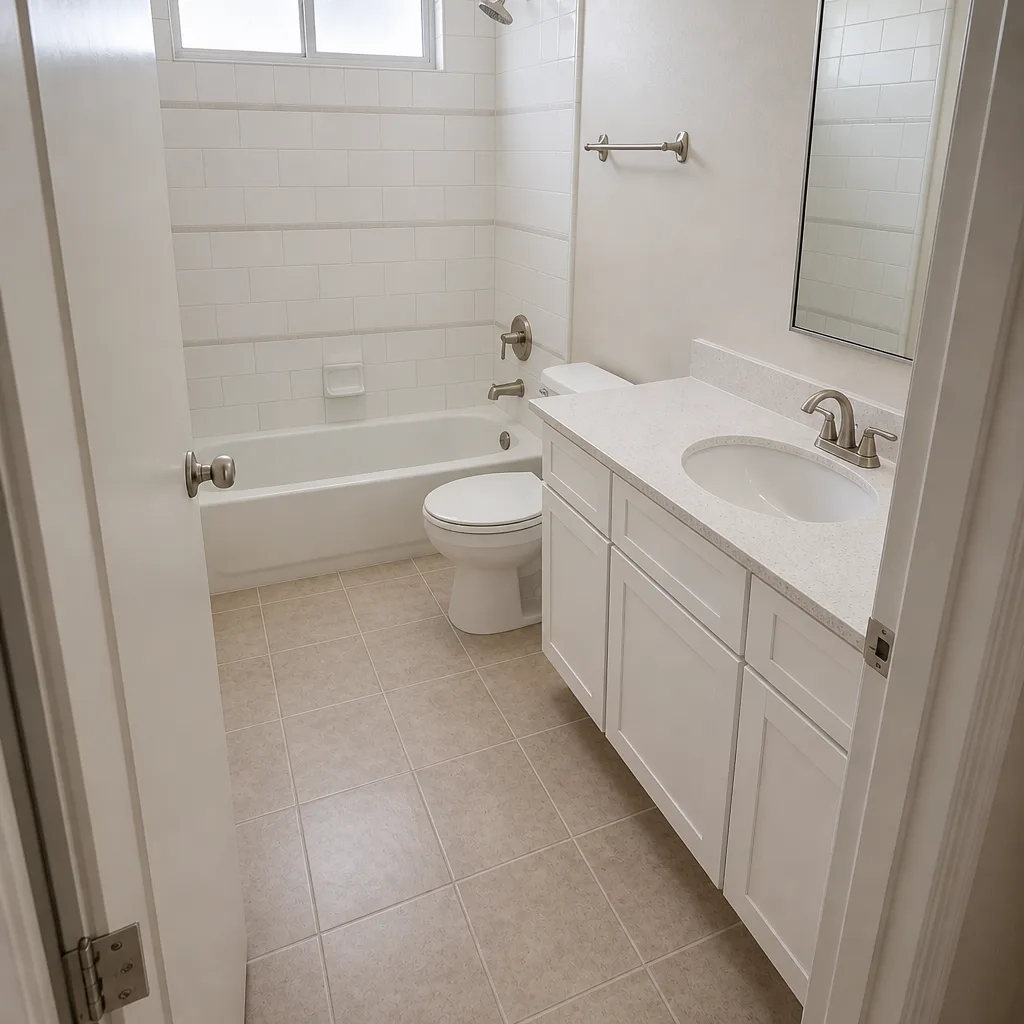
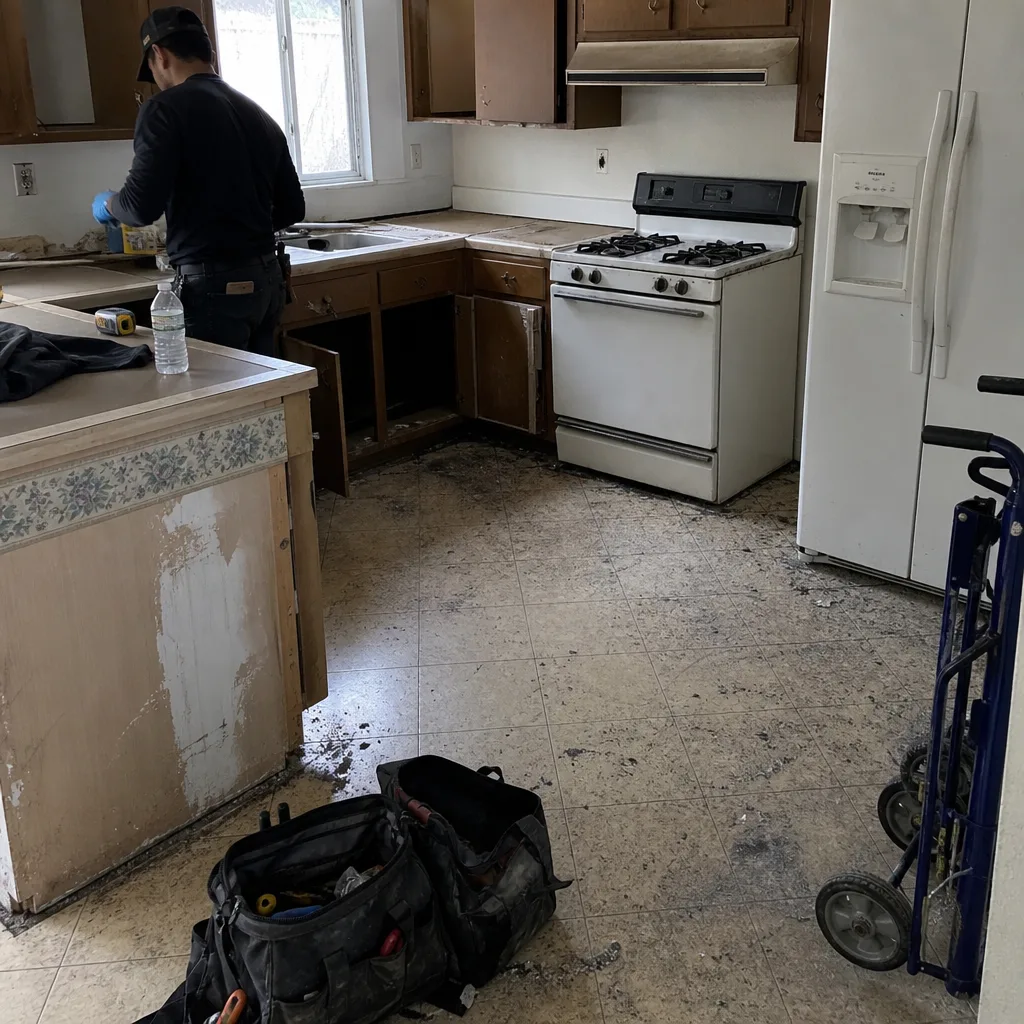
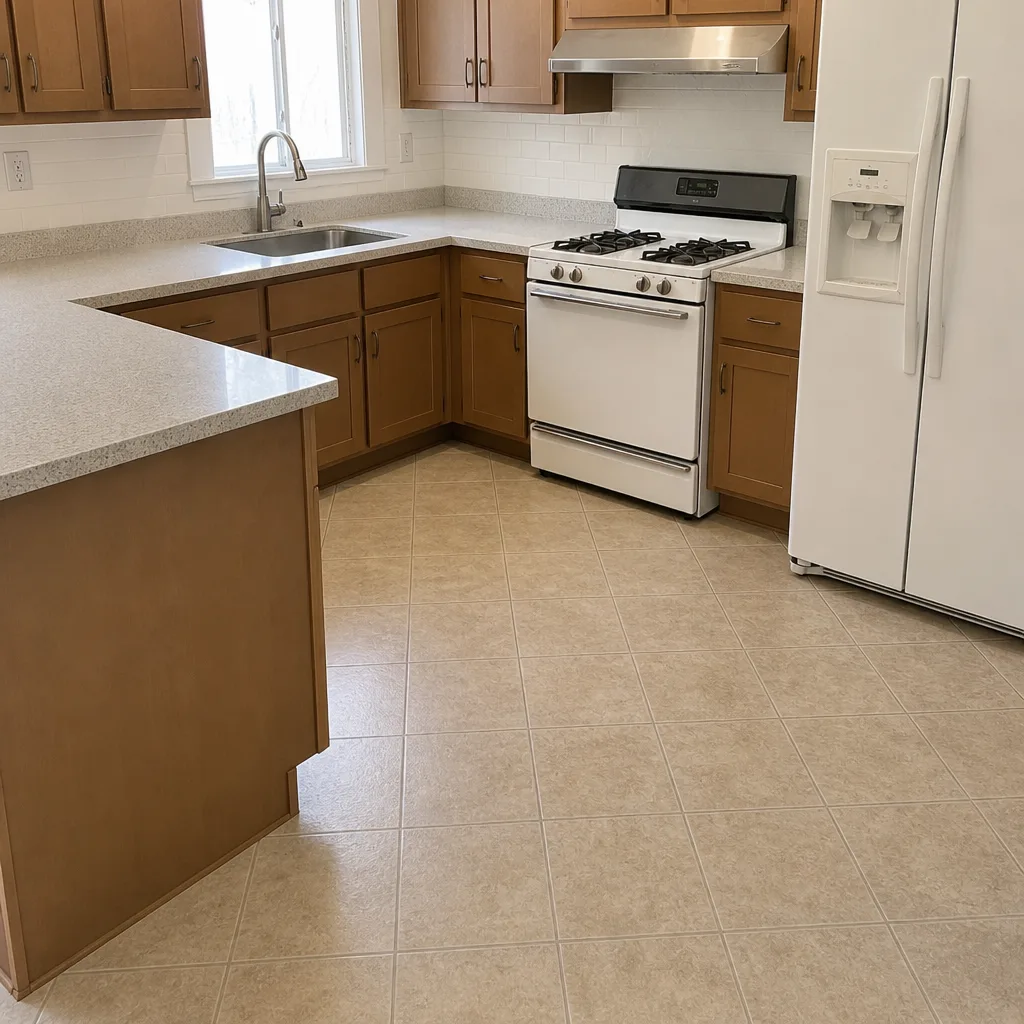
See the difference
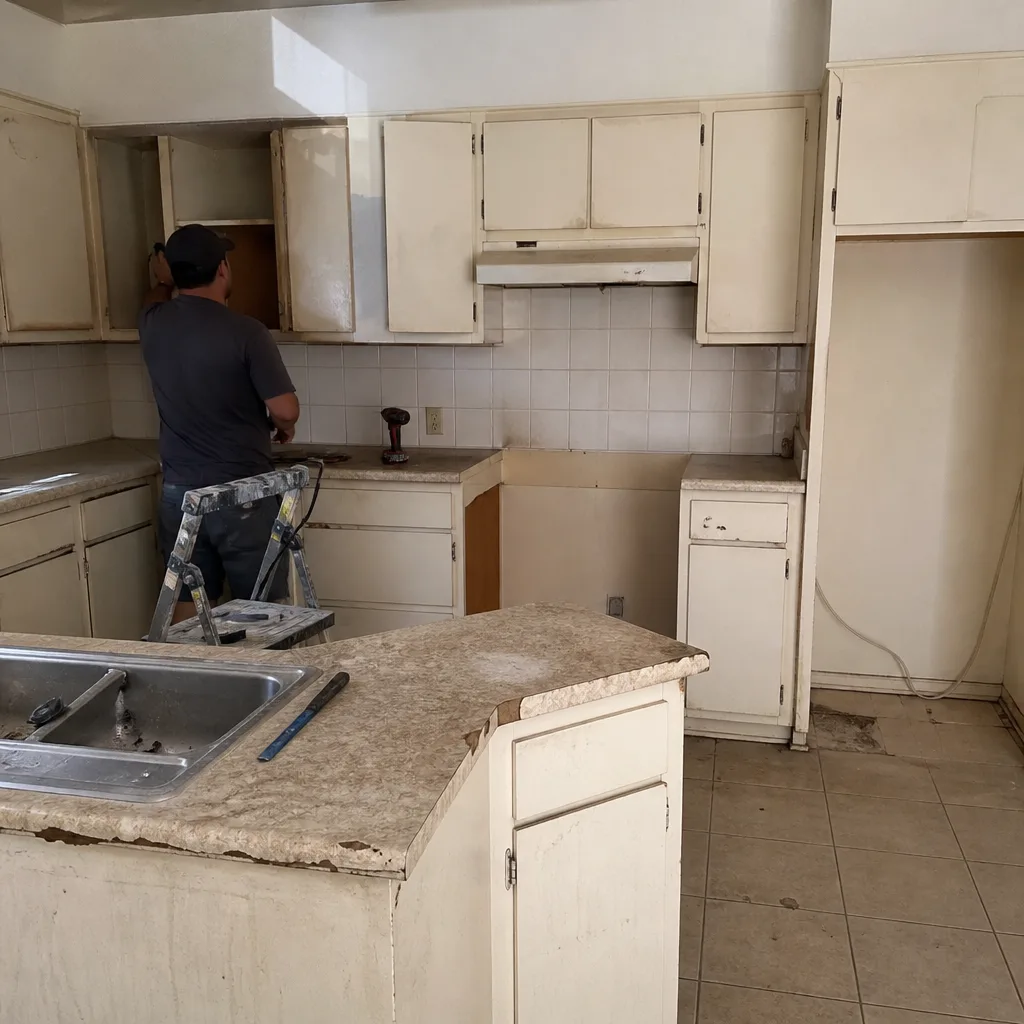 Before
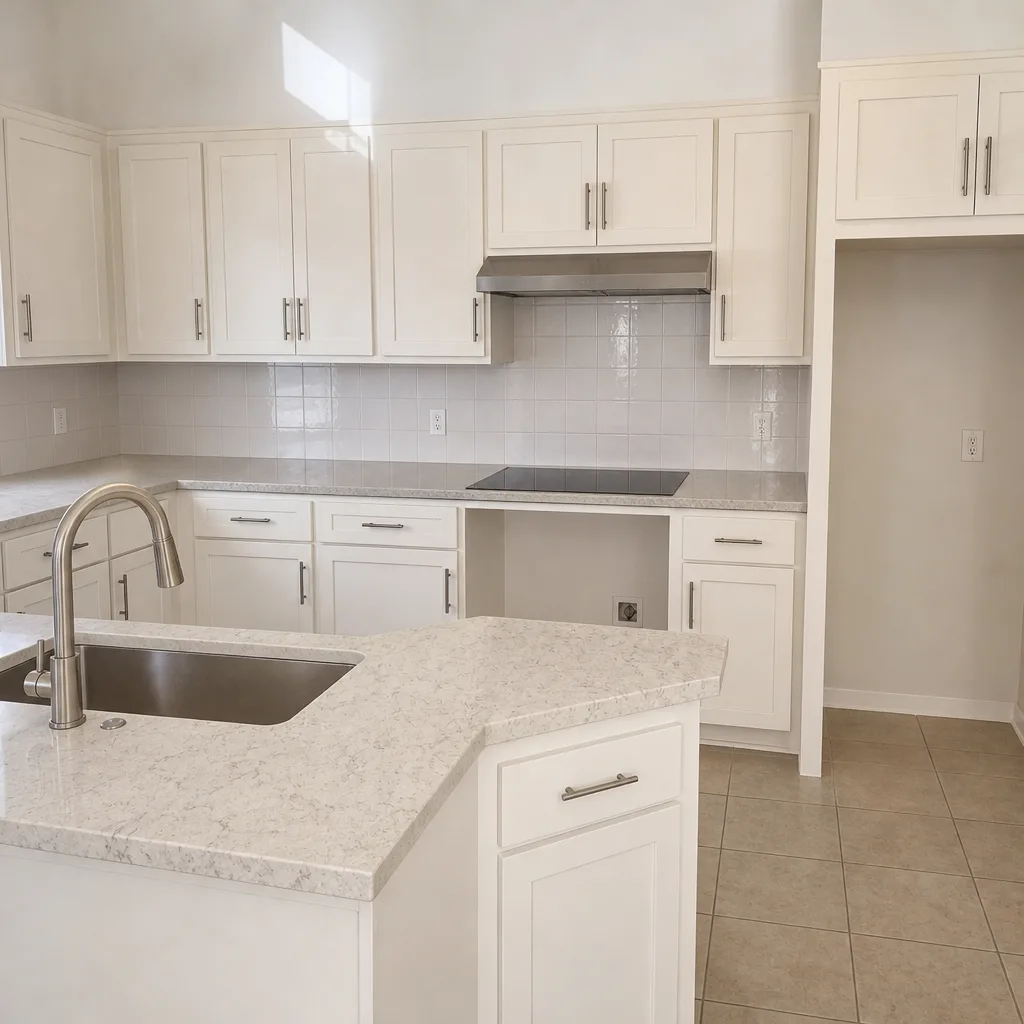 After
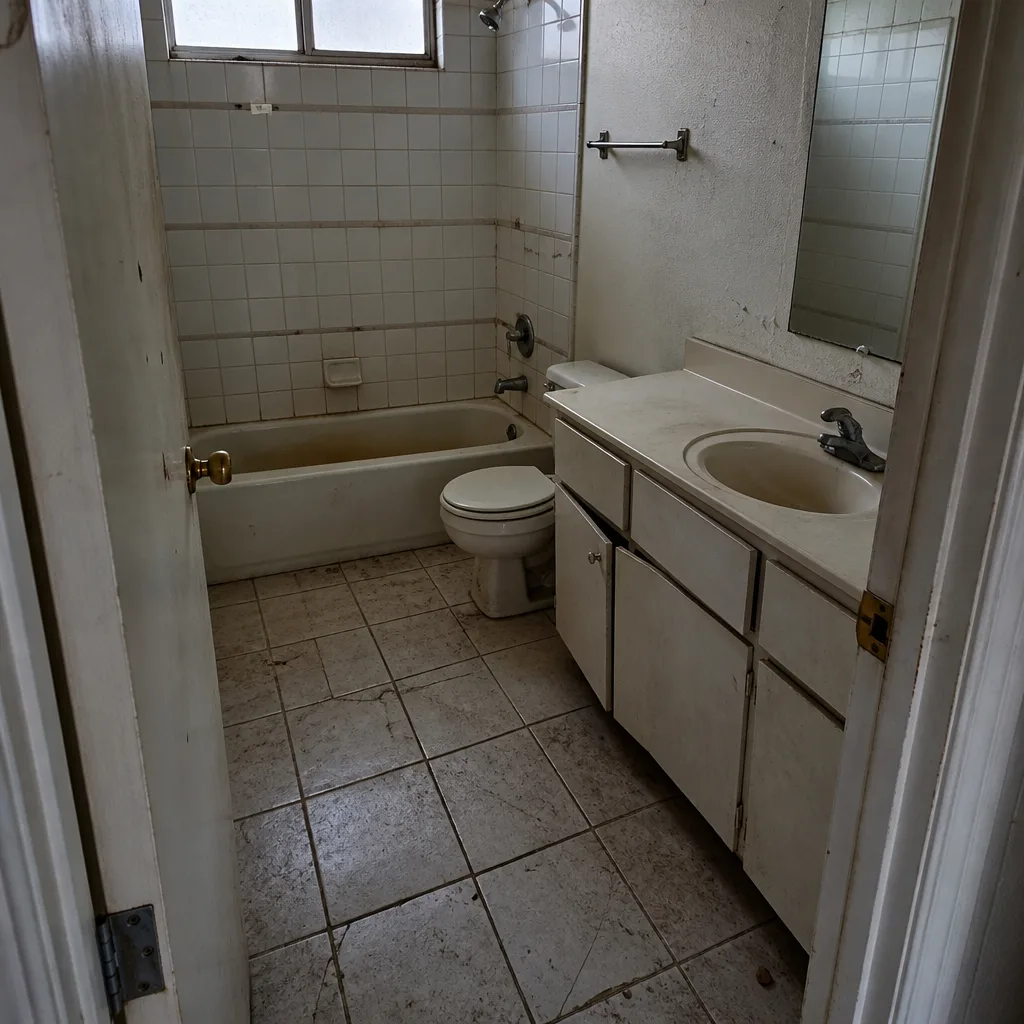 Before
 After
 Before
 After
When to Call a Professional
Call a professional when the scope touches systems you can’t see: moving plumbing or electrical rough-in, opening walls for structural changes, or relocating HVAC. Call when permits are required – in Clark County, most remodels that change walls, systems, or footprint do. Call when the schedule itself is the problem: if you’re reading a schedule and can’t find the critical path, the dependencies, or the start-date commitment, you need a written plan before any tools move. A general contractor coordinates the trades, the inspections, and the material sequence, and a license, a permit receipt, and a written schedule are the three things to ask for before you hire. Bradford Remodeling Co Summerlin offers free estimates in Summerlin – call (844) 588-0072.
You can learn more about our full service lineup on our Bradford Remodeling Co Summerlin home page, and if your project is a kitchen, the Kitchen Remodeling in Sandy Valley page covers the trade sequence in more detail. For bathrooms that share rough-in work with kitchens, our Bathroom Remodeling in Sandy Valley guide walks through the same schedule logic at smaller scale.
Frequently Asked Questions

A kitchen remodel in Summerlin typically runs 6 – 10 weeks of active construction, or 12 – 16 weeks from signed contract to close-out once you include Clark County permit processing and cabinet lead times. Custom cabinetry through a documented program like KraftMaid or Wellborn can push the upper end. Call (844) 588-0072 for a written schedule with real dates – estimates are free.
The most common reason is a pre-construction phase that wasn’t finished: permits filed late, long-lead materials ordered after demolition, and inspection windows never scheduled. The work itself rarely causes the overrun. Ask for the permit receipt and the cabinet confirmation the same week the contract is signed, and the schedule has a real starting clock.
Most remodels that move walls, alter systems, or change the footprint require a permit in Clark County, and processing typically runs 3 – 8 weeks for a standard residential application. Structural or energy-compliance changes run longer. We file the application the week the contract is signed and give you the receipt, so the permit clock is visible from day one. Call (844) 588-0072 for the sequence on your project.
A written price comes before any work starts at Bradford Remodeling – always, no exceptions, no numbers that move at the door. The price only changes when you sign a written change order that names the scope change and its schedule impact. That’s the discipline behind The Garrison Standard. Call (844) 588-0072 for a written price and a written schedule together.
The 365-Day Done Right Promise covers every completed project with a full-year written guarantee: if the work fails inside that window, we come back and correct it at no charge. The guarantee is signed and in your hand at close-out, dated to the final walkthrough. Call (844) 588-0072 to see a sample before you sign anything.
A delay is serious when it hits a task on the critical path – the sequence where any slip pushes your final date. Delays on tasks with float (a built-in cushion) usually don’t matter until the cushion is spent. The fast test: ask which task slipped and whether it was critical. If yes, ask for the new close-out date in writing. Call (844) 588-0072 for the answer on your specific schedule.
The Bottom Line
Overruns live in the week before work starts, not in the carpentry. Finish the pre-construction phase in writing – permit filed, long-lead materials ordered, scope locked – and the schedule stops being fiction. Read your Gantt chart for dependencies and the critical path. Protect the timeline with three clauses: start-date commitment, milestone schedule, and delay-notification. In Summerlin and Sandy Valley, add concrete cure, HOA submittal windows, and desert HVAC lead times to the chart from day one. A written price and a written schedule, sealed with a signed guarantee, are the three things that separate a squared-away project from a summer lost.
Call Bradford Remodeling Co Summerlin at (844) 588-0072 for a free estimate. A live person answers the phone around the clock, and you’ll get a written price and a written schedule before any tool comes out.
Written by the team at Bradford Remodeling Co Summerlin.