Last updated November 17, 2026







Free written scope consultation - allowances, timeline, and change-order rules on paper before a single trade is scheduled
DIY vs Professional Bathroom Remodeling: What’s Safe to Do Yourself
In Nevada, any plumbing work beyond a simple fixture swap needs a licensed plumber or a licensed general contractor with plumbing coverage. That single line decides more bathroom remodels than skill level ever does. A homeowner who relocates a drain to move a vanity, then files a water-damage claim eight months later, can find the insurer pointing at unpermitted work as the reason the claim gets denied. The line between what you can legally do yourself and what carries real exposure runs through Nevada licensing law, Clark County permit rules, and homeowner insurance policy language. This guide walks that line task by task. It’s written from Summerlin, where tract-built bathrooms and hard water meet a permit office that doesn’t wave things through.
Quick Answer
Nevada lets a homeowner handle cosmetic and surface work in their own home without a license: paint, tile on a sound substrate, vanity and mirror swaps, cabinet hardware, fixtures connected to existing shutoffs, and flooring. Anything that touches the plumbing rough-in, moves a drain or supply line, adds or relocates electrical circuits, or involves structural framing requires a licensed trade and a Clark County permit. The gray zone is waterproofing and GFCI placement, which the law permits you to do yourself but which create the most expensive failures when done wrong.
Styles & brands we work with
- Kitchen remodeling
- Bathroom remodeling
- Home additions & ADU
- Roofing
- Windows & doors
- Driveway & pavers
- Fence
Table of Contents
- What Nevada Law Actually Lets You Do
- Owner-Builder Status in Clark County: What It Really Covers
- The Hidden-Risk Tasks That Are Legal but Risky
- The Labor Math: True DIY Savings vs. Cost of Correction
- How Unpermitted Work Affects Resale and Disclosure
- Summerlin-Specific Conditions That Change the Answer
- Common Mistakes to Avoid
- When to Call a Professional
What Nevada Law Actually Lets You Do
Nevada Revised Statutes chapter 624 governs contractors, and the State Contractors Board enforces it. The practical reading for a homeowner working on their own primary residence: you can act as your own contractor on your own home without a license, and you can perform work yourself. What you cannot do is take money to build for someone else without a license, and you cannot legally perform work that state law assigns to a licensed trade under a permit.
Here’s the task breakdown that actually matters.
No license or permit typically required:
- Interior painting, caulking, and drywall patching
- Swapping a vanity, mirror, or medicine cabinet
- Replacing a toilet, faucet, or showerhead on existing rough-in
- Tile work on a properly prepared substrate
- Cabinet hardware, towel bars, shelving
- Replacing flooring over a sound subfloor
Licensed trade and permit required:
- Moving or adding a drain, vent, or supply line (licensed plumber)
- Adding a circuit, relocating an outlet, installing a dedicated bathroom circuit (licensed electrician)
- Framing changes, moving or removing a wall (licensed general contractor, plus engineering if load-bearing)
- Converting a tub to a walk-in shower with a new drain location
- Adding a vent fan where none existed, if it requires a new duct penetration
The plumbing line is the one that catches people. Replacing a faucet on an existing valve is fixture replacement, and a homeowner can do it. Cutting into a wall to relocate that valve two feet to the left for a bigger vanity is rough-in work, and it needs a licensed plumber and a permit. In Summerlin, where many bathrooms were built with the vanity backing a common wall to a bedroom closet, that “small” two-foot move often turns into framing and drywall too. You can see how we handle permitted bathroom scopes on our Bathroom Remodeling in Sandy Valley page, which walks the same permit path Clark County requires.
Owner-Builder Status in Clark County: What It Really Covers
Owner-builder is the term that gets thrown around at permit counters, and it’s widely misunderstood. In Clark County, owner-builder status allows a homeowner to pull a permit on their own residence for their own occupancy. It does not grant a license. It does not authorize you to do plumbing, electrical, or structural work that requires a licensed trade. It does not transfer the liability to anyone else.
What it actually does is put the full weight of the project on you, permanently. When you pull a permit as an owner-builder in Clark County, you sign an affidavit attesting that you will occupy the home and that you understand the work is your responsibility. That affidavit becomes part of the property’s permit record. It follows the house through every future sale.
The liability transfer is the part people miss. If you act as your own contractor and hire an unlicensed sub who does shoddy waterproofing that fails two years later, the recourse is you against that sub, and if they were unlicensed, that recourse is thin. There’s no license bond to claim against. There’s no contractor’s general liability policy standing behind the work. With a licensed contractor, the bond and insurance are attached to the license. With owner-builder, they’re attached to nothing but your own homeowner’s policy, which is exactly the policy that may decline the water-damage claim because the work was unpermitted or improperly done.
If you’re the least bit unsure whether a task crosses the licensing line, that’s the moment to get a licensed contractor’s read. Our team takes those questions at (844) 588-0072 without a sales pitch. You can also see the full scope of what a permitted remodel covers on our Bathroom Remodeling in Sandy Valley page, which lays out the permit and inspection sequence Clark County runs.
The Hidden-Risk Tasks That Are Legal but Risky
Legal and safe are different questions. Three tasks in a bathroom are permitted for a homeowner but carry outsized failure cost. Each one is a place where a licensed contractor’s background checks and documented process earn their keep.
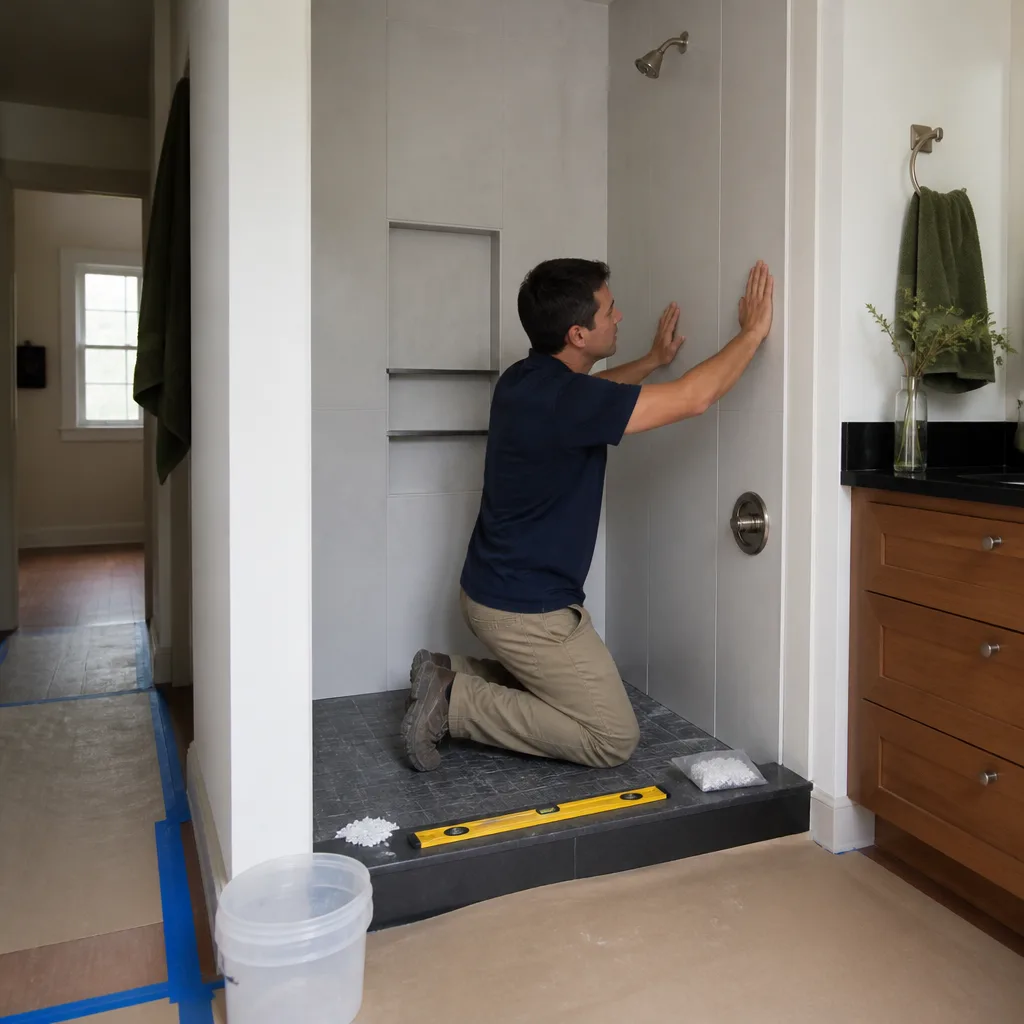
1. Waterproofing membrane. A shower pan that leaks doesn’t leak where you can see it. It leaks into the subfloor, the ceiling below, and the framing, and the visible symptom shows up as a soft spot or a stain months after the shower is finished. In Summerlin, the dry desert air hides moisture well, so a slow leak can run for a full year before it announces itself. The membrane has to be continuous, the pre-slope has to be correct, and the seaming at corners and the curb is where most homeowner jobs fail. If the shower pan fails inside that window, a contractor working to a 365-Day Done Right Promise comes back at no charge. A homeowner comes back to a $4,000 to $9,000 repair to the subfloor and the room below.
2. GFCI placement. Bathroom receptacles within six feet of a water source need GFCI protection, and the code requirements for where the protected circuit must begin differ from what builders of older Summerlin tract homes installed. Moving a GFCI to the wrong spot in the circuit means the downstream protection doesn’t work as intended. It’s an invisible problem until a fault occurs. This is electrical work, and it’s licensed-trade territory even when it looks like a receptacle swap.
3. Toilet flange height. When you tile over an existing subfloor without adjusting the floor thickness at the toilet, the flange ends up too low or too high relative to the finished tile. A flange set too low leaks at the wax ring. A flange set too high rocks the toilet and cracks the base. The correct height is flush with or just above the finished floor, and getting there means knowing the tile thickness before you set the flange. It’s plumbing, and it’s one of the most common rework calls we see in Summerlin.
Notice the pattern. All three are legal for a homeowner. All three can fail in ways that cost far more than the labor saved. Our Kitchen Remodeling in Sandy Valley page covers the same waterproofing and GFCI logic as it applies to wet rooms, since the failure modes cross over.
The Labor Math: True DIY Savings vs. Cost of Correction
The number that decides most DIY bathroom decisions is the labor split. Here’s a realistic breakdown for a Summerlin hall bath of roughly 50 to 60 square feet, using honest 2026 local ranges. These are ranges, not quotes.
| Task | Material-only cost (DIY) | Pros’ installed cost | Labor you save |
|---|---|---|---|
| Tile floor (50 sq ft, porcelain) | $400 to $700 | $1,400 to $2,400 | $1,000 to $1,700 |
| Tub-to-shower conversion (framing, waterproofing, tile) | $1,800 to $3,200 | $5,500 to $9,500 | $3,700 to $6,300 (but highest failure risk) |
| Vanity swap on existing rough-in | $600 to $1,400 (cabinet and top) | $1,200 to $2,200 installed | $600 to $800 |
| Toilet replacement | $200 to $450 | $450 to $800 installed | $250 to $350 |
| Recessed lighting (one fixture, new circuit) | $80 to $150 | $400 to $700 | $320 to $550 (licensing required, so not a DIY task) |
| Vent fan replacement (same location) | $90 to $220 | $300 to $550 | $210 to $330 |
The savings look real until you price the correction. A shower pan that leaks into the subfloor and the ceiling below runs $4,000 to $9,000 to repair, and that’s before the possibility that your homeowner’s policy declines the water-damage claim because the work was unpermitted. A tile floor that debonds because the substrate wasn’t prepped runs $1,200 to $2,500 to tear out and redo, with double material cost. A single GFCI fault that damages a circuit runs $300 to $800 in electrician work, assuming no fire.
Here’s the rule that holds up. Cosmetic surface work on a sound substrate is a real DIY saving. Anything that changes a drain, a supply line, a circuit, or structural framing is not. The absolute ceiling a homeowner can save on a hall bath by doing all the safe tasks themselves is roughly $1,500 to $2,500. Doing the risky tasks themselves to save another $4,000 exposes them to a correction cost of $4,000 to $9,000. On a Summerlin bath, the math rarely favors the second path. If you want a written line-item quote to compare your own math against, our team gives you that before we ever pick up a tool.
How Unpermitted Work Affects Resale and Disclosure
Nevada requires sellers to disclose known material defects to a buyer, and unpermitted work on a bathroom is a material defect in the eyes of a buyer’s inspector. The Nevada Residential Disclosure Form asks about additions, alterations, and whether permits were obtained. Answering “yes, we did the work ourselves and didn’t pull a permit” starts a negotiation that typically costs the seller more than the permit fee ever would have.
Here’s what a buyers’ inspector sees that a homeowner doesn’t. They pull the permit history from Clark County, they look for unpermitted rough-in, and they flag visible signs of the specific things that go wrong when the permit path was skipped.
- Shower pan flood test. Inspectors know unpermitted tileset showers often skipped the 24-hour flood test. They look for a pan that was set on a flat subfloor without a pre-slope, which shows up as a low spot at the drain.
- GFCI location. They test every bathroom receptacle and flag any that isn’t GFCI-protected or is downstream of a GFCI in another room.
- Toilet flange height. A rocking toilet and a wax-ring gap gets flagged.
- Vent fan termination. A fan dropping into the attic or the soffit instead of through the roof gets flagged, because in Summerlin’s summer heat dump, an attic vent termination dumps warm moist air directly into the roof assembly.
- Drain relocation. A vanity moved to a new wall with a drain cut into the slab is called out for a plumber’s review.
The bigger exposure is the permit record itself. An unpermitted remodel that later sells can be a problem years down the road if the work fails and the buyer comes back to the seller. That’s a legal bill, not a contractor bill. Our General Contractor in Sandy Valley page covers how a fully permitted project protects a seller at resale, and our Bradford Remodeling Co Summerlin home page describes how we document every scope for the property file.
Summerlin-Specific Conditions That Change the Answer
Summerlin isn’t a generic suburb, and its specific conditions change the DIY math in three ways.
Hard water. Summerlin’s water runs hard, which is no surprise to anyone who’s scrubbed a shower door. That hard water is hard on fixtures and valve cartridges. Replacing a failing cartridge on a shower valve is a licensed-plumber task on a real rough-in, but swapping a showerhead or a faucet on a working valve is fixture replacement, and you can do that yourself. The mistake is pulling the valve body to “do it right,” which crosses into rough-in territory the minute the wall opens.
Tract-built rough-in. A large share of Summerlin homes were built in the 1990s and 2000s with the same bathroom layouts on a roughly standard rough-in. That’s good news for a vanity swap, because the drain is usually where you need it. It’s bad news for a tub-to-shower conversion, because the tub drain often needs to shift a few inches. A few inches of drain movement is plumbing rough-in, not fixture replacement, and it’s the specific reason a lot of Summerlin homeowners cross the licensing line without realizing it.
Newer slab and framing. Summerlin’s slab-on-grade construction means any plumbing work under the floor involves breaking concrete and repouring it with the permit. A raised-foundation home elsewhere might treat a drain move differently. Here, the slab sets the answer. If your plan involves a jackhammer, the plan involves a licensed plumber and a permit.
We’ve worked in Summerlin long enough to know which neighborhoods have the more forgiving bath layouts and which don’t. That local read is part of what a free estimate gets you before you commit to a path. Let’s talk through your specific bathroom at (844) 588-0072.
Common Mistakes to Avoid
- Treating owner-builder as a license. It’s a permit pathway for your own residence, not authority to do plumbing, electrical, or structural work. The most common Summerlin error is assuming owner-builder covers a drain relocation. It doesn’t.
- Tile over a flat subfloor. A shower pan needs a sloped pre-slope before the liner. Setting a pan flat because “it looks flat enough” is the number one cause of a leak you won’t see for a year. Inspectors look for exactly this.
- Skipping the 24-hour flood test. A pan that wasn’t flood-tested before tile is a pan whose failure mode is a surprise. It’s the cheapest test to run and the most expensive one to skip.
- Setting the toilet flange before checking tile thickness. Measure the finish tile first, set the flange flush to it. A flange set too low leaks; set too high rocks the toilet. Both are rework.
- Assuming the existing GFCI protects the new outlet. A new bathroom receptacle has to be on a GFCI-protected circuit. Tapping a nearby outlet in another room doesn’t ensure protection, and it’s electrical work that needs a licensed electrician.
- Venting the fan into the soffit. Summerlin summers are relentless, and a vent that dumps into the soffit pushes warm moist air into the roof assembly. The right path is through the roof or through the wall, and that’s a scope decision, not a ducting shortcut.
- Starting work before a written price exists. A homeowner who opens a wall before pricing has eliminated their ability to compare bids. Get the written price in hand before a single tool comes out, whether you’re doing the whole bath or just the plumbing.
When to Call a Professional
Call a licensed professional when the scope touches a drain, a supply line, a circuit, or framing, and call one immediately if water is already coming through the ceiling below. The plumbing rough-in and electrical circuits are licensed-trade work under Nevada law, and the waterproofing that looks cosmetic is where the expensive failures live. If the work crosses a permit threshold, the permit belongs to a licensed contractor, and the work has to pass Clark County inspection. Bradford Remodeling Co Summerlin is a member of the Garrison Partners family held to The Garrison Standard, and every project gets a written price before any work starts and a 365-Day Done Right Promise when it’s done. Bradford Remodeling Co Summerlin offers free estimates in Summerlin, and a live person answers the phone around the clock. Call (844) 588-0072.
See the difference
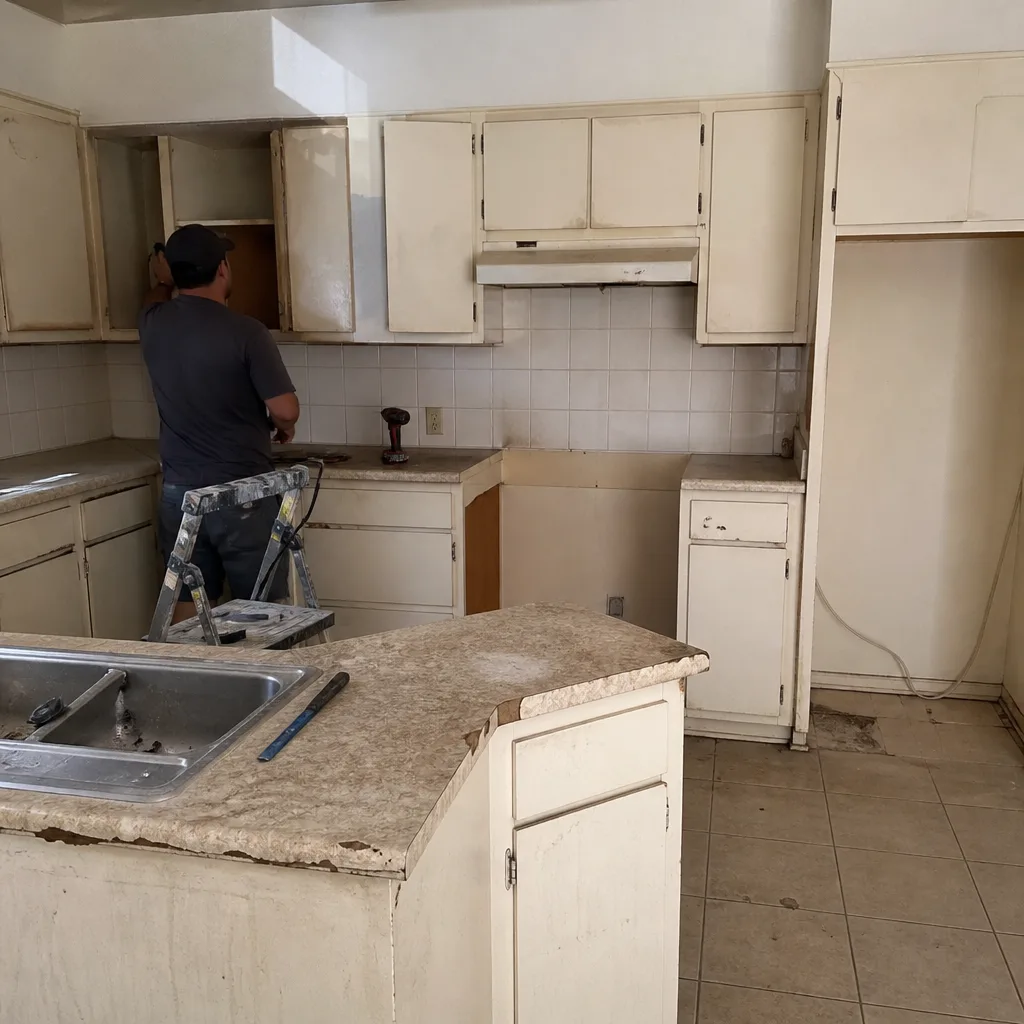 Before
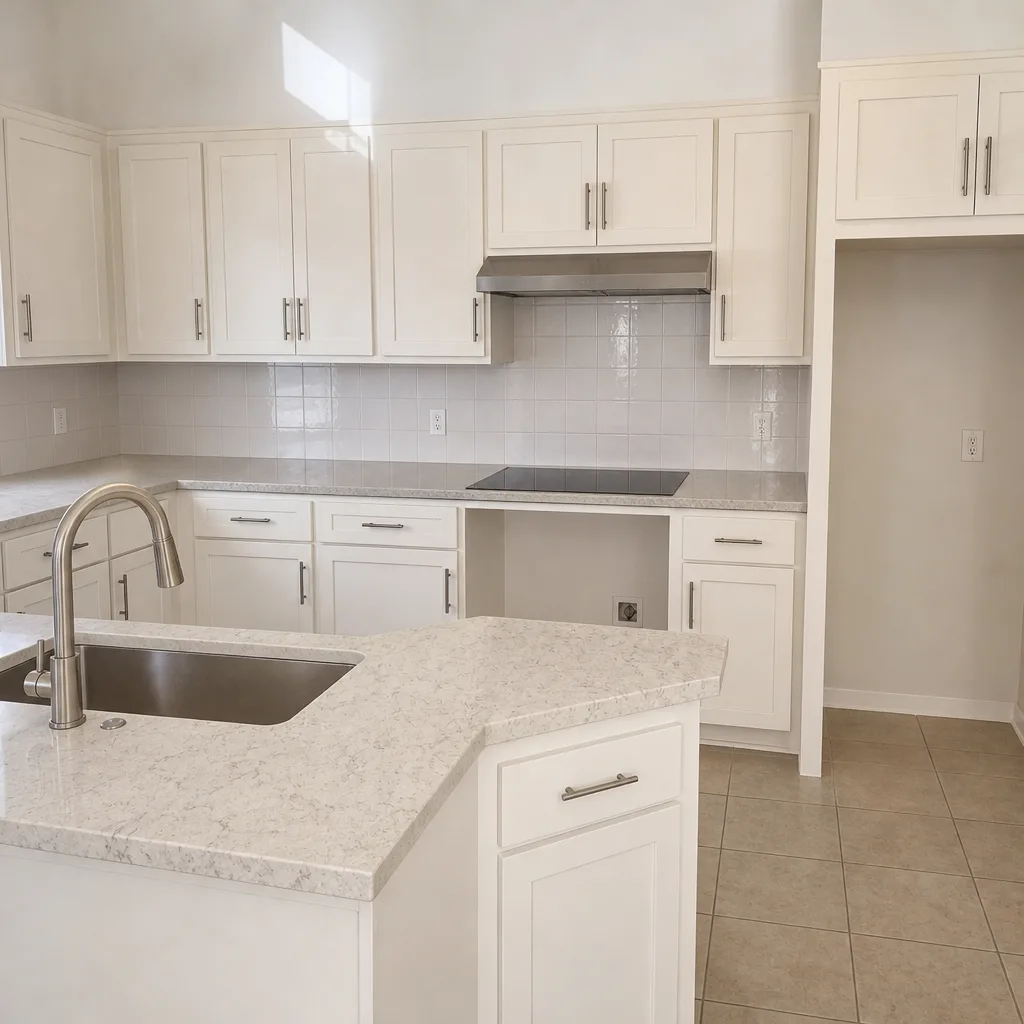 After
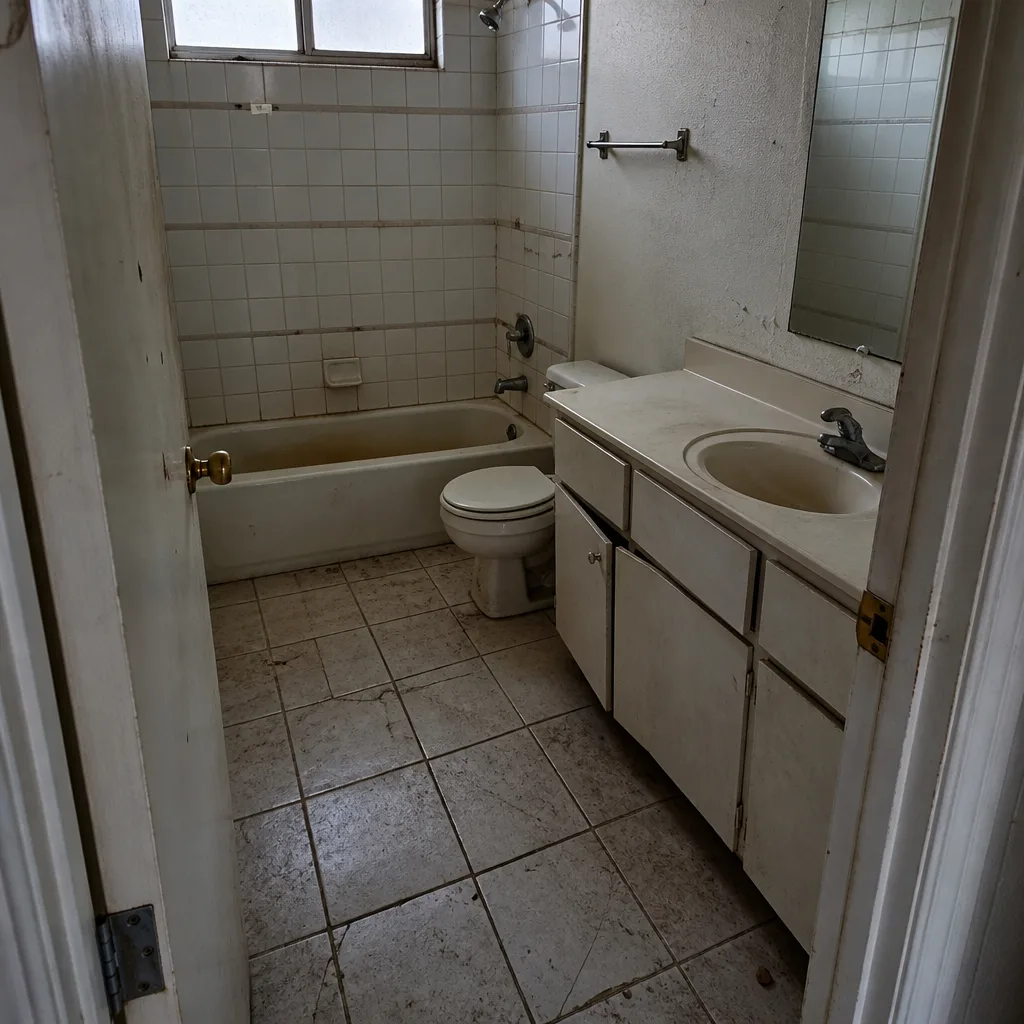 Before
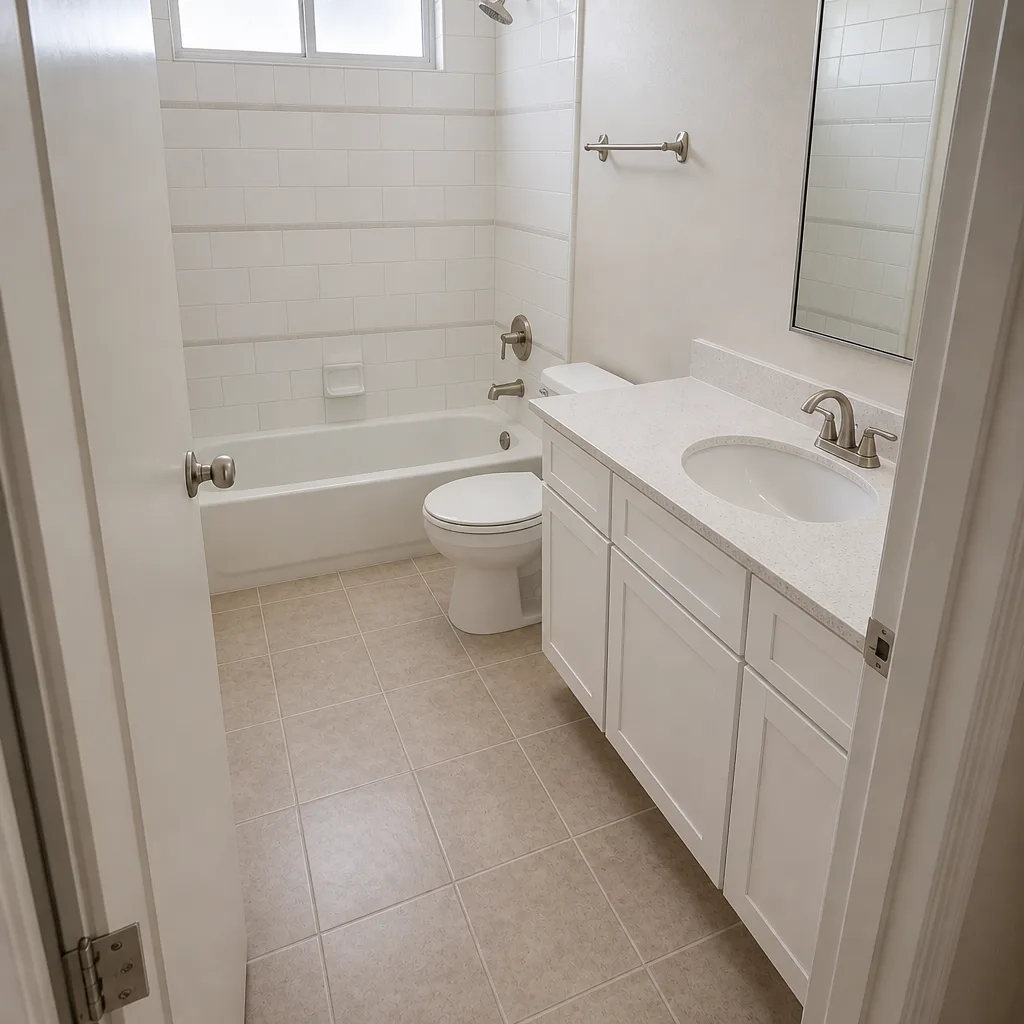 After
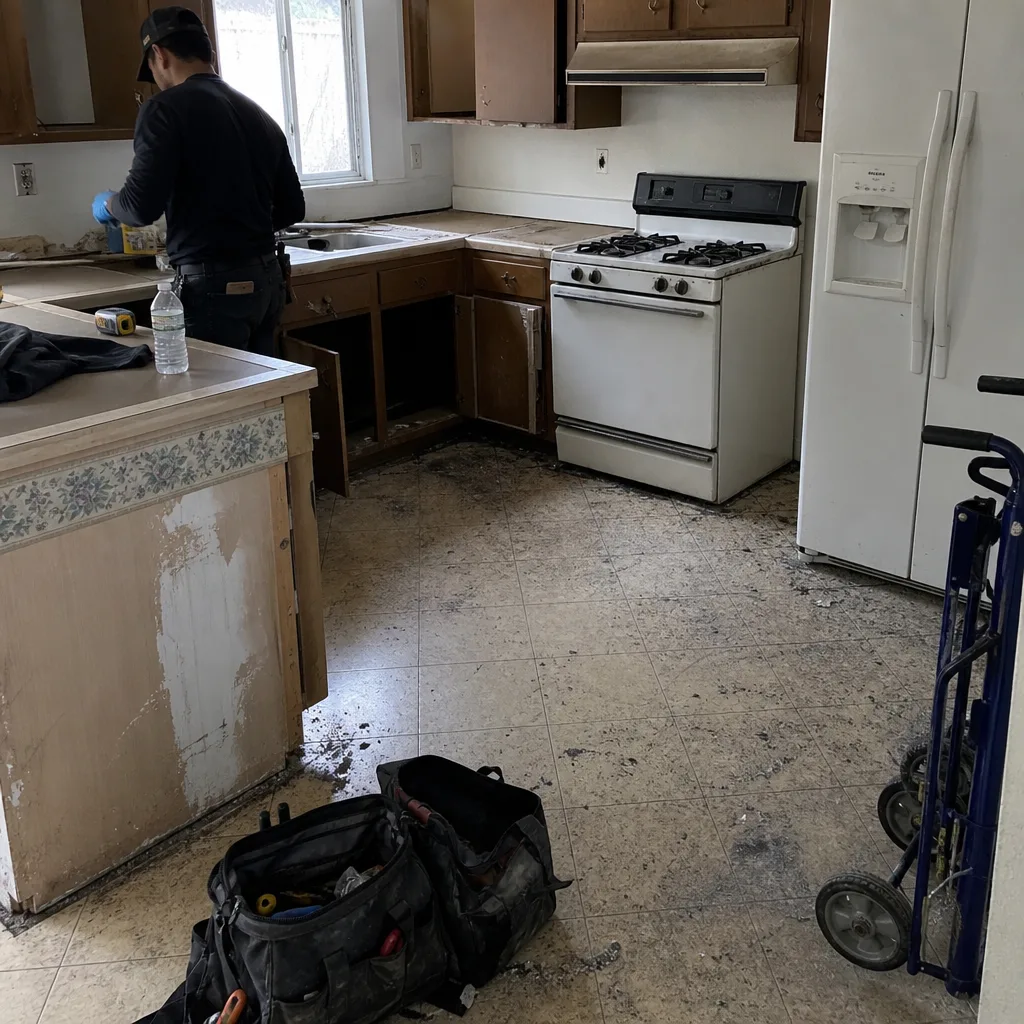 Before
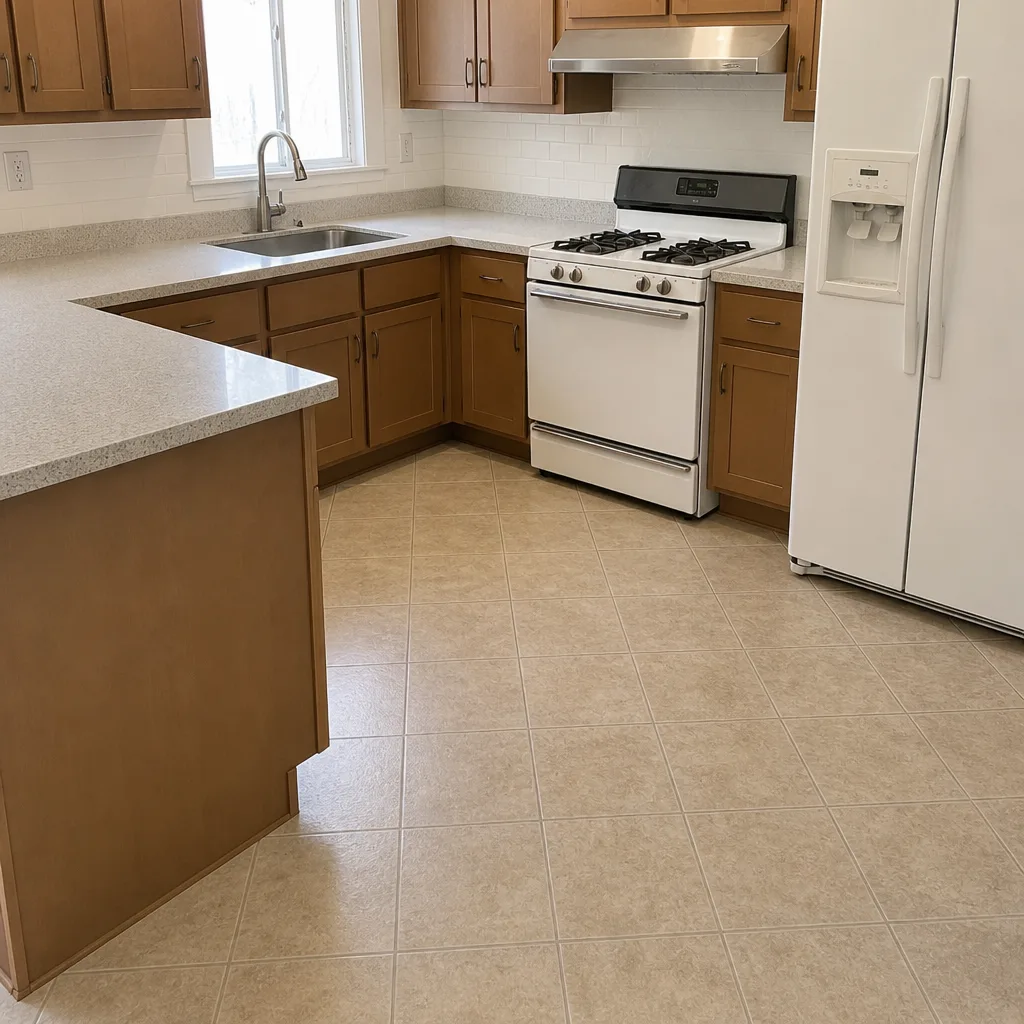 After
Frequently Asked Questions
You can legally do cosmetic and surface work yourself in a bathroom you own and occupy: painting, caulking, tile on a sound substrate, vanity and mirror swaps, cabinet hardware, fixture replacements on existing shutoffs, and flooring. Any work that moves a drain, a supply line, an electrical circuit, or a structural wall requires a licensed trade and a permit. The single most reliable test is whether the plan opens a wall to access rough-in, and if it does, it’s licensed-trade work.
No. Owner-builder status lets you pull a permit on your own residence for your own occupancy, but it doesn’t grant a license and it doesn’t authorize plumbing, electrical, or structural work that state law assigns to a licensed trade. It also places the liability on you permanently: the owner-builder affidavit becomes part of the property record, and there’s no contractor bond or insurance behind the work if it fails later.
Yes. Homeowner’s policies commonly exclude water damage that results from unpermitted or improperly done work. If a homeowner relocates a drain without a permit and the shower pan fails into the subfloor, the policy may deny the water-damage claim because the work violated the policy’s construction and permit conditions. That turns a $4,000 to $9,000 repair into an out-of-pocket cost with no recourse except against the homeowner’s own budget.
The waterproofing membrane in a shower pan. It’s the most expensive legal DIY failure because it leaks where you can’t see it, into the subfloor and the ceiling below, and the visible symptom shows up months after the tile is finished. Summerlin’s dry air hides moisture well, so a slow leak can run for a year before it’s caught. A licensed contractor who backs the work with a written guarantee corrects it at no charge; a homeowner absorbs the full correction cost.
It usually does. Nevada’s seller’s disclosure form asks whether permits were obtained for alterations, and an unpermitted bathroom is a material defect a buyer’s inspector will flag. Inspectors pull Clark County permit history and look specifically for a missing shower pan flood test, GFCI location problems, a low toilet flange, and an attic or soffit vent termination. The negotiated price cut typically exceeds the permit fee by a wide margin.
On a 50 to 60 square foot hall bath, a homeowner who sticks to the legally safe tasks saves roughly $1,500 to $2,500 in labor: tile floor, vanity swap, fixture replacement, toilet replacement. Doing the risky tasks themselves to save another $4,000 exposes them to a correction cost of $4,000 to $9,000 if a shower pan or a GFCI fails. The math rarely favors the second path. Call (844) 588-0072 for a written line-item quote to compare your own math against – estimates are free.
The Bottom Line
The DIY vs. professional question in a Summerlin bathroom comes down to three lines you can’t cross without exposure: plumbing rough-in, electrical circuits, and structural framing. Cosmetic and surface work on a sound substrate is a real, defensible DIY saving of $1,500 to $2,500 on a hall bath. The hidden-risk tasks – waterproofing membrane, GFCI placement, toilet flange height – are legal but can cost $4,000 to $9,000 to correct when they fail. Owner-builder status in Clark County doesn’t grant a license and doesn’t transfer liability. And unpermitted work follows the house to resale, where a buyer’s inspector and a disclosure form will find it. The reliable path is either doing the safe work with a permit for the rest, or handing the full scope to a licensed contractor who puts the price and the guarantee in writing. Bradford Remodeling Co Summerlin works with a documented roster of name-brand materials including KraftMaid cabinetry and Kohler fixtures, and every completed project is covered by the 365-Day Done Right Promise. Call (844) 588-0072 for a free estimate.
Written by the team at Bradford Remodeling Co Summerlin.