Last updated November 17, 2026



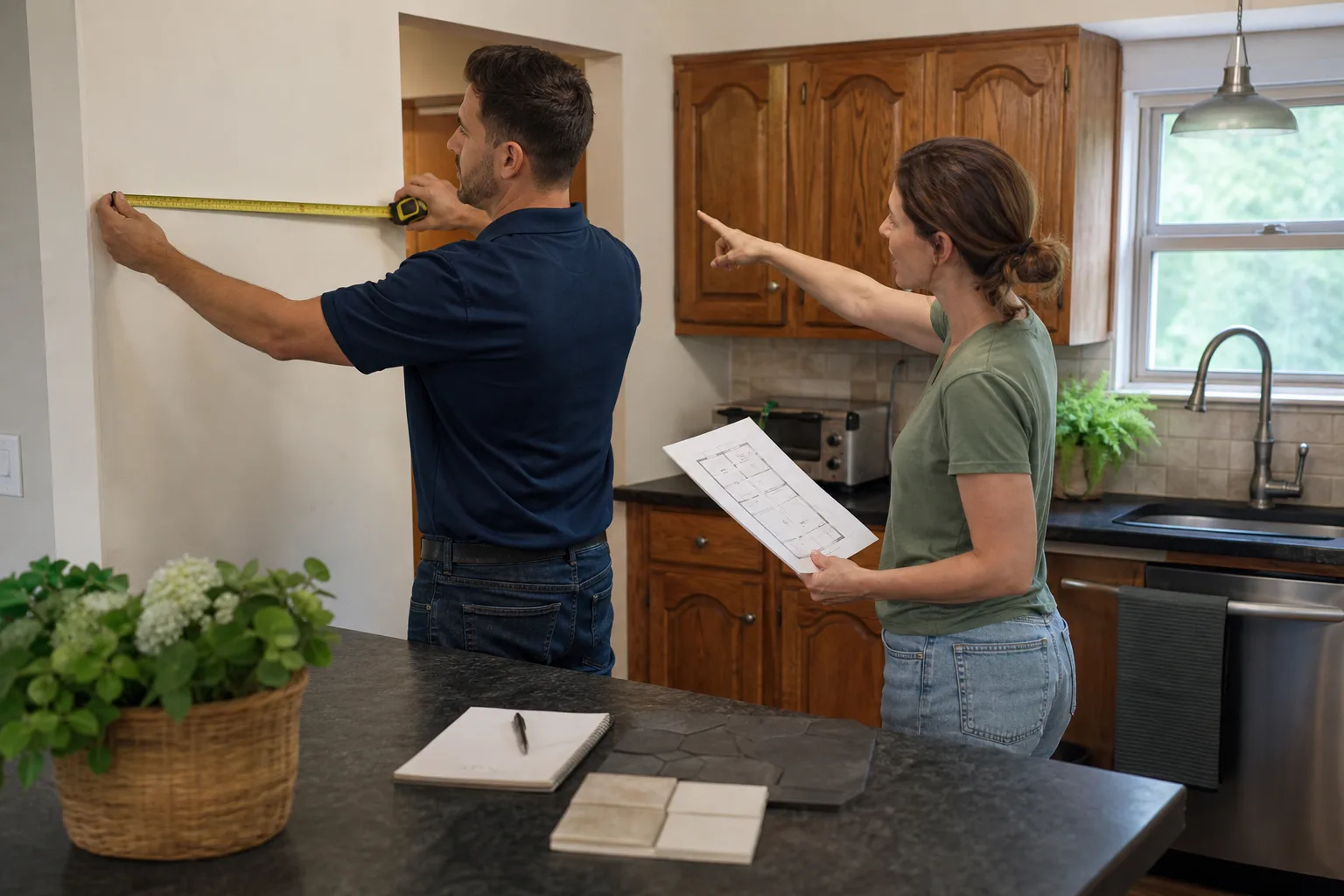
Free written scope consultation - allowances, timeline, and change-order rules on paper before a single trade is scheduled
DIY vs Professional General Contractor: What’s Safe to Do Yourself
Most homeowners insurance policies in Nevada contain a clause almost nobody reads until it matters: unpermitted work that contributes to a loss can void the claim. That means the tile floor you laid yourself in Summerlin could cost you a full kitchen replacement if a supply line fails behind it and the adjuster finds no permit on record. The DIY-or-hire question isn’t really about how handy you are. It’s about permit exposure, liability transfer, and what happens when unlicensed work surfaces during a sale. This guide draws that line using Nevada code, not confidence level.
Quick Answer
Paint, non-structural demolition, finish hardware, and landscaping are genuinely safe to do yourself in Nevada. Anything behind drywall, anything touching the load path of the house, and anything that requires a permit should be done by a licensed trade. The line isn’t drawn by skill. It’s drawn by whether a future loss, a home inspection, or a resale disclosure can trace back to work that was never permitted or inspected.
Styles & brands we work with
- Kitchen remodeling
- Bathroom remodeling
- Home additions & ADU
- Roofing
- Windows & doors
- Driveway & pavers
- Fence
Table of Contents
- What Nevada’s Owner-Builder Exemption Actually Permits
- Low-Risk DIY That Genuinely Saves Money
- Where DIY Creates Compounding Liability
- How Unpermitted Work Gets Discovered and What It Costs
- What You Can Owner-Manage vs. What Must Be Licensed
- The Insurance Clause That Changes the Math
- Summerlin-Specific Considerations
- Common Mistakes to Avoid
What Nevada’s Owner-Builder Exemption Actually Permits
Nevada allows a homeowner to act as their own “owner-builder” and pull permits for work on a property they own and occupy. That exemption is real, and it’s the reason some homeowners manage their own projects legally. But the exemption has limits most people don’t know about until they’re standing at a closing table.
The owner-builder exemption does not permit you to build for sale or for rent on a repeated basis. It is intended for your own residence. It does not exempt you from building codes, inspections, or the sequence of trade inspections a permit requires. It just means you can be the name on the permit instead of a licensed general contractor.
What catches homeowners by surprise is the disclosure side. In Nevada, selling a home typically requires a seller’s real property disclosure form. If unpermitted work exists and you know about it, that disclosure becomes a legal issue, not just a project detail. Buyers and their inspectors are looking for exactly this.
Two practical things to know:
- Pulling an owner-builder permit means you personally schedule and pass each inspection. Failing an inspection can delay finish work, and re-inspections cost time and money.
- An owner-builder permit does not transfer warranty obligations the way a licensed contractor’s warranty does. If you sell within a few years, the buyer inherits your work, not a contractor’s written guarantee.
If the scope requires multiple trades and a final inspection, that’s a signal to bring in a General Contractor in Sandy Valley rather than attempt to sequence inspections yourself on unfamiliar trades. We’ve watched more than a few owner-builder projects in Summerlin stall at the rough-in inspection because the electrical and plumbing sign-offs didn’t line up with the framing schedule.
Low-Risk DIY That Genuinely Saves Money
There’s real money to be saved on the right tasks, and none of them touch the permit line. The test we use with homeowners in Summerlin is simple: if the work fails, does it cause a loss that reaches the insurance policy, the load path, or a municipal inspection? If the answer is no, it’s fair game.
Interior painting is the clearest example. Prep, primer, two coats, and clean edges are craft work, not licensed work. A homeowner with a decent brush and a weekend can do a bedroom or a hallway without any permit consideration. Exterior painting at height is a separate question, and we’d flag the safety side of that on a two-story Summerlin home.
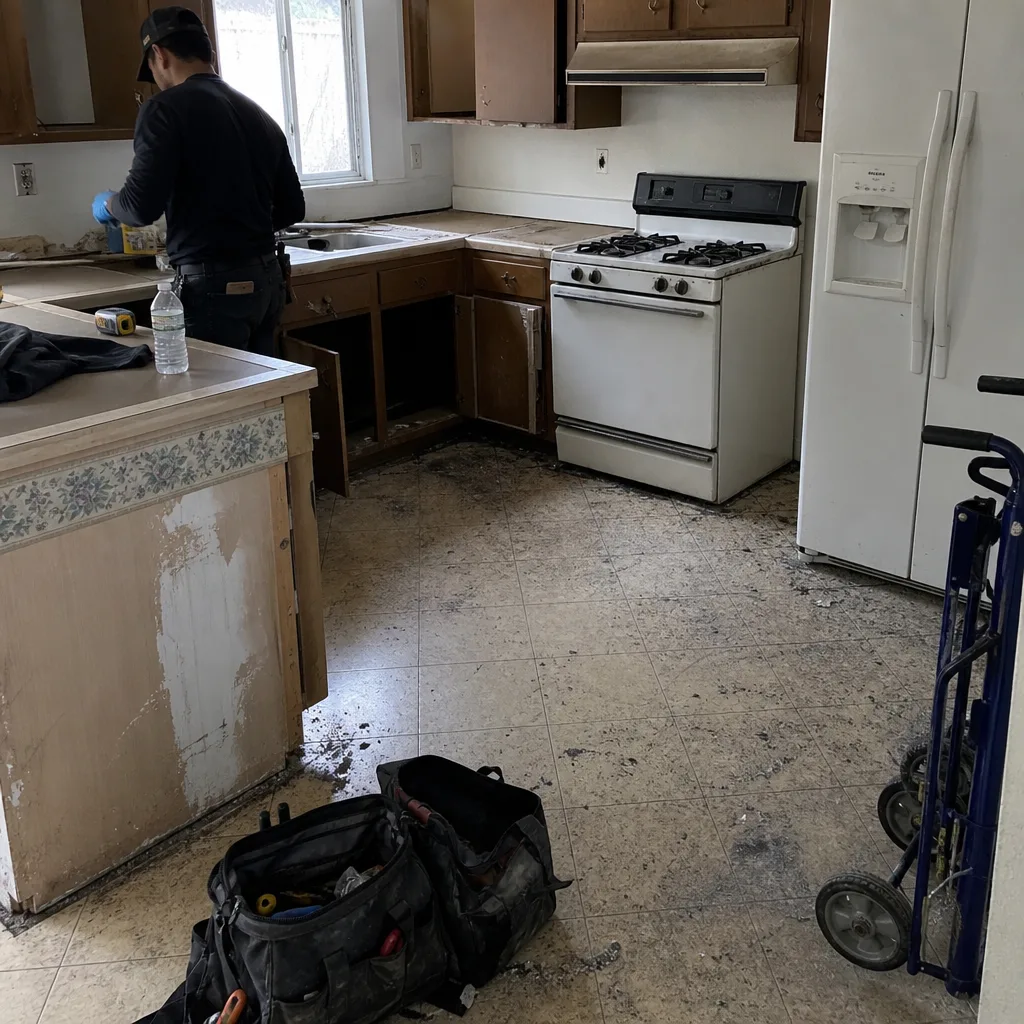
Non-structural demolition is also fair game. Removing old cabinets, tearing out a carpet, pulling down a non-load-bearing closet that a licensed person has confirmed isn’t structural, all of that saves labor dollars without exposure. The key qualifier is confirmation. A homeowner should never assume a wall is non-structural based on where it sits.
Finish hardware rounds out the list: cabinet pulls, door knobs, towel bars, vanity lighting on an existing circuit, and shelving. These are reversible, don’t involve the code, and don’t trigger inspections.
Landscaping outside the hardscape line is the fourth category. Planting, sod, drip irrigation at the surface, and mulch are all homeowner work. Hardscape that ties into a retaining wall or a pool deck crosses into engineered territory.
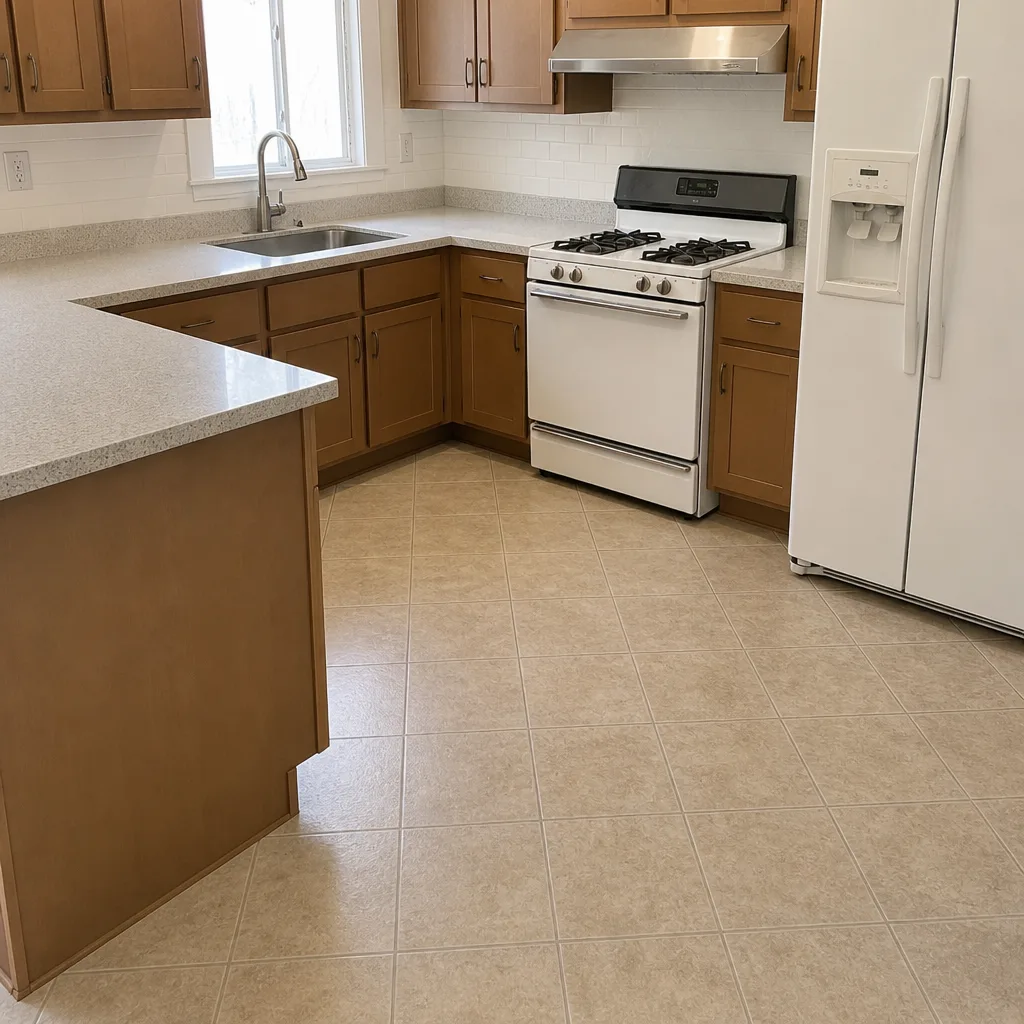
Where the low-risk work runs into the licensed work is where the real money lives. A homeowner who does their own demo but hires out the electrical and plumbing rough-in often ends up with the best value on the project. If you’re planning a Kitchen Remodeling in Sandy Valley or a similar scope, that split is worth mapping out with a licensed contractor before you start swinging a hammer.
Where DIY Creates Compounding Liability
Compounding liability is the phrase we use because it’s the honest description. A mistake in a permitted, inspected trade usually gets caught. A mistake in the same trade done without a permit often doesn’t surface for months or years, and by then it has damaged things around it.
The categories that count as compounding are consistent:
- Anything behind drywall. Plumbing, electrical, and gas lines are closed up. A slow leak or a missing nail plate doesn’t announce itself until a wall is soft or a circuit is arcing.
- Any work touching the load path. Removing or modifying a structural wall, cutting a beam, or altering a header requires an engineered design. This is not a judgment call for a confident homeowner.
- Any work requiring a permit. If the municipal code calls for a permit, the point isn’t bureaucratic. It’s the inspection that catches the mistake before drywall.
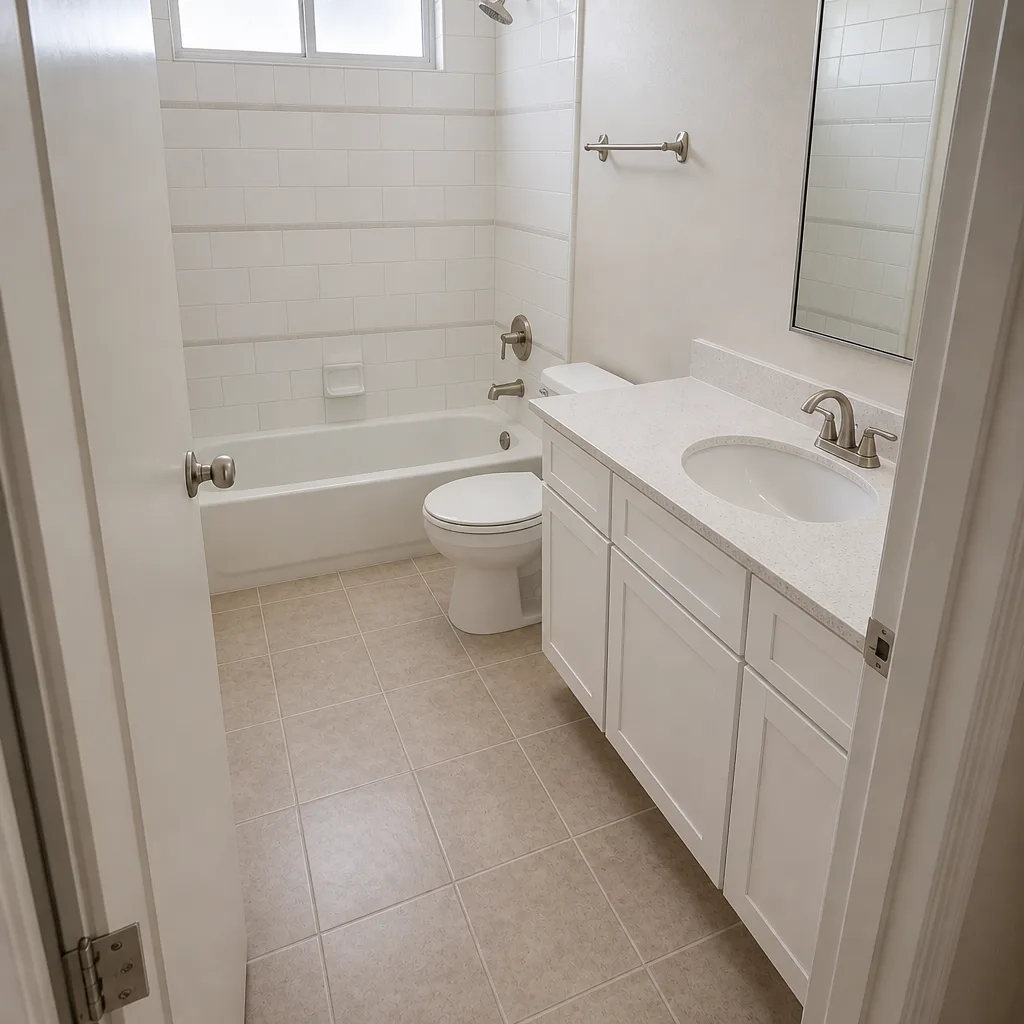
- Waterproofing in wet areas. Shower pans and floor waterproofing fail quietly and expensively. Once you’ve replaced a full Bathroom Remodeling in Sandy Valley project’s worth of tile because the pan leaked, the DIY savings are long gone.
- Gas connections and appliance swaps. Any gas line, even a like-for-like range swap, warrants a licensed plumber in most jurisdictions. This is a real safety item, not a technicality.
We tell homeowners the same thing on every estimate: if it’s behind drywall or in the load path, the DIY savings never survive the first failure. The math doesn’t work. And the failure is almost always discovered by someone else, at the worst possible time.
How Unpermitted Work Gets Discovered and What It Costs
Unpermitted work in Nevada gets caught during a sale. That’s the short version. The steps below are the sequence we’ve seen play out on Summerlin resales.
- Buyer orders a home inspection. A competent inspector looks at permit history through the local building department and flags anything that appears unpermitted: a new bathroom that appears in a renovation, a wall that’s been moved, a water heater installed without a permit.
- Buyer’s agent requests permit documentation. The seller either produces a permit record or the buyer has a problem to price.
- Appraisal and lender review. Some appraisals flag unpermitted square footage and the lender may not count the added square footage toward value.
- Remediation path. Either the seller permits the work retroactively (which may require opening walls for inspection), or the deal adjusts price or stalls. Retroactive permits are often the most expensive version of a permit, because the work has to be exposed and inspected after the fact.
The cost comparison is stark. A permit and inspection on a bath remodel runs in the hundreds of dollars in most Nevada jurisdictions. Remediation of unpermitted work during a sale – opening walls, re-inspecting, sometimes redoing the work to standard – routinely costs thousands, and can run into five figures if structural work is involved. And it happens on a clock, at the worst moment, with a buyer who now has leverage.
We’ve watched Summerlin sellers absorb a full bathroom replacement in the eleventh hour because a shower pan never had a permit and the inspector caught it. The homeowner saved money on the original install. They spent multiples of that saved money at closing.
What You Can Owner-Manage vs. What Must Be Licensed
“General contractor” scope breaks into two buckets. One is project management, and homeowners can absolutely do that. The other is licensed-trade execution, and homeowners cannot touch it without either being licensed themselves or hiring someone who is.
What a homeowner can reasonably own:
- Scheduling the trades in the right sequence
- Purchasing the material: cabinets, flooring, fixtures, paint
- Site prep, cleanup, and hauling
- Keeping a written log of what was done, by whom, and on what date
What must be licensed-trade executed:
- Electrical rough and finish work
- Plumbing, including any gas line work
- Structural modifications and framing
- HVAC installation and refrigerant work
- Waterproofing and tile in wet areas
- Roofing and any exterior envelope work
Owner-managing the schedule and the purchasing while hiring licensed trades is a legitimate strategy. What it requires from the homeowner is real project management time and a written scope that every trade signs up to. In our experience, the projects that break down are the ones where the homeowner tried to owner-manage a scope they hadn’t written down. Depending on what you’re building, a documented brand roster helps: KraftMaid and Wellborn cabinetry, Cambria and Caesarstone surfaces, Kohler and Moen fixtures, GAF roofing, James Hardie siding, Therma-Tru doors, and Belgard or Ameristar for exterior hardscape and fencing. Documented specs travel better than verbal ones when you’re coordinating multiple trades.
If you’re remodeling a whole home, the licensing math usually tips toward one contractor owning the build. A Bradford Remodeling Co Summerlin home renovation typically involves four to six licensed trades under one permit. Coordinating that as an owner-builder is possible, but the inspection sequencing is where most homeowner-managers get stuck.
The Insurance Clause That Changes the Math
Standard homeowners policies in Nevada generally contain language that limits or voids coverage when a loss is attributable to non-permitted or non-compliant work. The specific wording varies by carrier, and homeowners should read their own policy, but the pattern is consistent enough to matter.
The scenario is this: a supply line behind a tiled shower fails. The adjuster finds the shower was installed without a permit. The insurer can argue the loss was caused by work that wasn’t inspected to code, and coverage for the resulting damage becomes a negotiation instead of a claim. In the worst case, the whole claim is denied. In practice, the homeowner often eats the interior repair and the mold remediation while arguing with the carrier.
That math reads like this:
- Permitted bathroom remodel with licensed plumbing and inspection: the plumbing failure is still an insurance matter, because the work was code-compliant when installed.
- Unpermitted bathroom remodel: the plumbing failure is a fight with the carrier, often ending with the homeowner paying.
There’s a second layer. If the loss involves personal injury to a guest or a future buyer’s contractor, the liability side goes beyond the property policy. Unlicensed work performed by a hired hand rather than the owner is a separate exposure entirely, and it can invalidate coverage on both sides. That’s why every professional we work with is licensed, insured, and bonded, and why we disclose that in writing before a project starts.
Summerlin-Specific Considerations
Summerlin has its own layer of project review on top of the municipal code. Many villages within Summerlin are governed by architectural review requirements through the master association, particularly for exterior changes: paint colors, rooflines, fencing, hardscape, and solar. That’s not a municipal permit, but it functions like one if you skip it.
The practical implication for a homeowner planning DIY work is that any exterior change in Summerlin likely requires a design review submission, even work you’d consider cosmetic. Fence replacement, for example, needs to match the community palette and height standards. A homeowner who installs a Jerith or Bufftech aluminum fence in the wrong profile may end up pulling it out.
Summerlin’s climate affects interior work as well. The hot, dry summers push HVAC systems hard, and homeowners who self-install or modify ductwork often discover the return air sizing doesn’t meet the load. We’ve seen this most often in the older Summerlin villages where homes were built to different HVAC standards. Own the load with caution.
And Summerlin’s resale market is competitive enough that unpermitted work gets caught fast. Buyers in this market expect documented permits on any remodel that touches systems. A permitted project with a clean inspection record is a selling point. An unpermitted one is a negotiating chip the seller didn’t plan on giving away.
Common Mistakes to Avoid
- Assuming a wall is non-structural without confirmation. We’ve seen homeowners punch out what looked like a closet partition in Summerlin and find a load-bearing header behind the drywall. Never remove a wall on visual judgment alone.
- Skipping the permit to save the money. The permit is often the cheapest insurance on the project. The remediation during a sale is where the real cost lands.
- Self-installing plumbing or electrical behind drywall. It’s the single most common source of unpermitted work we find on Summerlin remodel estimates. The mistake is invisible until it isn’t.
- Hiring a handyman for licensed-trade scope. A handyman is not a licensed electrician, plumber, or structural contractor. Paying one to do licensed work is the worst combination: no permit, no license, no warranty.
- Not keeping documentation. Photos, receipts, and permit records matter at resale. A homeowner who did the demo and hired out the trades should keep every piece of paper.
- Forgetting Summerlin architectural review on exterior work. Fencing, paint, and hardscape often need design review before installation. Skipping it usually means redoing the work.
- Assuming insurance will cover a failed DIY repair. Read the policy first. The unpermitted-work clause in Nevada policies is the one clause that changes the DIY math the most.
See the difference
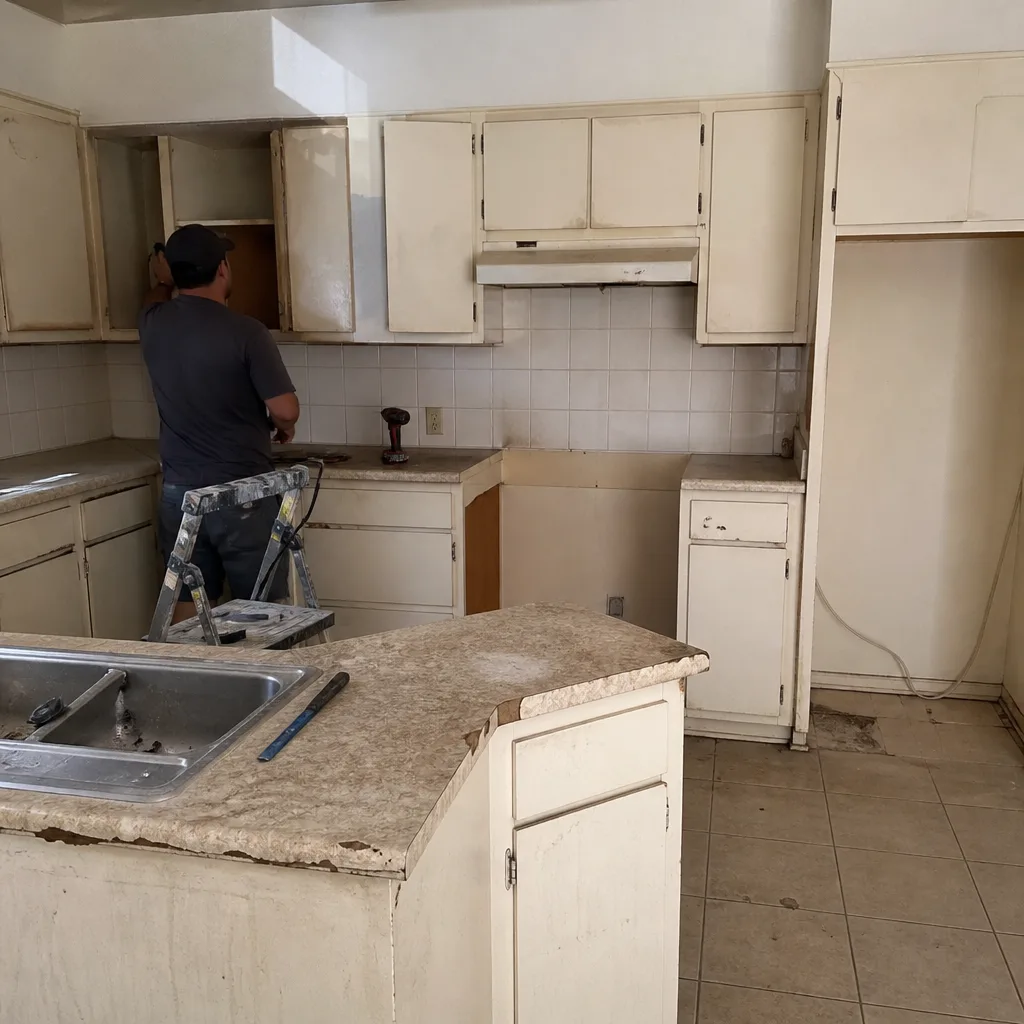 Before
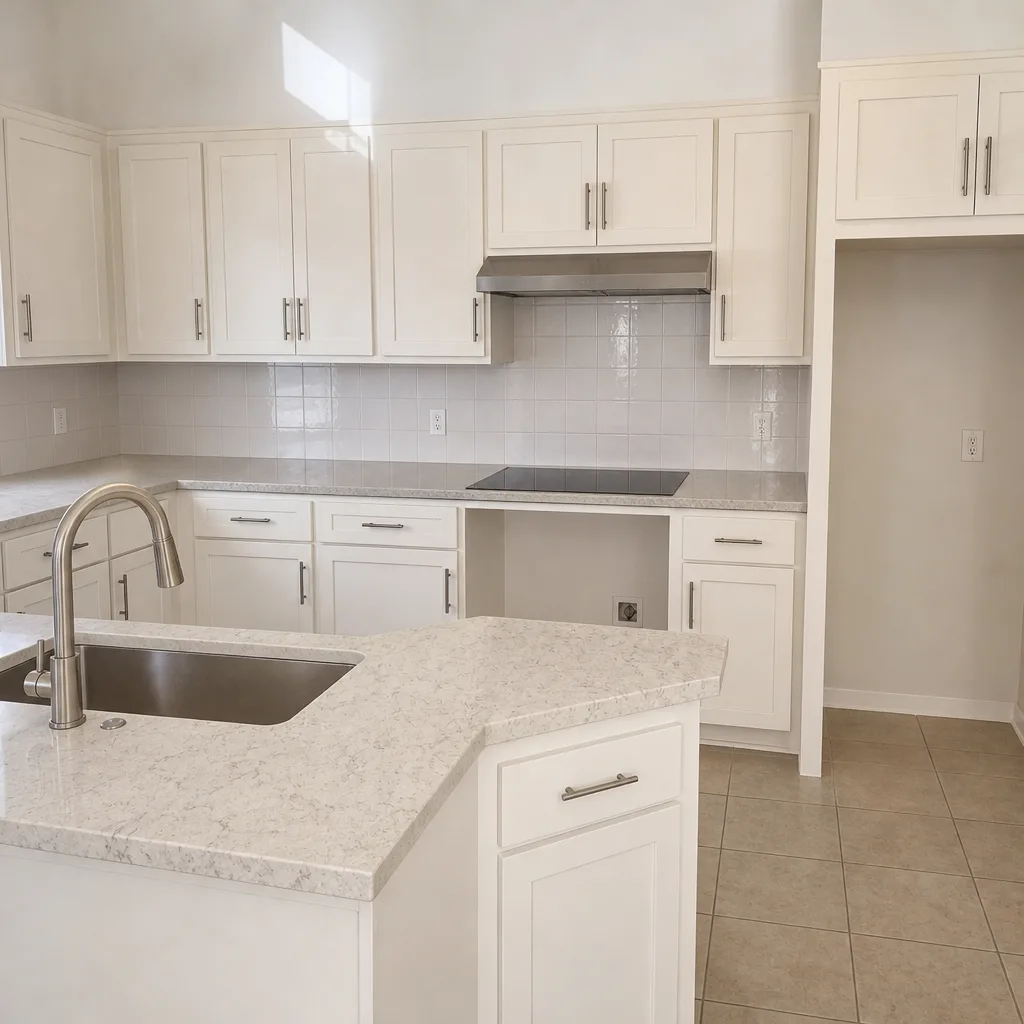 After
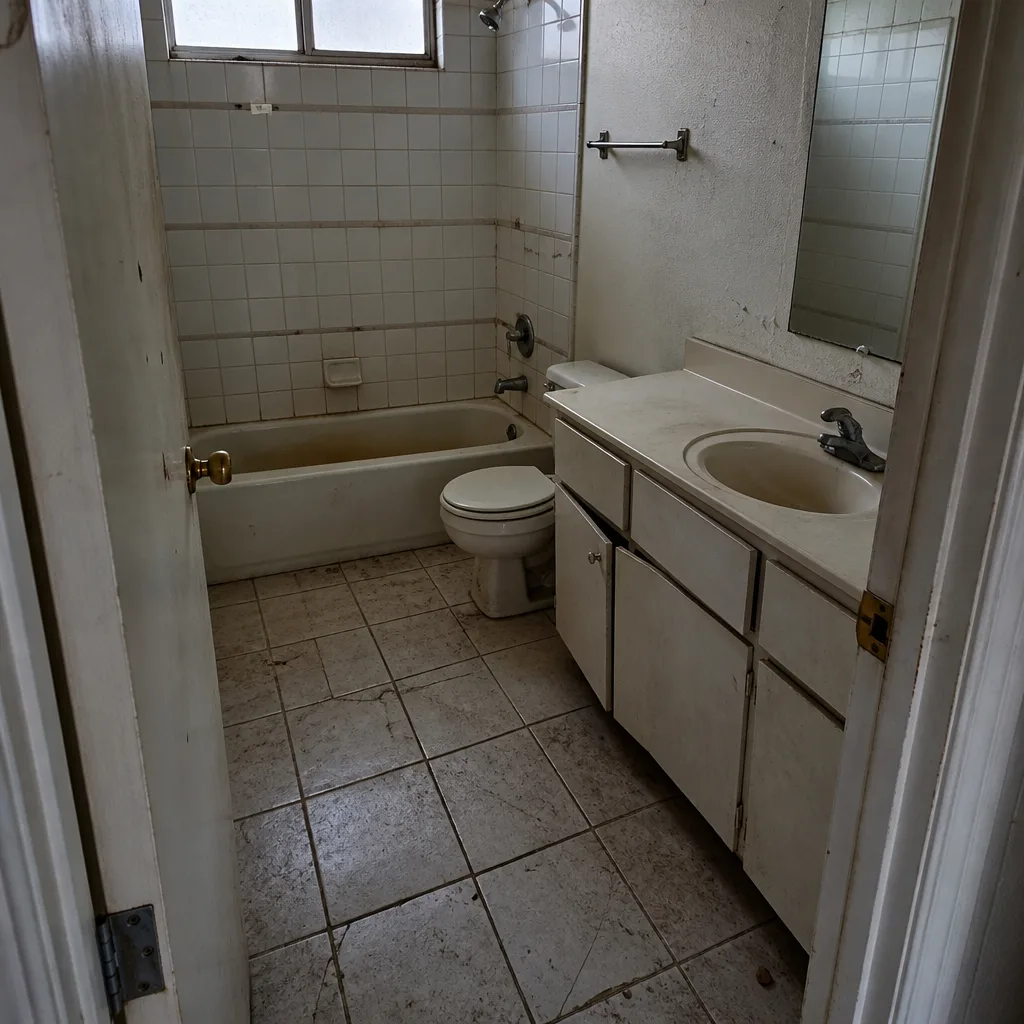 Before
 After
 Before
 After
When to Call a Professional
Bring in a licensed professional when the scope includes any of the following: work behind drywall, work that touches the load path, any permit-required task, any gas line, any structural opening, any full-bath or full-kitchen gut, or any project where the inspection sequence involves three or more trades. Also bring one in when the timeline matters. Owner-managed projects stall at inspections, and a stalled project is more expensive than a professionally managed one.
Bradford Remodeling Co Summerlin offers free estimates in Summerlin – call (844) 588-0072. Every price is written before work starts, every guarantee is written on the way out, and if the work fails within the full-year window of the 365-Day Done Right Promise, we return and correct it at no charge. A live person answers the phone around the clock, and every crew member is background-checked and uniformed. Estimates are free, and a written line-item quote is included.
Frequently Asked Questions
Nevada’s owner-builder exemption technically allows a homeowner to pull a permit on their own residence, but the electrical work itself must still pass municipal inspection, and most homeowners find the code requirements and inspection sequencing make it impractical. The safer path is to have a licensed electrician do the rough-in and finish, with the homeowner handling the removal and finish work. Call (844) 588-0072 for a free estimate in Summerlin.
Paint, non-structural demolition of non-load-bearing elements, finish hardware, surface-level landscaping, and cosmetic updates on existing circuits generally don’t require permits. Anything that changes the envelope, load path, or systems behind drywall usually does. If you’re unsure whether your scope requires a permit, call (844) 588-0072 and we’ll tell you straight, free of charge.
It can. Nevada policies commonly contain language limiting coverage when a loss is attributable to non-permitted work that wasn’t inspected to code. The specific wording varies by carrier, so homeowners should read their own policy closely. The practical result is that a plumbing failure behind an unpermitted shower install often becomes a homeowner expense rather than a covered claim.
The 365-Day Done Right Promise is a full-year written guarantee on every completed Bradford Remodeling Co Summerlin project. If the work fails within the guarantee period, we return and correct it at no charge. The scope is written on the document itself, so there’s no ambiguity about what’s covered. Call (844) 588-0072 to see the guarantee before you sign anything.
Retroactive permits are typically more expensive than the original permit, because the work often has to be opened up for inspection. Expect a multiple of the original permit cost, plus the labor to expose and re-close the work. Doing it before the sale – or doing it right the first time – is dramatically cheaper than remediating after the inspection report lands. Call (844) 588-0072 for a free estimate if you’re facing the remediation question in Summerlin.
Yes. On any Bradford project, permits are pulled under our license and every inspection is scheduled and passed before work is closed up. That’s the point of the written price – the permit and inspection are part of the scope, not an afterthought. Call (844) 588-0072 for a free estimate and a written line-item quote in Summerlin.
The Bottom Line

The DIY-versus-professional line isn’t about confidence. It’s about permit exposure, liability transfer, and what happens to a homeowner’s insurance policy when unpermitted work is discovered. Paint, non-structural demo, finish hardware, and surface landscaping are worth doing yourself – they save real money and carry no exposure. Anything behind drywall, anything in the load path, any gas line, and any permitted scope belongs with a licensed trade. Nevada’s owner-builder exemption lets a homeowner pull permits on their own residence, but it doesn’t exempt the work from code or from the disclosure requirements at resale. Summerlin’s architectural review adds a layer on exterior work. The right split saves money and avoids the worst kind of surprise at closing.
Written by the team at Bradford Remodeling Co Summerlin.
If you’re pricing a project that crosses the licensed line – a kitchen remodel, a bathroom renovation, a whole-home scope – call (844) 588-0072 for a free estimate. Every price is written before any work starts, every project carries the full-year 365-Day Done Right Promise, and every crew member is background-checked and uniformed. A live person answers the phone around the clock. Estimates are free, and the quote is always in writing.