
Free written scope consultation - allowances, timeline, and change-order rules on paper before a single trade is scheduled
CertainTeed Home Additions & ADU: The Summerlin Owner’s Guide
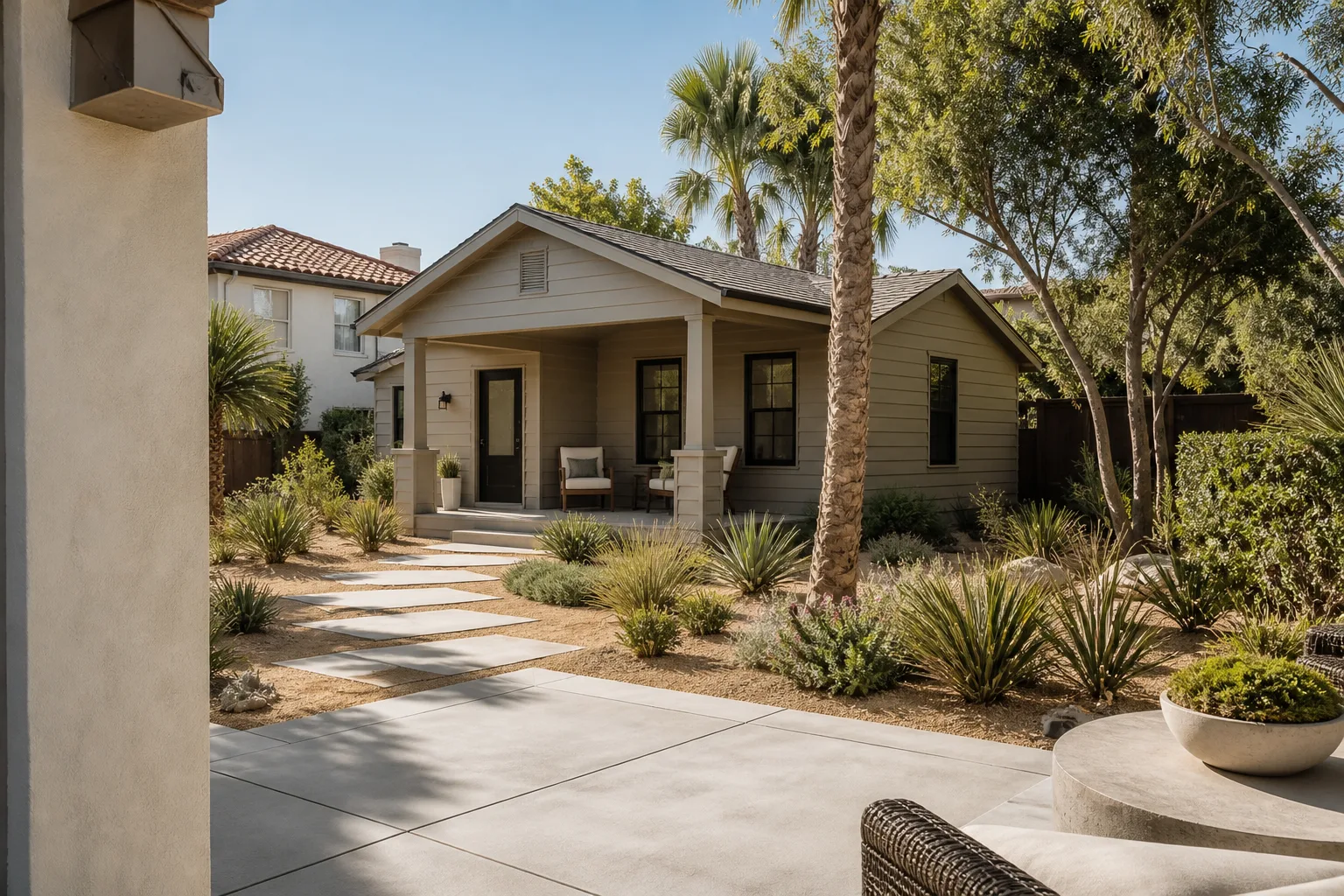
A home addition or ADU built with CertainTeed exterior products (siding, trim, roofing underlayment, and weather barrier systems) runs $45,000 – $130,000 for an addition and $90,000 – $220,000 for a full ADU in Summerlin. Additions and ADUs are planned construction, not emergency work: we schedule the start, pull the permits, and give you the written price before a single tool comes out. There’s no same-day install for a project of this size, and any contractor who tells you there is hasn’t thought it through.
Most Summerlin homeowners don’t find out a CertainTeed exterior was done wrong on day one. They find out two or three summers in, when a siding panel bows along a southwest wall, when a corner trim pops loose after a monsoon gust, or when a ceiling stain shows up in the new room weeks after a rain. Often it traces back to the original install, not the CertainTeed product itself: an underlayment lapped the wrong way, a weather barrier that wasn’t taped correctly, or fasteners that rusted out in the desert heat. That’s the point where the part needs to be matched and the work needs to be redone to spec.
Which CertainTeed Models This Applies To
CertainTeed makes exterior systems across several product lines, and which one you have determines which replacement components fit. For siding, look at the profile and texture: CertainTeed CedarBoards and Monogram lines have specific panel dimensions and a locked nailing hem, and a replacement panel from a different line won’t seat the same way. For roofing underlayment and weather barrier, the product name is usually printed on the roll face, easy to read if the wrap is still exposed or if you have the original spec sheet tucked in your project file.
For trim and corners, match the actual profile, not just the color. A CertainTeed trim piece from one series has a different reveal depth than another, and that difference shows up as a stepped seam on the finished wall.
- Check the label. Siding and trim pieces carry a product identifier on the back face or box; the roofer’s or sider’s invoice also names the product.
- Measure before you order. Panel length, panel thickness, hem depth, and color code all have to match. A mill is not going to cut a mismatched piece for you on the spot.
- OEM vs aftermarket for CertainTeed. The OEM panel is the surest fit and carries the manufacturer’s own warranty. A quality aftermarket panel can be a solid match for a small repair, but check the color lot and the hem dimensions, because a slightly off color in Nevada’s high sun is very visible within two seasons.
If you’ve got the label or a photo of it, that’s all you need to start.
Styles & brands we work with
- Kitchen remodeling
- Bathroom remodeling
- Home additions & ADU
- Roofing
- Windows & doors
- Driveway & pavers
- Fence
Signs Your CertainTeed Home Additions & ADU Is Failing
These are the symptoms Summerlin owners actually describe when an addition or ADU exterior has failed. Each one has a specific cause, and each one is worth identifying before you price a fix.
- Siding panels bowing or wavy on a southwest or west wall. The wall gets the worst of the afternoon sun, and a panel that was nailed tight has nowhere to expand; the wave is the panel trying to move. The fix is re-nailing correctly, not just painting over it.
- Corner trim popping loose after a monsoon gust. This is usually a fastener problem: the wrong fastener type, or too few, or nails placed in the middle of the panel rather than the hem. Fasteners that rust in the dry heat make it worse.
- Ceiling stains or soft spots inside the new room after rain. That’s water getting behind the weather barrier or through a seam. By the time the stain shows inside, the framing behind it has been wet for a while, and that framing has to be opened and dried out.
- A chalky white residue on the exterior surface. Sun and heat break down the surface of low-grade or older material, and it sheds a powder that never washes away clean. On a CertainTeed line, this is usually a sign the install didn’t address the sun exposure correctly.
- Gaps at penetrations: vents, hose bibs, light boxes, and roof-to-wall transitions. These are the spots where weather barrier gets cut and not sealed. The barrier is the layer that keeps water from tracking sideways behind the siding, and every penetration has to be flashed and taped or it fails.
In Summerlin, we regularly see barrier and sealing failures on the south and west faces first, because those walls take the brunt of the sun and the summer storms come from the southwest. If you see any of the above, get it looked at before the next monsoon season.
See the difference
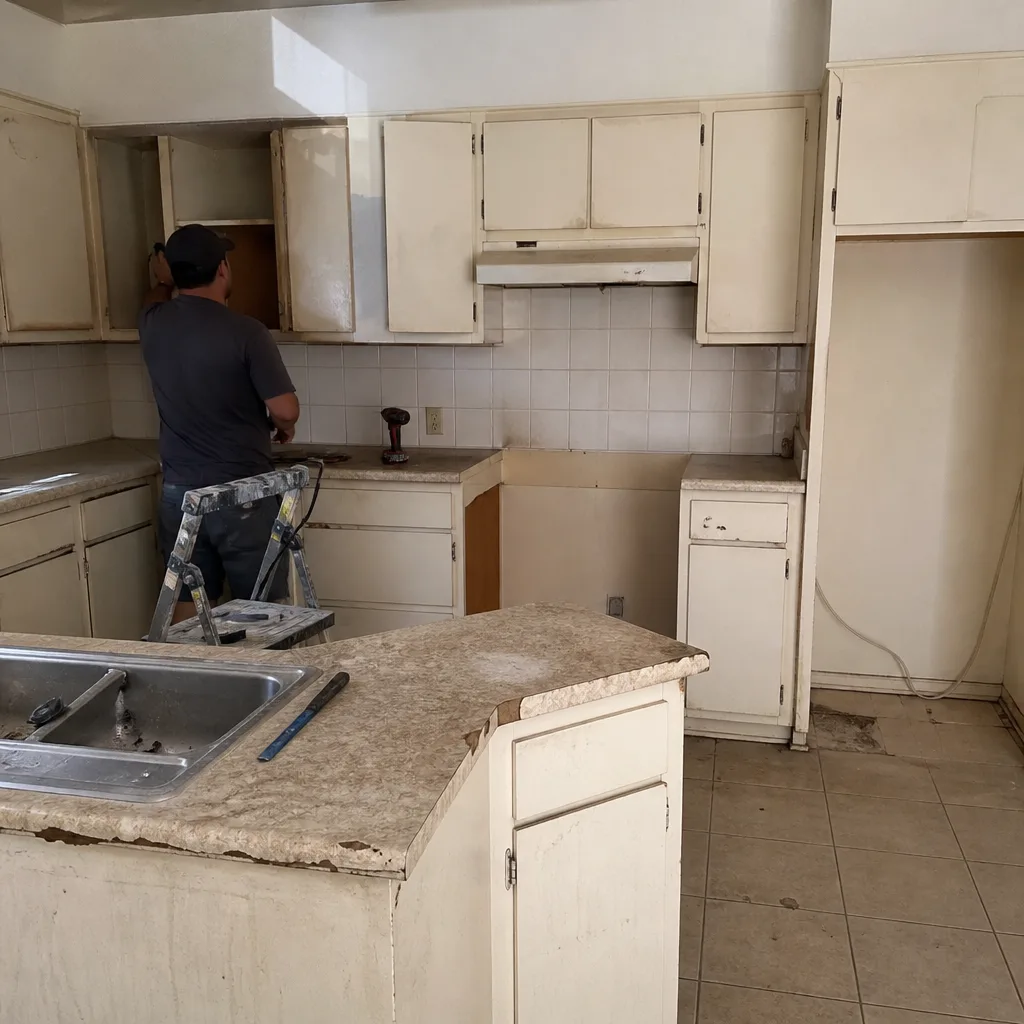 Before
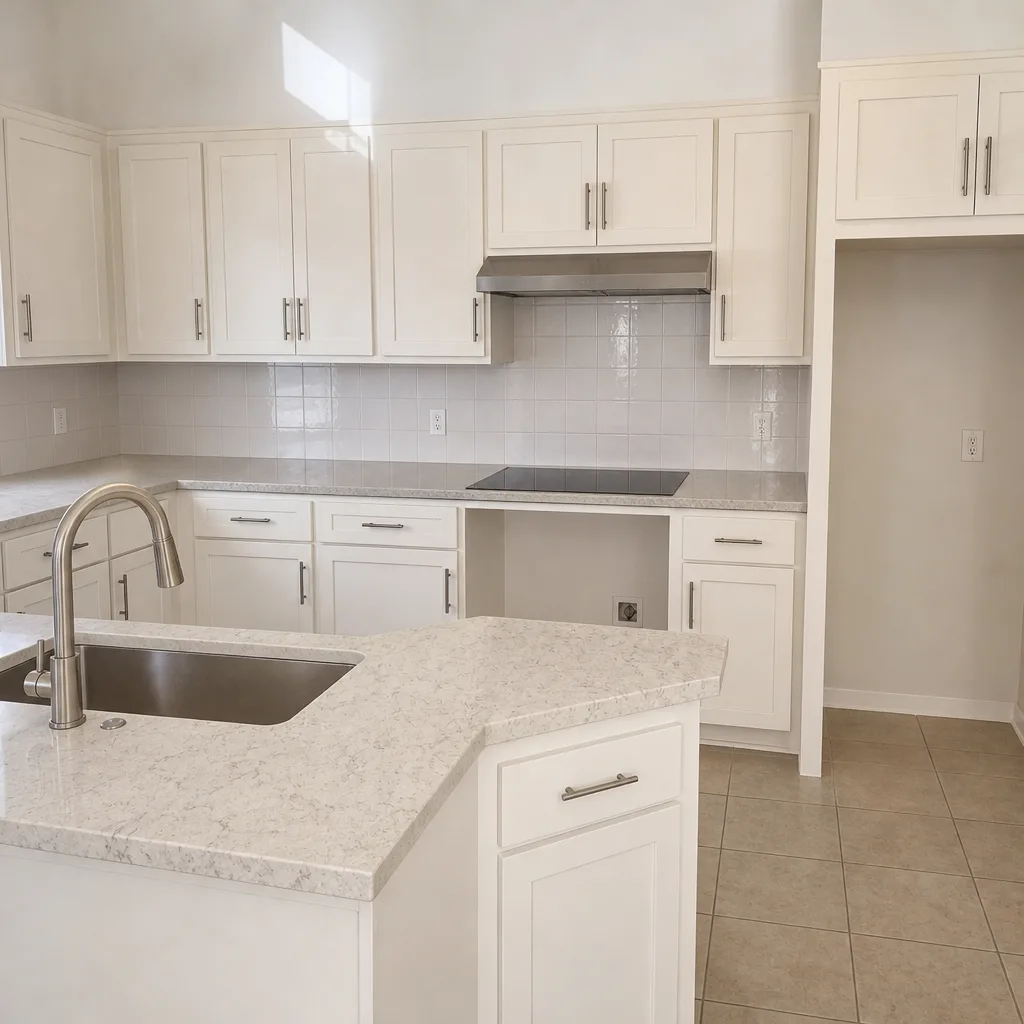 After
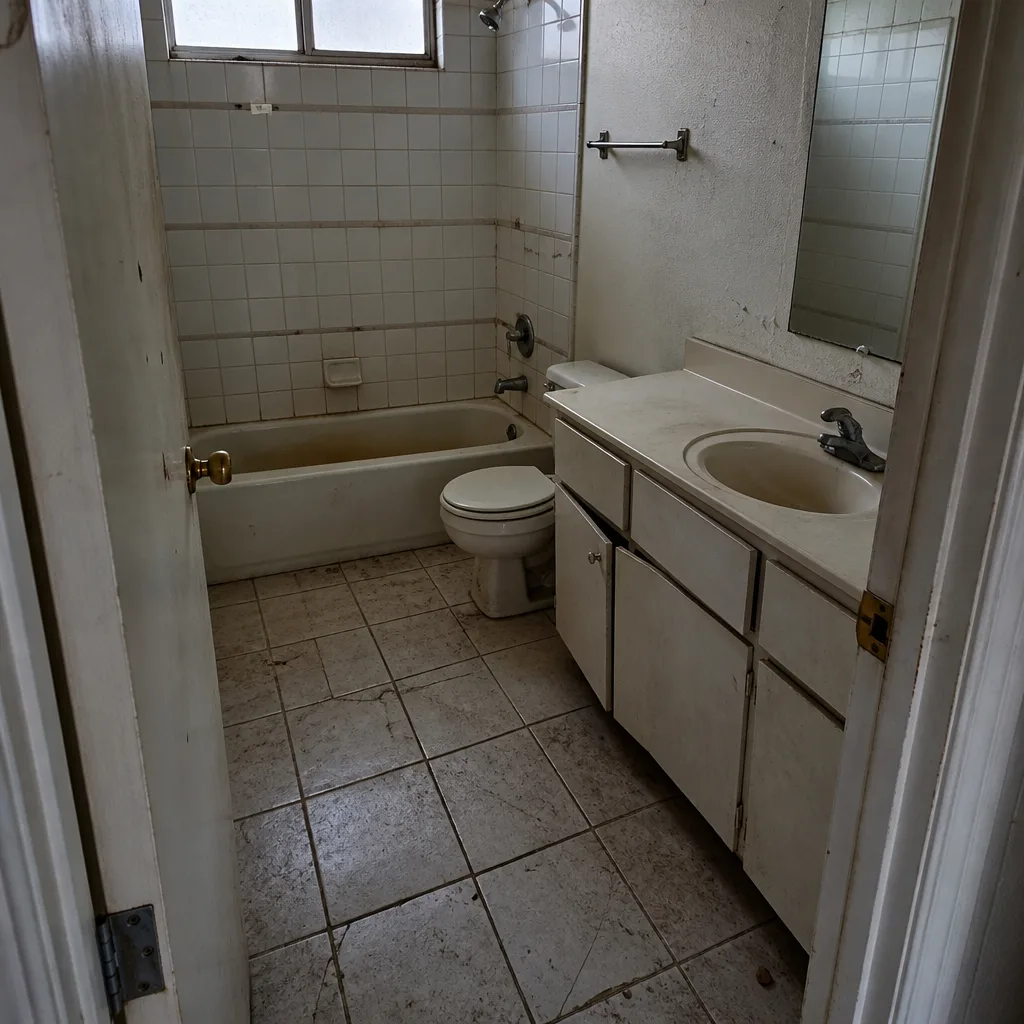 Before
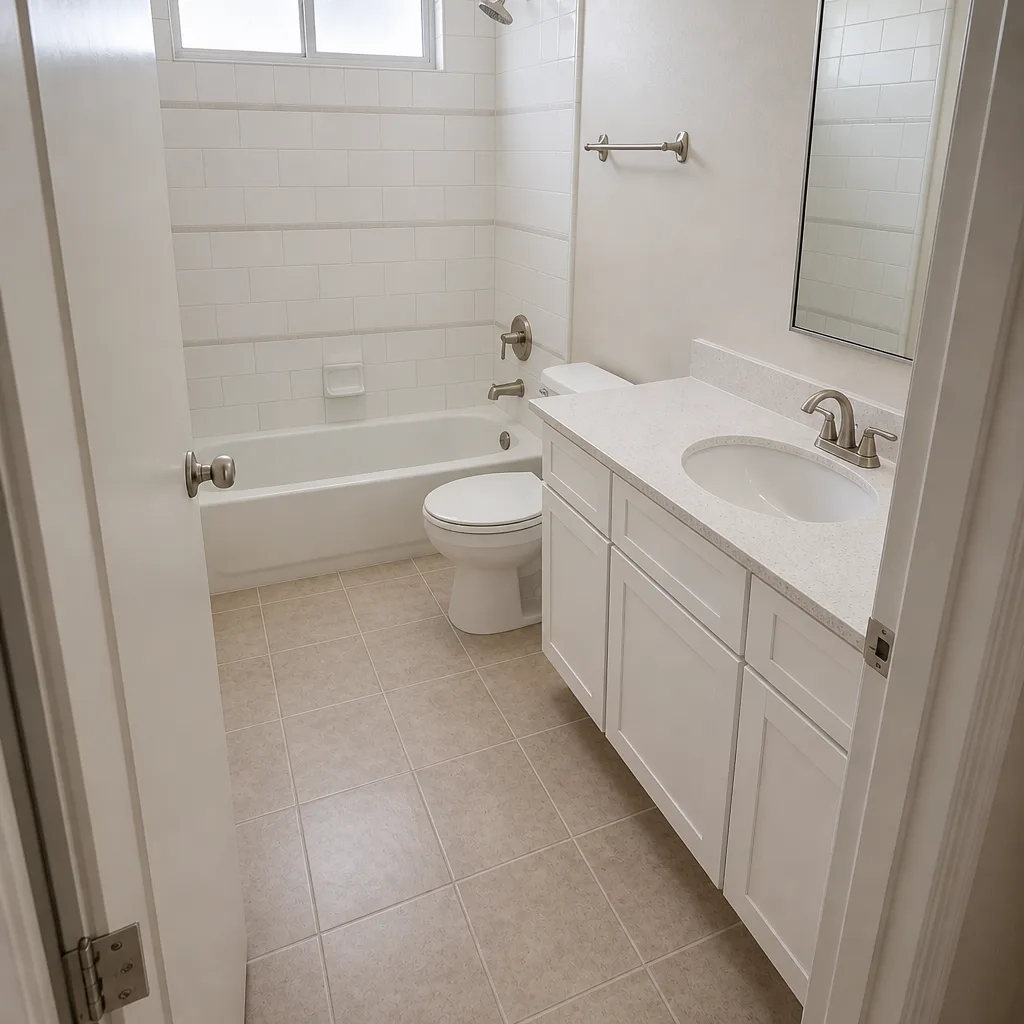 After
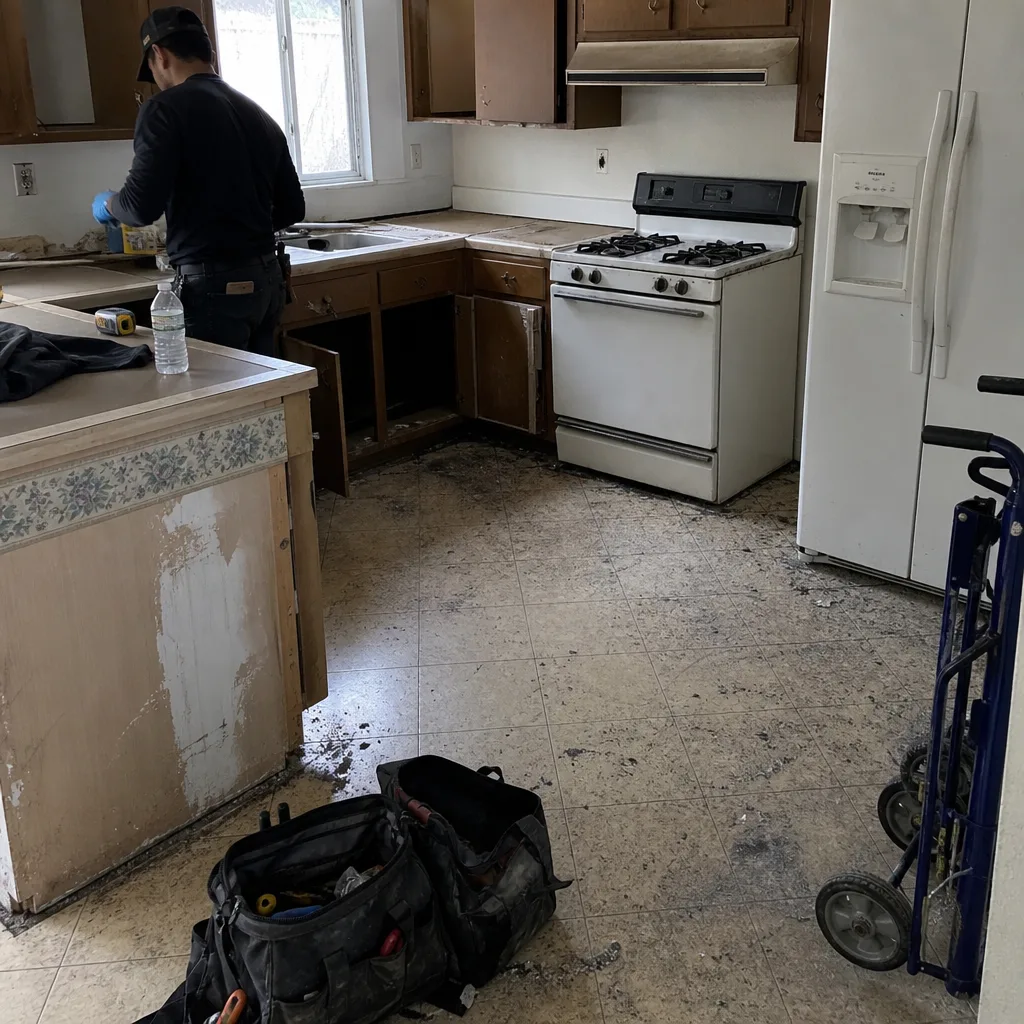 Before
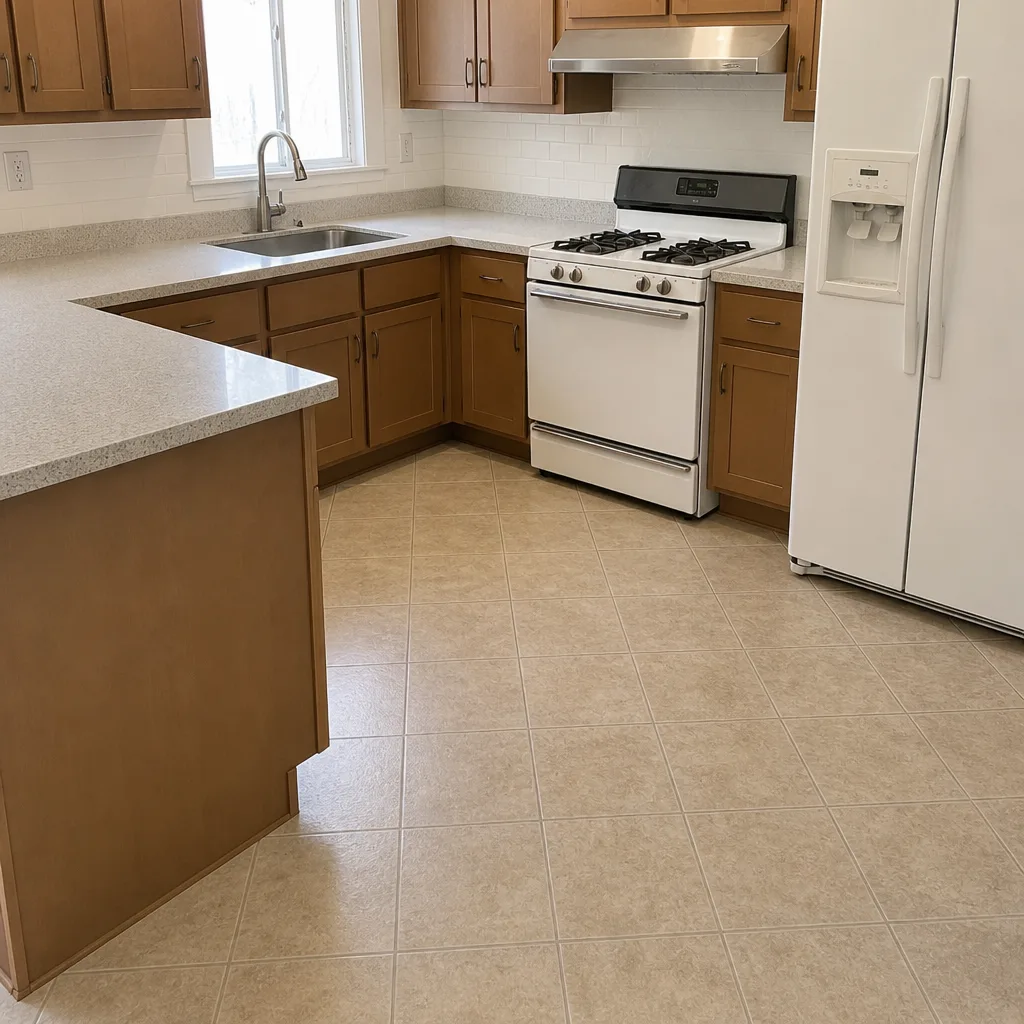 After
Replacement Cost & What’s Included
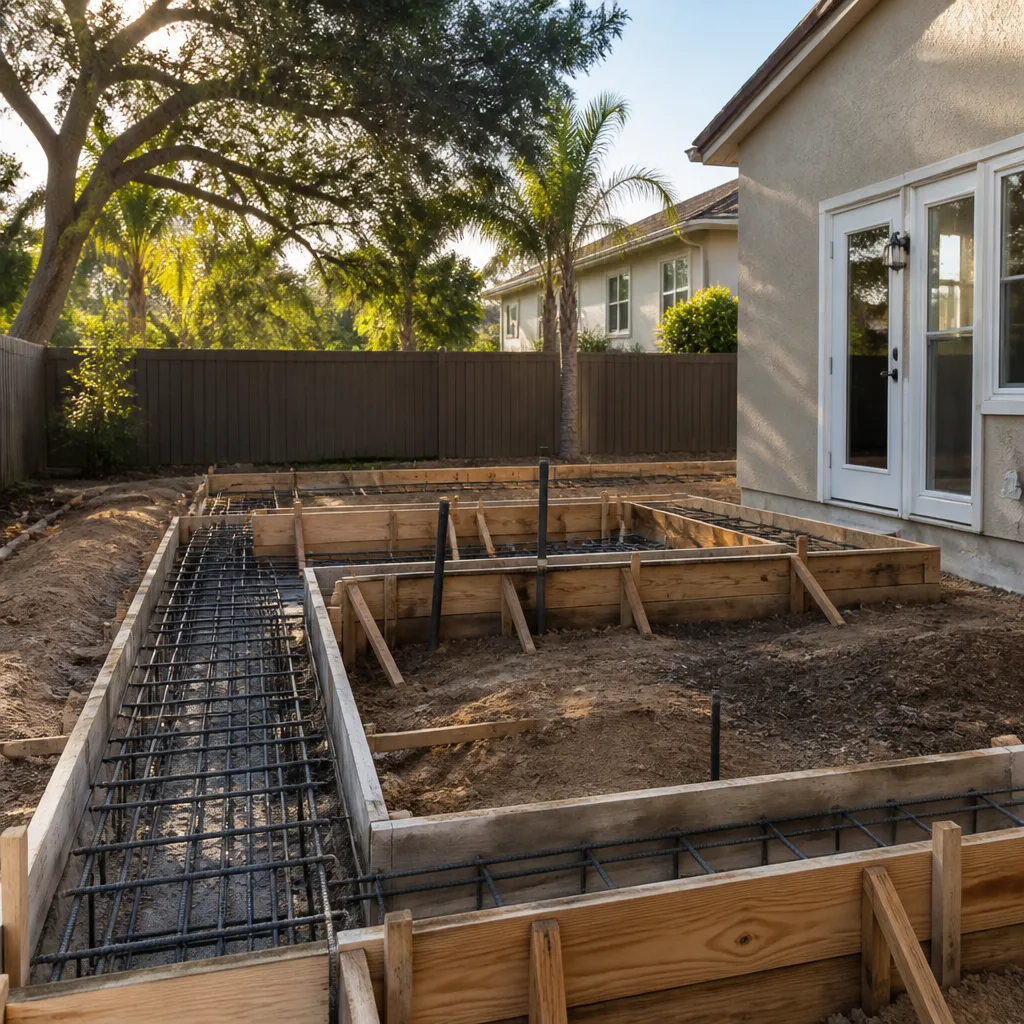
Here’s what the work runs in Summerlin. These are installed ranges: they include labor, the matching CertainTeed or equivalent exterior parts, the flashing and sealants, permits where required, and the finished close-out. They do not include a project the size of a full remodel unless your scope calls for it.
- Home addition: $45,000 – $130,000 installed
- ADU construction: $90,000 – $220,000 installed
- Garage conversion: $30,000 – $80,000 installed
What drives the range, in plain terms:
- Square footage and footprint. A 300-square-foot bump-out and a 1,000-square-foot addition aren’t close in material or labor.
- Whether the CertainTeed exterior is re-clad or patched. A full re-clad of one wall is a different job than patching a single failed panel, and the price reflects that.
- Weather barrier and flashing scope. If the failure is behind the wall, the wall comes open, the framing dries, and the barrier is redone. That’s the honest part of the job.
- Permits and inspection. Summerlin additions and ADUs go through the permitting process, and we pull the permits and get the inspections passed as part of the fixed scope.
You get a written, line-item price before any work starts. The numbers don’t move at the door. Every completed project is covered by the 365-Day Done Right Promise: if the work fails within a full year, we come back and correct it at no charge.
DIY or Call Us?
A homeowner can safely do a walk-around and take photos. Look at the southwest and west walls for bowing, check the corners for loose trim, look at the penetrations (vents, hose bibs, light boxes) for gaps in the barrier, and look inside at the ceiling after a rain. Note what you see. What you should not do is attempt the repair yourself once you get into the wall. Getting behind the siding means working with the weather barrier and flashing, and a barrier lapped or taped the wrong way is the exact thing that caused the failure in the first place. On a roof or at height, don’t get up there at all: the fall risk is the real danger, and that work belongs with a trained crew using fall protection.
If you’re not sure what you’re looking at, call us. We answer the phone with a real person 24/7, and we’ll tell you straight whether your CertainTeed exterior needs a patch, a re-clad, or a scope review. Bradford Remodeling Co Summerlin is an independent remodeling contractor; we are not affiliated with CertainTeed. Call (844) 588-0072 to schedule your free estimate.
FAQs
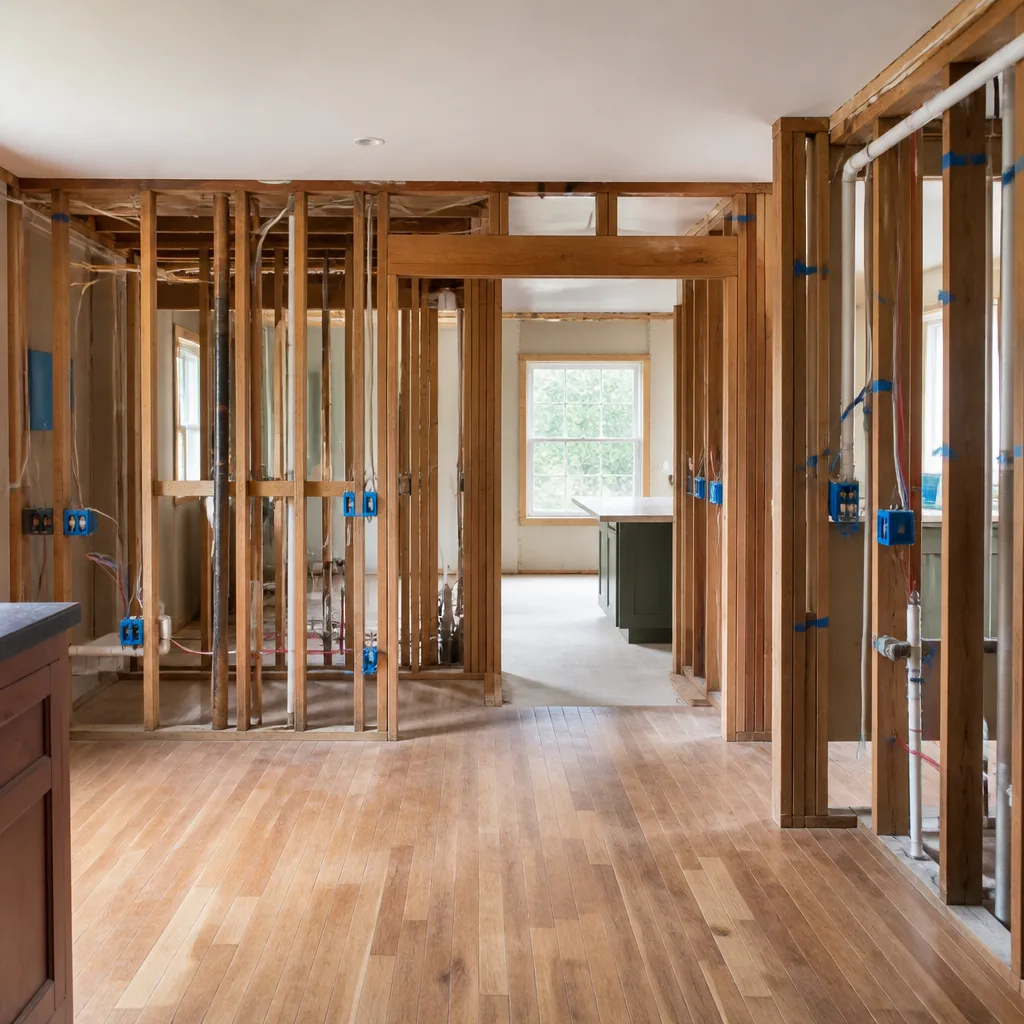
Properly installed CertainTeed siding and weather barrier systems in the Las Vegas Valley generally hold up for decades on the product side, but the install is what determines the real lifespan. Here, the sun exposure is the biggest variable: a southwest-facing wall in Summerlin gets far more direct heat than a shaded wall, and a barrier that wasn’t sealed at the penetrations will show failures long before the product itself gives out. If the original install skipped the flashing, you may see the first problems in two or three summers.
Often yes. A single bowed panel or a popped corner trim is a targeted repair, and that’s the cheapest honest fix. But once water has gotten behind the siding, the scope is no longer a repair. The wall has to open so the framing can dry, and the barrier and flashing get redone. Any contractor who quotes a patch on a wall with an active leak hasn’t looked closely enough. We’ll tell you which category you’re in after we see it, and if it’s a repair, we say so.
A single-panel or corner-trim repair is a quick job, but additions and ADUs are planned construction, not a same-day swap. A targeted repair to the exterior is usually scheduled and completed in one visit. A re-clad of a wall or a barrier and flashing correction on an existing addition is a multi-day scope. A full addition or ADU is a multi-week project, and the schedule is written into the scope before you sign anything, so you know what to expect.
We work from a documented roster of name-brand materials, and CertainTeed is on that list, alongside GAF, Owens Corning, and James Hardie for exterior products and KraftMaid, Cambria, and Silestone for interiors. Sourcing works from the product identifier: we read the label or the original spec, match panel dimensions, profile, and color lot, then order through the appropriate channel with the manufacturer’s specs and warranty paperwork attached. The specs and warranties are traceable, so your guarantee has a paper trail behind it.
Written by the team at Bradford Remodeling Co Summerlin, serving Summerlin and nearby areas.