Last updated November 17, 2026






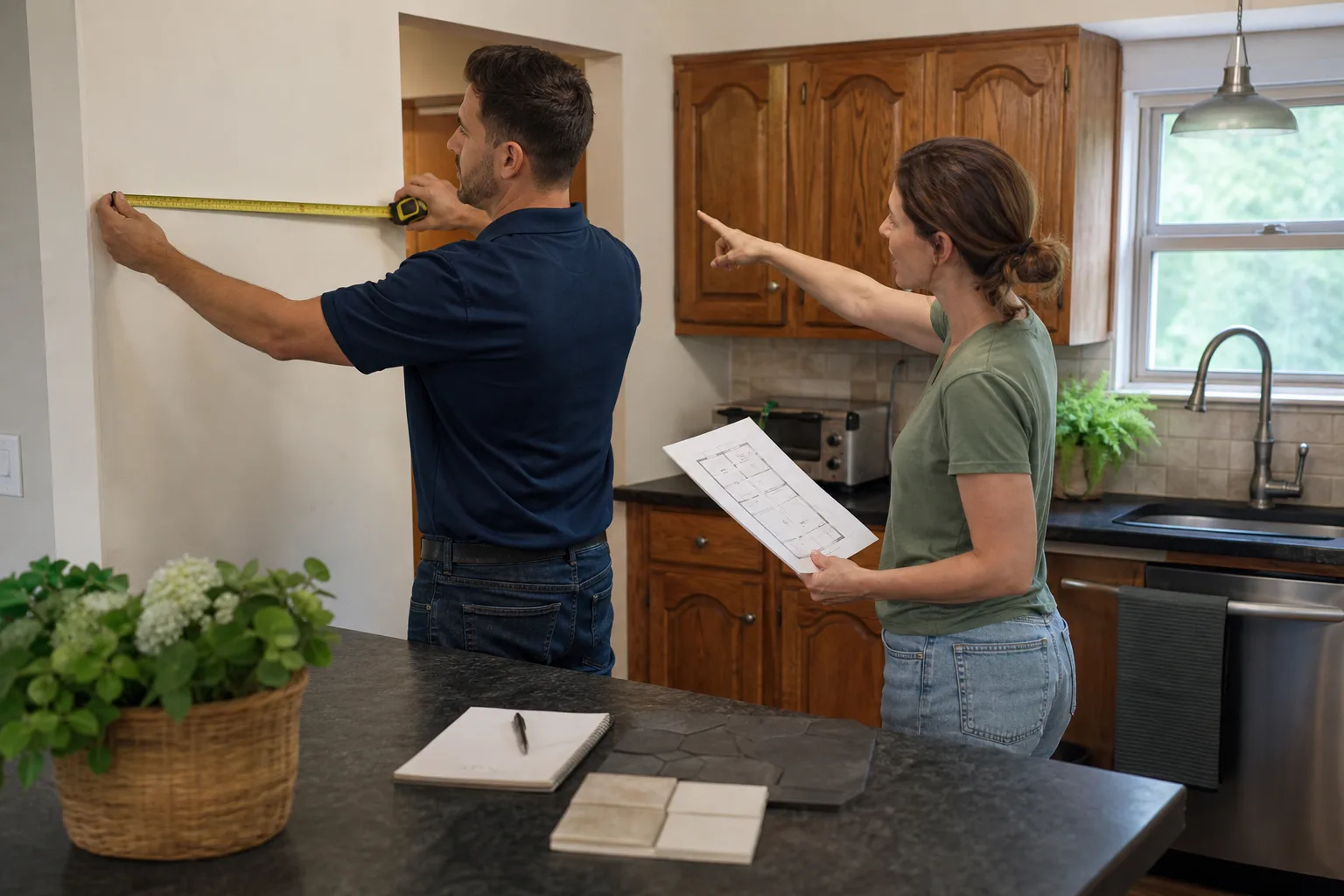
Free written scope consultation - allowances, timeline, and change-order rules on paper before a single trade is scheduled
Home Remodeling Warning Signs Every Homeowner Should Know
The contractor who ghosts you on week three almost always showed you the warning sign on day one. You just didn’t know what document to ask for. In our work across Summerlin, we’ve reviewed a lot of contracts that homeowners signed before the trouble started, and the pattern is consistent: the red flags live in the paperwork, not the personality. A friendly handshake can’t rescue a bad scope of work. This guide is about the contract and estimate stage, where you still have leverage. By the time a crew no-shows, your options are expensive. We’ll show you exactly what to read, what to demand in writing, and how to spot a contractor who plans to move your price the moment work begins. Everything here applies directly to remodeling in Summerlin, where HOA rules and desert climate add a layer most checklists ignore.
Quick Answer
The biggest home remodeling warning signs are contract omissions, not bad attitudes. A legitimate contract names a payment schedule tied to milestones, states who pulls permits, requires written change orders, sets a completion date, and includes lien waivers. A lump-sum estimate with no line-item breakdown, pressure to start before permits are pulled, or vague “we stand behind our work” language instead of a written warranty are all reasons to walk. In Summerlin, verify the contractor’s Nevada license status before you sign anything, and confirm the written price before a single tool comes out.
Styles & brands we work with
- Kitchen remodeling
- Bathroom remodeling
- Home additions & ADU
- Roofing
- Windows & doors
- Driveway & pavers
- Fence
Table of Contents
- The Five Contract Omissions That Predict Future Disputes
- How to Verify a Nevada Contractor License in Under Three Minutes
- The Estimate Format That Signals Trouble
- Why Starting Before Permits Are Pulled Is Your Liability
- What a Real Written Warranty Looks Like
- Payment Schedule Red Flags and How to Structure Yours
- Summerlin-Specific Warning Signs Most Lists Miss
- Common Mistakes to Avoid
The Five Contract Omissions That Predict Future Disputes
We’ve seen remodels in Summerlin fall apart over exactly five missing clauses. Not shoddy workmanship first. The paperwork gap comes first, and the dispute follows. Read your contract for these before anything else.
- No payment schedule tied to milestones. A contract that asks for a large deposit and then “progress payments” with no defined milestones lets the contractor bill you for work that hasn’t happened. The schedule should tie each payment to a completed, inspectable phase: demolition complete, rough-in passed inspection, cabinets set, final walkthrough signed. In our experience, a deposit above a third of the total with nothing else defined is a warning worth taking seriously.
- No permit responsibility clause. The contract must state, in plain words, who pulls the permits and who pays for them. Silence here means the cost lands on you later, and unpermitted work can complicate a future Summerlin home sale.
- No written change-order requirement. Every change, no matter how small, should require a signed written change order with a price before the work happens. Without this clause, verbal “we’ll just add that” agreements become surprise invoices.
- No completion date. A contract with no start date and no substantial completion date gives a crew unlimited time. A reasonable date, plus a defined remedy if it slips, keeps the job on schedule.
- No lien waiver provision. This protects you from paying twice. If a subcontractor or material supplier isn’t paid by the general contractor, they can file a lien against your property. A contract that requires conditional lien waivers with each payment closes that door.
None of these clauses is exotic. A by-the-book contractor includes them without being asked. When you have to argue for a written change-order requirement, that’s the sign.
How to Verify a Nevada Contractor License in Under Three Minutes
Nevada requires a state contractor license for most remodeling work, and the state board’s public lookup is free and fast. Here’s the exact process.
- Get the license number from the contractor in writing, not just a business name. The number usually starts with a classification code.
- Open the Nevada State Contractors Board license lookup on your phone.
- Enter the license number. Read three fields closely: status, classification, and expiration date.
- Confirm the classification matches your project. A license limited to one trade doesn’t cover a full kitchen remodel. Whole-home work requires the right classification, and a mismatch is a hard stop.
Here’s what most homeowners miss. “Active” and “current” don’t mean the same thing on the board site. A license can show an active status while a complaint, a bond lapse, or a disciplinary action sits on the record. Click into the detail page. Look at the bond and insurance fields and the complaint history, not just the top-line status. If a contractor is slow to give you a license number, or gives you a business name and dodges the number, that alone is your answer. We know this matters in Summerlin because a license problem can follow a project into resale, inspection, and insurance claims years after the crew has left.
The Estimate Format That Signals Trouble
A lump-sum number with no line-item breakdown is a price that can move. That’s the single most useful thing to understand about remodeling estimates. When you call a contractor for a Summerlin kitchen and get back a single figure with no detail, there’s nothing to hold them to. A properly built estimate breaks work into categories you can compare across bids.
- Demolition and disposal as a separate line, including dumpster and haul-off.
- Rough-in trades: plumbing and electrical, called out separately with allowance amounts if fixture brands aren’t chosen yet.
- Materials by brand and model where possible. A bid that names Cambria or Caesarstone for the counters, or Kohler for fixtures, is traceable. A bid that says “quartz” and “faucet” is not.
- Labor tied to each phase, so you can see where the money goes.
- Permits and inspections as their own line, never buried.
- Contingency stated openly, with the rule for how it’s used.
Allowances are where surprise invoices hide. An allowance is a set dollar amount for an item not yet chosen, like tile. If your estimate lists a low tile allowance and you later pick a mid-range tile, the difference lands on you. That’s fine when the number is honest. It’s a warning when the allowance is set artificially low to win the bid, which means the final price was never the real price. Ask for allowances that reflect what materials actually cost in the Summerlin market, and ask what happens if you go over.
Why Starting Before Permits Are Pulled Is Your Liability
When a contractor says “we can get started while the permit is processing,” that’s not efficiency. It’s a transfer of risk onto you. Unpermitted remodeling work in Summerlin can complicate a sale, fail a future inspection, and in some cases force the homeowner to open walls to prove what’s behind them. The permit isn’t red tape. It’s the inspection trail that proves the electrical, plumbing, and structural work was done to code.
A contractor who pushes to start before permits are pulled is telling you something important about how the rest of the job will go. They’re skipping the paper trail now, so expect the same on change orders and lien waivers. The homeowner carries the legal exposure, not the crew. If a permit is delayed, the answer is to wait for it, not to begin demolition. In our experience, the permit timeline is often the first place a disorganized contractor shows their hand.
Ask one direct question before signing: Who pulls the permit, whose name is on it, and when do we start relative to the inspection dates? A straight answer with a schedule behind it is what you want. A shrug and a “we do it after” is your exit sign.
What a Real Written Warranty Looks Like
“We stand behind our work” means nothing in a dispute. A written warranty is a document with a stated term, a stated scope, and a stated remedy. Read it and check four things.
- The term in plain numbers. A guarantee that runs a full year is different from a “limited warranty” with no stated period.
- What’s covered, itemized: workmanship, materials, or both. Manufacturer warranties on brands carry their own terms separate from labor. A contractor’s written guarantee should say exactly what they’ll return to fix.
- What’s excluded, clearly. A warranty that excludes nothing is suspect. Real ones list limits.
- The remedy: free return visit, repair, or replacement, and by when. Someone has to come back and correct it at no charge. If the warranty doesn’t say that, it isn’t a warranty.
Ask for the written guarantee before you sign, and read it the way you’d read the contract. A verbal promise is worth precisely what it’s printed on. In Summerlin, where sun exposure and summer heat test cabinetry, exterior doors, and finishes, the warranty matters over a full year of real conditions, not one mild season. Bradford’s 365-Day Done Right Promise is the standard we hold: written on every project, and if the work fails inside the year, we come back and correct it at no charge. Compare that structure against whatever the next bidder hands you.
Payment Schedule Red Flags and How to Structure Yours
Payment timing is where the most summerlin remodeling disputes start. Here’s the structure a disciplined contract uses, and the red flags that should stop you.
The healthy pattern: a modest deposit to schedule and order materials, then progress payments tied to completed milestones, with a final holdback that stays with you until the punch list is closed and the final walkthrough is signed. Every payment has an inspectable result behind it. No payment arrives before the work it covers.
Red flags to catch before signing:
- A large deposit up front with no milestone schedule. Money out ahead of work in gives a contractor less reason to finish.
- Requests for cash, or payment to a personal account with no receipt trail.
- Pressure payments before an inspection passes. You’re paying for work that hasn’t been verified, and if the inspection fails, you’ve already funded it.
- No holdback at the end. Without it, the punch list becomes optional.
- Payment due dates with no connection to progress at all, which turn the contract into a bill you can’t dispute.
If you’ve already paid a deposit and the schedule looks like this, talk to a contractor you trust before more money moves. We can review a contract and give you a straight read on it, and we’ll put our own written price in front of you so you can compare. Get in touch through our Summerlin home remodeling page.
Summerlin-Specific Warning Signs Most Lists Miss
Standard warning-sign checklists don’t account for the details that actually trip up Summerlin homeowners. We’ve seen these cost real money.
HOA approval. Many Summerlin neighborhoods have design review rules covering exterior work, additions, hardscape, and visible changes. A contractor who doesn’t ask about your HOA design guidelines before quoting the job is either new to Summerlin or planning to let the approval fall on you. Get the approval in writing before work starts.
Desert climate and materials. Summerlin’s heat and intense sun age exterior products fast. A bid that specs materials below manufacturer ratings for sun and heat is a warning, even when the price looks good. Ask what brand and model is specified and whether it’s rated for this climate. When a contractor names KraftMaid or Wellborn cabinetry, Cambria or Caesarstone surfaces, and Kohler fixtures, the specs are traceable and you can check the manufacturer’s own terms.
Slab foundations and hidden conditions. Summerlin homes are largely slab-on-grade, which means plumbing changes run through or under the slab, and that price is easy to underestimate. A bid with no allowance for slab work on a bathroom or kitchen project is a number waiting to move.
Stucco and dry-climate exterior repair. Cracking after temperature swings is common. If your exterior work bid has no line for stucco patching, expect an add-on later.
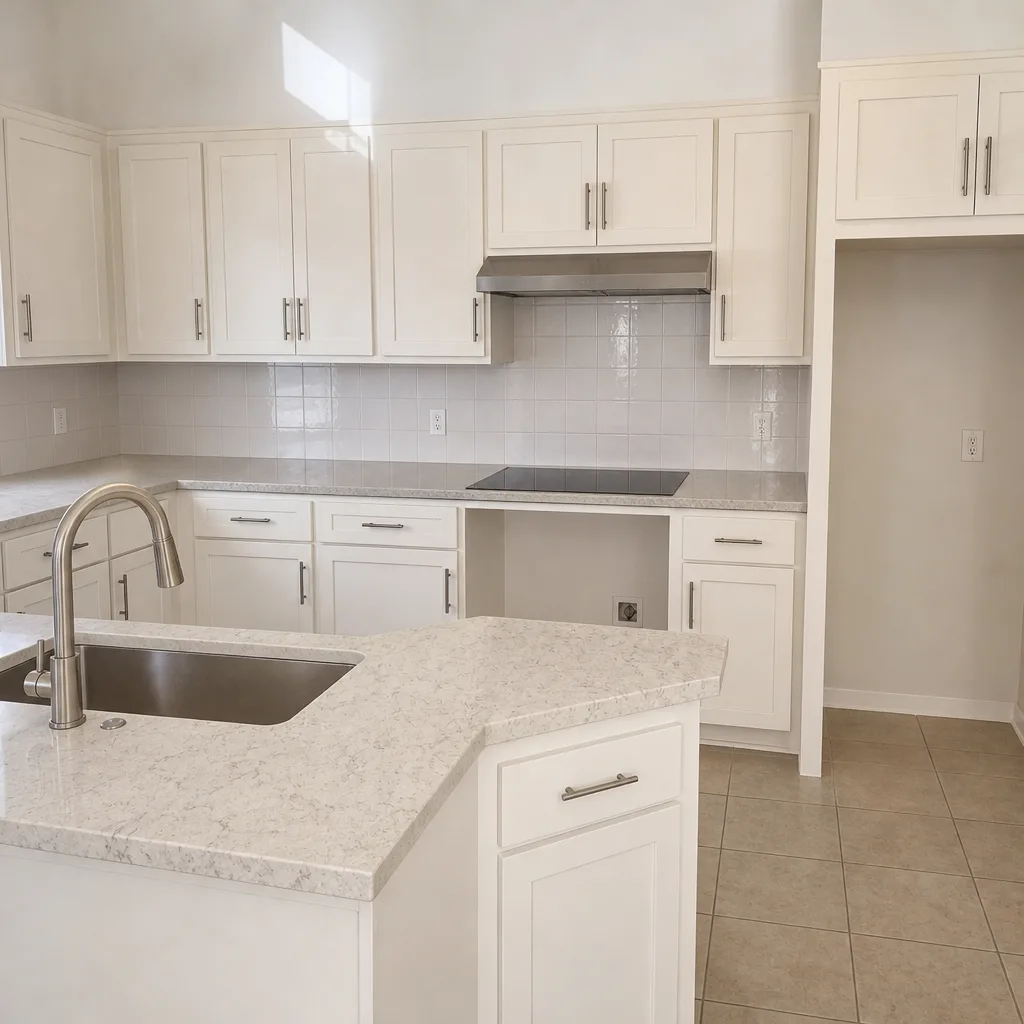
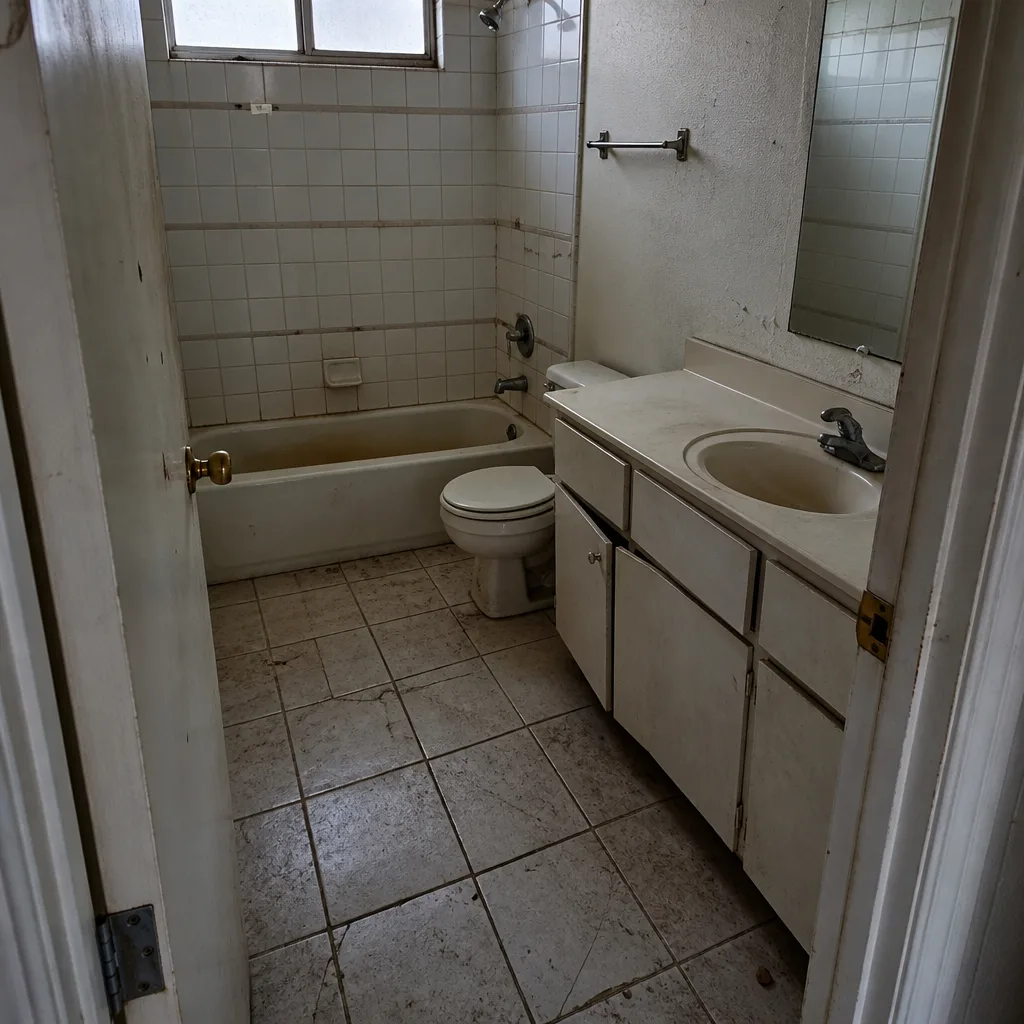
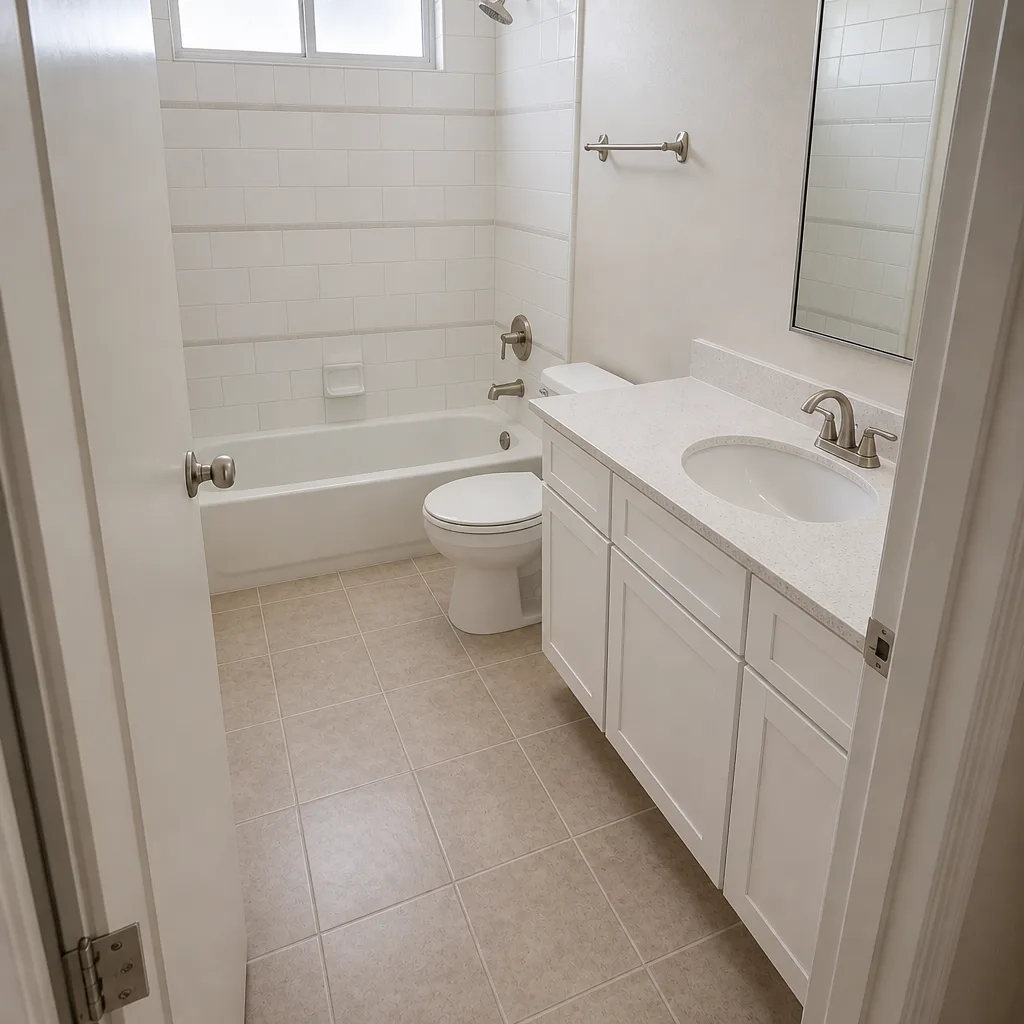
For a full kitchen or bath, you can compare our written scope and pricing on the kitchen remodeling and bathroom remodeling pages.
Common Mistakes to Avoid
- Signing before you’ve verified the license. Three minutes on the state board site can save you a year of trouble. If the number doesn’t check out, no amount of charm makes up for it.
- Comparing lump-sum bids. Two totals with no line-item breakdown are impossible to compare, which is why contractors offer them. Ask each bidder for the same line-item format.
- Treating a low allowance as a real price. A cheap tile or fixture allowance in a Summerlin kitchen bid almost always means the final price is higher than what’s on the paper. Ask what the allowance buys today.
- Letting work start before permits. The inspection trail is the homeowner’s protection. Wait for the permit, even when a contractor says it’ll be fine.
- Accepting verbal change orders. Every addition, every tweak, gets a written change order with a price before the work. If the crew says “we’ll just handle it,” that’s a future invoice with no cap.
- Skipping HOA design approval. In Summerlin, an exterior change without HOA sign-off can mean undoing finished work. Confirm the approval before the first tool comes out.
- Taking a verbal warranty as real. If a guarantee isn’t written with a term, a scope, and a free-return remedy, it doesn’t exist. Ask to see it in writing.
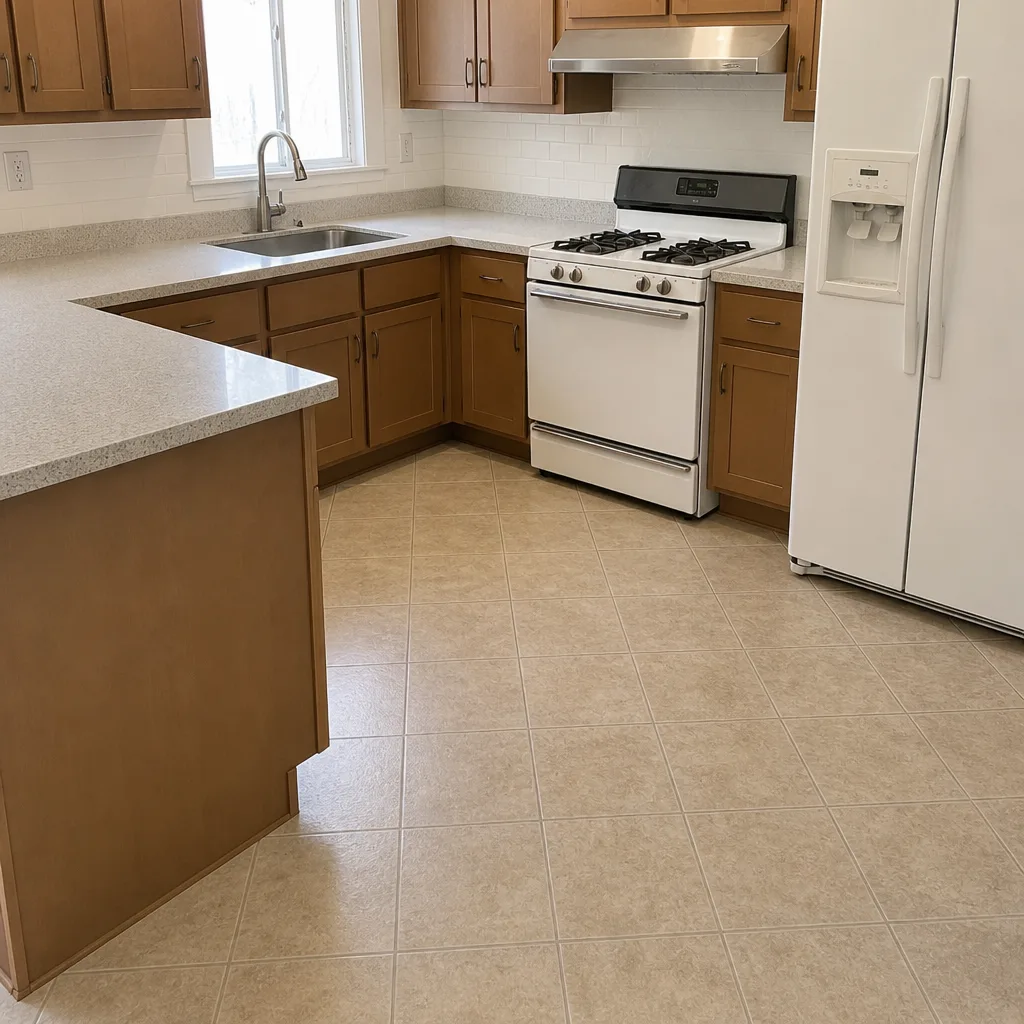
See the difference
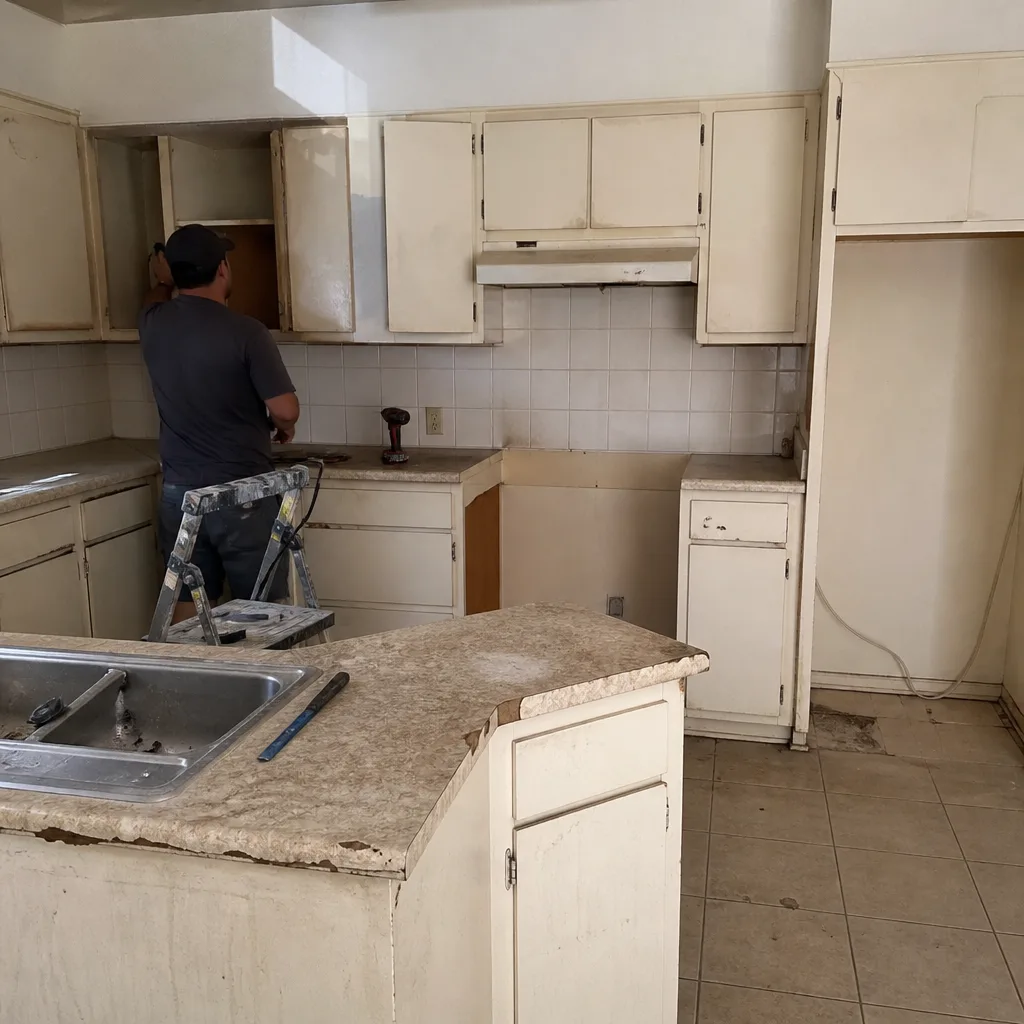 Before
 After
 Before
 After
 Before
 After
When to Call a Professional
Some of these checks you can handle yourself, and you should. But there’s a point where a straight professional read saves you money and mistakes. Call a professional when: you’ve already signed a contract and the payment schedule or change-order clause looks wrong; you’re comparing two bids in wildly different formats and can’t tell what’s real; your permits haven’t been pulled and demolition is already on the schedule; or your exterior change needs Summerlin HOA design review and you don’t know where to start. That’s the point to get a second written price you can compare directly. Bradford Remodeling Co Summerlin offers free estimates in Summerlin, with every price in writing before any work starts. For a whole-house project, the general contractor page is the place to start, and you can always call (844) 588-0072 to talk it through.
Sandy Valley neighbors with a project of their own can start on the Sandy Valley general contractor page. If you’re weighing your options, our Sandy Valley bathroom remodeling page shows the line-item format we use. Wherever your project is, the written price comes before the work, every time.
Frequently Asked Questions
A missing payment schedule tied to milestones is the biggest warning sign. When payments aren’t linked to completed, inspectable phases, you’re funding work you can’t verify. Ask for a schedule that ties each payment to a named milestone, and don’t sign until it’s in writing. Call (844) 588-0072 for a free estimate with a written, milestone-based price.
Use the Nevada State Contractors Board’s free online license lookup with the contractor’s license number. Confirm three things: the status is active, the classification matches your project, and the detail page shows no unresolved complaints or bond gaps. “Active” and “current” status don’t guarantee a clean record, so click into the detail. If a contractor won’t give you the number, that’s your answer.
Yes. Starting before permits are pulled puts the legal liability on you. Unpermitted work can fail a future inspection and complicate a Summerlin home sale, and you may have to open walls to prove what’s behind them. The permit is the inspection trail that proves the work meets code. A contractor who skips it now will likely skip the paper trail later.
A real written warranty states a term in plain numbers, an itemized scope of what’s covered, clear exclusions, and a remedy that says who comes back and corrects the work at no charge. A verbal “we stand behind our work” has none of that and means nothing in a dispute. Ask to read the written guarantee before you sign, not after. Then call (844) 588-0072 to compare a written price against it.
A lump-sum estimate gives you nothing to hold the contractor to and no way to compare bids. In Summerlin, where slab work, desert-rated materials, and HOA design review all affect cost, a line-item breakdown shows where the money goes and where an allowance can move. Ask each bidder for the same format so the comparison is real. Call (844) 588-0072 for a free written, line-item estimate.
A lien waiver protects you from paying twice. If a subcontractor or supplier isn’t paid by the general contractor, they can file a lien against your property even after you’ve paid the contractor. A contract that requires conditional lien waivers with each payment closes that gap. If the contract says nothing about liens, ask for it in writing before signing.
The Bottom Line

The warning signs that cost homeowners the most money aren’t the ones that show up on the job site. They’re the missing clauses you didn’t know to look for before signing. Guard the five contract pieces, verify the Nevada license beyond the top-line status, demand a line-item estimate, and never start before permits are pulled or accept a warranty that isn’t written with a term and a free-return remedy. In Summerlin, add HOA design approval and desert-rated materials to the list. Read the paperwork first, put everything in writing, and the no-shows, the repricing at the door, and the unfinished jobs mostly never make your shortlist. Call (844) 588-0072 for a free estimate and a written price before any work starts.
Written by the team at Bradford Remodeling Co Summerlin.