
Top Signs You Need Construction Service – Don’t Ignore These
A door that suddenly won’t latch isn’t a door problem. In a Summerlin home, it’s often the first visible sign of foundation movement, and by the time it shows up at the door, the slab has already moved enough to matter. The signs that a house needs professional construction work are rarely the ones you can see directly. The expensive failures hide behind drywall, under a slab, or inside a wall cavity. This guide is about the things you can see that point to the things you can’t.
If reading this has you looking sideways at a crack in the corner of your living room, call (844) 588-0072. We’ll walk the house with you and put what we find in writing before you spend a dollar on a repair scope.
What Do Sticking Doors and Windows Tell You About the Structure?

A door or window that sticks or suddenly won’t latch is usually a symptom of the frame moving, not the hardware failing. Wood and vinyl don’t swell shut overnight in Summerlin’s dry climate the way they do in humid regions, so when a door in a Summerlin home stops closing cleanly, the more likely explanation is that the opening itself has shifted. That shift comes from movement in whatever holds the wall up: the foundation, the framing, or the connection between them.
Here’s how the trade reads these indirect indicators:
- A door that catches at the top corner. The frame has racked, which means one side of the opening has settled or heaved relative to the other.
- Windows that stick on one side only. Often a sign of differential movement along a single wall, not across the whole house.
- A door that swings open on its own. The jamb is out of plumb. Gravity is finding the low side.
- Several doors drifting in the same direction. That’s not a hardware pattern. That’s the structure telling you something.
One sticking door is worth watching. Three doors all sticking the same way is worth a professional assessment, especially in Summerlin where soil conditions vary block to block. We’ve seen homeowners replace hinges and strike plates three times before anyone thought to check the foundation.
Which Cracks Actually Matter and Which Are Just Plaster?
Diagonal cracks at the corners of door and window openings matter more than hairline cracks in the field of a wall. A crack that runs at roughly 45 degrees from the top corner of a door frame or window opening is the classic signature of foundation movement. When a slab edge drops or heaves unevenly, the wall above it racks, and the weakest point in drywall is always the corner of an opening. That’s where the crack shows up first.
Crack width and direction matter, but so does what’s happening over time. A crack you’ve watched stay the same size for two years is a different animal from one that’s grown since last spring. Tape the ends with a pencil mark and a date. If the crack moves past your mark, you have active movement, and that changes the conversation from cosmetic to structural.
In Summerlin specifically, we watch for two patterns:
- Step cracking through brick or block. A crack that follows the mortar joints in a stair-step pattern is a movement indicator, not a surface flaw.
- Efflorescence on block walls. That white, powdery bloom is salt pushed out by water moving through the masonry. It means moisture is getting in somewhere and finding a path out. The bloom is the visible part; the water intrusion behind it is the problem.
Cracks that are cosmetic – a hairline seam at a drywall joint, for instance – can wait. Cracks at openings, step cracks, and anything showing efflorescence deserve a professional look before you patch over the evidence.
Why Does Summerlin’s Soil Cause Foundation Problems?
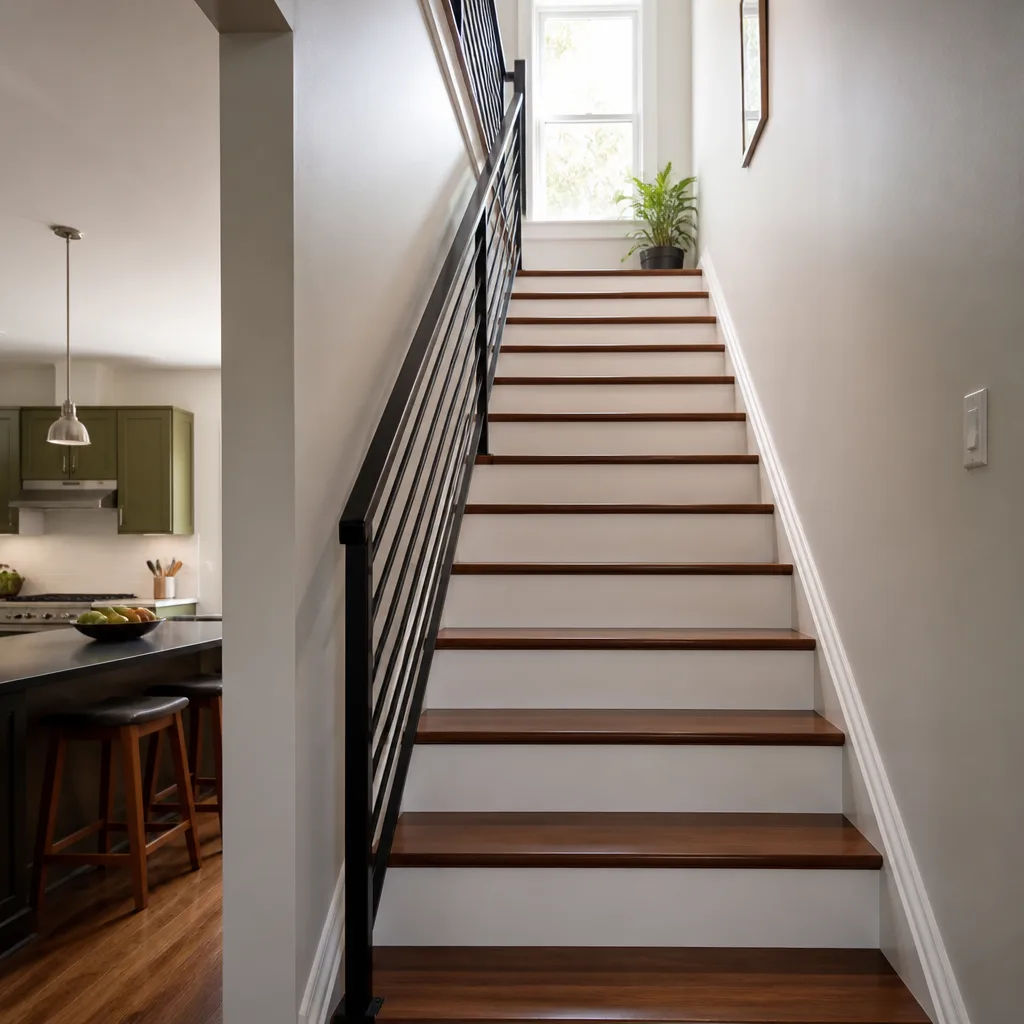
Summerlin sits on soil that includes caliche, and that hardpan layer does not behave like ordinary dirt. Caliche is a cemented calcium carbonate layer that expands and contracts with moisture, and it does neither evenly. When a Summerlin lot gets irrigation on one side and stays dry on the other, the caliche under the wet side swells and the dry side doesn’t. A slab sitting across that line gets pushed and pulled at the same time. That’s foundation movement, and it shows up at your doors, your drywall corners, and your block walls long before it shows up as a visible slab crack.
We’ve walked Summerlin homes where the interior was flawless and the exterior block wall was blooming white with efflorescence, because the irrigation head was aimed at the wall for years. The wall was telling the story the interior didn’t. Pool decks, planters, and downspouts all change the moisture balance around a slab, and in Summerlin’s soil, that balance is what keeps a foundation stable.
Uneven floors are the other clue. If a marble rolls across the kitchen floor, that’s a floor problem. If it rolls the same direction every time, that’s a low spot, and the low spot is often tied to what’s happening below. A finished floor doesn’t sink on its own.
Which Finish Work Symptoms Suggest a Code Problem Underneath?
Some cosmetic issues are just cosmetic. Others are the visible edge of work that was never permitted or never inspected. In our experience across Summerlin, the finish work is where substandard construction hides, because it’s the part a buyer sees and the part a seller covers up.
Watch for these warning signs:
- A tile or trim joint that doesn’t line up. Straight lines are the result of a straight substrate. Misaligned finishes often mean the wall or floor behind them wasn’t set correctly.
- Mismatched drywall texture in one room. A wall that’s been patched, re-textured, or added after the fact is a wall worth asking questions about.
- Outlets and switches that are crooked or warm to the touch. This is a stop-and-call moment. Crooked is sloppy. Warm is dangerous. Electrical work done without a permit is one of the most common problems we find behind fresh drywall.
- A bathroom with a new vanity but an old rough-in. A fresh finish over plumbing that was never brought up to code is a finish masking a violation.
- Permit history that doesn’t match the house. Before a renovation, pull the permit record. A Summerlin addition that was never permitted can cost you at resale or at inspection.
Cosmetic fixes over substandard work always cost more later. The finish traps moisture, hides the violation, and gives the next owner a reason to discount the house. If you’re buying in Summerlin and the finish work looks too fresh for the age of the house, that’s your cue to look deeper before you commit.
When Should You Stop Using a System and Call a Pro?

There’s a line between deferred maintenance and active failure, and crossing it costs more than money. Deferred maintenance is the gradual stuff: a soffit that’s weathered, hardscaping that’s settled under a walkway, fence pickets from a line like Bufftech or ActiveYards that have gone gray. Those are your responsibility to address over years, and none of them are emergencies. Active failure is different. Active failure means a system has already stopped doing its job, and every day you keep using it makes the repair bigger.
Here’s how we separate them by trade:
- Roofing. Deferred: granules in the gutter, a few missing shingles. Active failure: water on the ceiling. Stop using the room under the leak, call today.
- Electrical. Deferred: a breaker that trips once a season. Active failure: a breaker that won’t reset, a burning smell, or scorch marks at an outlet. Those mean stop using the circuit.
- Plumbing. Deferred: a slow drain. Active failure: water actively seeping from a wall or under a slab, or a water heater that can’t keep up. Stop using the fixture.
- Structural. Deferred: a hairline crack. Active failure: a door that won’t close, a floor that suddenly feels soft, or a crack that’s moved since you marked it.
The rule we give Summerlin homeowners is simple: if the system is letting water, electricity, or sewage where it shouldn’t be, stop using it and call a professional. That’s not DIY territory. It’s a safety problem, and the risk isn’t worth a weekend of YouTube.
How Do You Get a Construction Assessment in Writing?
A written assessment should describe what was found, what it means, and what the repair scope is, in language you can read without a trade dictionary. It should include the findings themselves (crack locations, movement direction, moisture readings), the likely cause, the recommended repair, and a price. A verbal diagnosis from a contractor is worth exactly nothing if the problem turns out to be bigger than described. If the price moves at the door, you’re paying for a guess, not a scope.
We put every price in writing before any work starts. That’s not a sales tactic at Bradford, it’s The Garrison Standard: a written number, a documented scope, and a signed guarantee before a single tool comes out. Our technicians have up to 22 years of experience reading the indirect signs – the sticking door, the step crack, the efflorescence – and matching them to what’s actually happening behind the wall.
When you sit down with a contractor for an assessment, ask these questions:
- What did you find, and what does it point to?
- Is this deferred maintenance or active failure?
- What’s the repair scope in writing, and what’s the price?
- What does the guarantee cover, and for how long?
Bradford’s answer to the last one is the 365-Day Done Right Promise. Every completed project carries a full-year written guarantee. If it fails within that window, we come back and correct it at no charge.
When to call a pro
If you’ve marked a crack and it moved, if a door has started sticking in the last few months, or if you’re staring at efflorescence on a block wall in Summerlin, that’s the moment. Call (844) 588-0072 and we’ll walk the property and put our findings in writing. A live person answers, day or night.
Related services in Summerlin: General Contractor in Sandy Valley for structural and assessment work, Kitchen Remodeling in Sandy Valley when you’re ready to fix the finish work properly, and Bathroom Remodeling in Sandy Valley if your bathroom is showing the rough-in warning signs. For the full picture of how we approach a Summerlin property, start at our Bradford Remodeling Co Summerlin home.
The Bottom Line
The signs that a Summerlin home needs construction work are indirect. A sticking door, a diagonal crack at a window corner, a floor that’s gone slightly out of level, efflorescence on a block wall, finish work that doesn’t quite line up – each one is a visible clue pointing at a problem you can’t see. Catch the clues early and you spend less. Ignore them and they get worse quietly, until the fix is no longer cosmetic.
If you’re in Summerlin and want a straight answer in writing, Bradford Remodeling Co Summerlin offers free estimates. Call (844) 588-0072. You’ll get a written price before any work starts, background-checked uniformed technicians, a documented roster of brands including Belgard for hardscaping and GAF for roofing, and the 365-Day Done Right Promise on every completed project.
Frequently Asked Questions
A diagonal crack running at roughly 45 degrees from the corner of a door or window opening is the one to take seriously. It usually means the framing has racked because of movement below. A hairline seam in the middle of a wall is usually cosmetic. Mark the ends of any crack with a pencil and a date. If it grows past your mark, call a professional for an assessment.
Sticking doors in a Summerlin home are usually a sign that the opening has shifted, not that the hardware has failed. Summerlin’s caliche soil expands and contracts unevenly with moisture, and that movement can rack a door frame. If three doors stick in the same direction, get a professional assessment of the foundation and framing rather than replacing hinges.
Efflorescence is the white, powdery bloom you see on block or brick walls. It’s salt pushed to the surface by water moving through the masonry. The bloom itself is harmless, but it’s telling you moisture is getting into the wall and finding a path out. In Summerlin, that’s often an irrigation head aimed at the wall or a planter holding water against it. It’s worth having the water source found and corrected.
Call (844) 588-0072 for a free estimate, and you’ll get a written price before any work starts. At Bradford, the price doesn’t move at the door. The scope is documented, the number is in writing, and the 365-Day Done Right Promise covers the completed work for a full year. If it fails, we come back and fix it at no charge. Estimates are free.
Written by the team at Bradford Remodeling Co Summerlin.
Need Construction Help?
Call Bradford Remodeling Co Summerlin - licensed & insured, here with fast after-hours help in Summerlin.
(844) 588-0072